
There’s a point on any trip where packing stops being practical and starts feeling like a puzzle you can’t quite solve. Bags wedge into corners, jackets disappear under seats, and someone inevitably ends up holding something on their lap. This is often enough to make the drive feel tighter than it should.
A lot of drivers eventually turn to roof racks for cars as a way out of that slow squeeze, shifting the problem upward and, in doing so, changing how the whole vehicle feels before the engine even starts.
Why the Roof Becomes the Obvious Overflow Space
It’s easy to overlook the roof. It just sits there, unused, doing nothing particularly helpful. Until you need it. Once the boot is full and the cabin starts closing in, that empty space above begins to look less like dead air and more like an opportunity. Moving gear out of the interior clears sightlines, gives passengers room to breathe, and restores a bit of calm. Not a small thing on a long drive.
There’s also a psychological shift, and solutions like lowering roof racks make that shift even easier. Packing stops being about compromise. You don’t have to decide which bag stays behind or whether the bulky item is worth the hassle. It simply goes on top.
The Engineering That Keeps Everything In Place
At a glance, a roof rack can seem pretty straightforward. A couple of bars, maybe a platform. But there’s more going on underneath that simplicity.
Modern systems are built with a careful balance in mind. Strength without excess weight. Stability without turning the car into something that fights the wind at highway speed. Materials like aluminium are common for a reason. They hold up, resist corrosion, and don’t add unnecessary load before you’ve even packed anything.
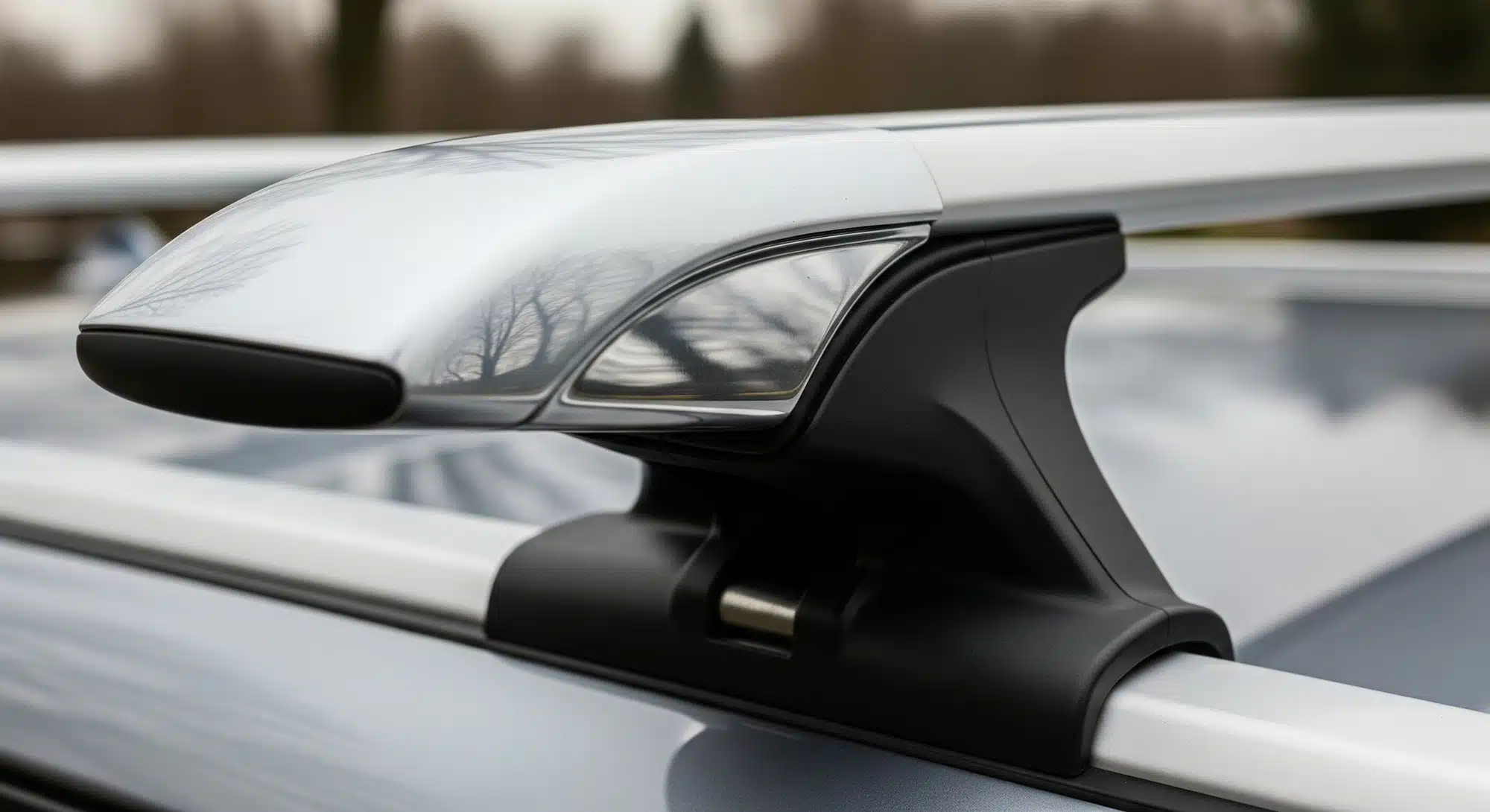
Design plays its part too. Those slightly curved, wing-like crossbars aren’t just for show. They cut through airflow more cleanly, reducing the hum that used to be a giveaway of older setups. It’s the kind of detail you don’t think about until you drive without it.
Choosing a Setup That Actually Fits How You Travel
Not all racks serve the same purpose, and this is where people sometimes get it wrong. It’s tempting to go for something that looks versatile and call it a day. But how you use your car matters more than how the rack looks bolted on.
If weekends revolve around bikes or boards, dedicated mounts make life easier. No awkward strapping, no second-guessing whether things are secure. Just lock, check, and go.
For more unpredictable loads, a flat tray or basket tends to win out. Camping gear, spare tyres, tools that don’t fit neatly into categories. It handles the messy side of travel without complaint.
The better systems lean into this flexibility. Swap an attachment here, remove something there, and the same vehicle adapts without fuss. Work during the week, escape on the weekend. No overhaul required.
Why Getting the Load Right Is Important
Throwing gear on the roof isn’t complicated, but doing it carelessly has consequences. Every car has a limit, and it’s not just about what the rack can hold. The vehicle itself sets the boundary, which is why the RAC recommends understanding your roof rack load specifications before packing.
Weight up high changes how the car behaves. Corners feel different. Braking can shift slightly. Nothing dramatic if you stay within limits, but noticeable if you ignore them.
The basics help. Keep heavier items lower in the stack. Spread the load evenly. Tighten everything properly. It sounds obvious, yet it’s where most issues begin. A well-packed roof feels stable, almost unremarkable. Which is exactly what you want.
Wind Noise, Fuel Use, and the Trade-Off Conversation
There’s always a question hanging over external storage. What’s it going to cost in terms of efficiency? The answer used to be less forgiving. Older racks had a habit of whistling and dragging against the wind in ways you couldn’t ignore. These days, things have improved. Aerodynamic shaping, better materials, and optional wind deflectors all soften the impact.
Still, nothing is completely free. There can be a slight increase in fuel use, especially when carrying bulky loads. For many, it’s a reasonable trade. Space and comfort inside the car tend to win that argument.
And if the rack isn’t needed every day, removing it is often quick enough. A few minutes and the car is back to its usual self.
Keeping Gear Safe From Weather and Unwanted Attention
Lifting your belongings onto the roof solves one problem but raises another. Exposure. Rain, dust, and long hours under the sun can wear things down faster than expected. That’s where enclosed storage options come in. Hard-shell boxes or heavy-duty bags create a barrier, keeping contents clean and dry.
Security matters just as much. Good systems now include locking mechanisms that secure both the rack and whatever is attached to it. It’s not about making theft impossible but about making it difficult enough to deter most attempts. Stops along the way feel easier when you’re not constantly checking over your shoulder.
Making More of the Car You Already Own
There’s a moment when many drivers start thinking about upgrading. A bigger vehicle, more space, and fewer compromises. Sometimes that makes sense. Often, it doesn’t.
Adding overhead storage can stretch the usefulness of a car far beyond what you expected. The sedan that felt too small suddenly handles family trips without drama. The compact SUV manages gear it once struggled with.
It’s an affordable upgrade. No new engine, no change in handling worth noting. Just more room where it counts.

Final Thoughts
Space changes how a journey feels. Not just physically, but mentally. When the cabin is clear and everything has its place, the drive settles into something easier, less cluttered.
Using the roof for storage isn’t a complicated idea, yet it reshapes the experience in a way that sticks. You pack differently, travel more comfortably, and stop thinking so much about what had to be left behind.


