
Fragrance can be a daily ritual, a mood booster, or a signature you are known for. Yet the bottle it comes in is often treated as an afterthought. If you are trying to live more intentionally and buy fewer, better things, packaging matters.
Choosing a glass fragrance bottle is one of those small upgrades that pays off daily. Glass perfume bottles protect delicate formulas, feel premium in the hand, and support a lower-waste lifestyle when reused or recycled.
What makes glass a good container for fragrance
Perfume is a blend of alcohol and aromatic compounds, and some ingredients are sensitive to light and air. The container needs to be stable, non-reactive, and able to hold a tight seal.
Glass is inert, meaning it does not interact with what is inside. That helps preserve the scent profile over time, especially for fragrances with delicate top notes.
Benefits you notice in everyday use
Better protection for fragrance quality
Heat, light, and oxygen can slowly change how a fragrance smells. Glass does not leach chemicals into the liquid, which removes one common source of unwanted change. If you store perfume on an open shelf, darker glass such as amber can help reduce light exposure. Oxidation is another concern — when fragrance is repeatedly exposed to air inside a half-empty bottle, the alcohol and aromatic compounds can degrade faster, shifting the scent over time.
A more sustainable material choice
Glass is widely recyclable, and sturdy bottles can often be repurposed. If you are trying to cut down on single-use packaging, choosing durable materials is a practical step.
A more elevated daily ritual
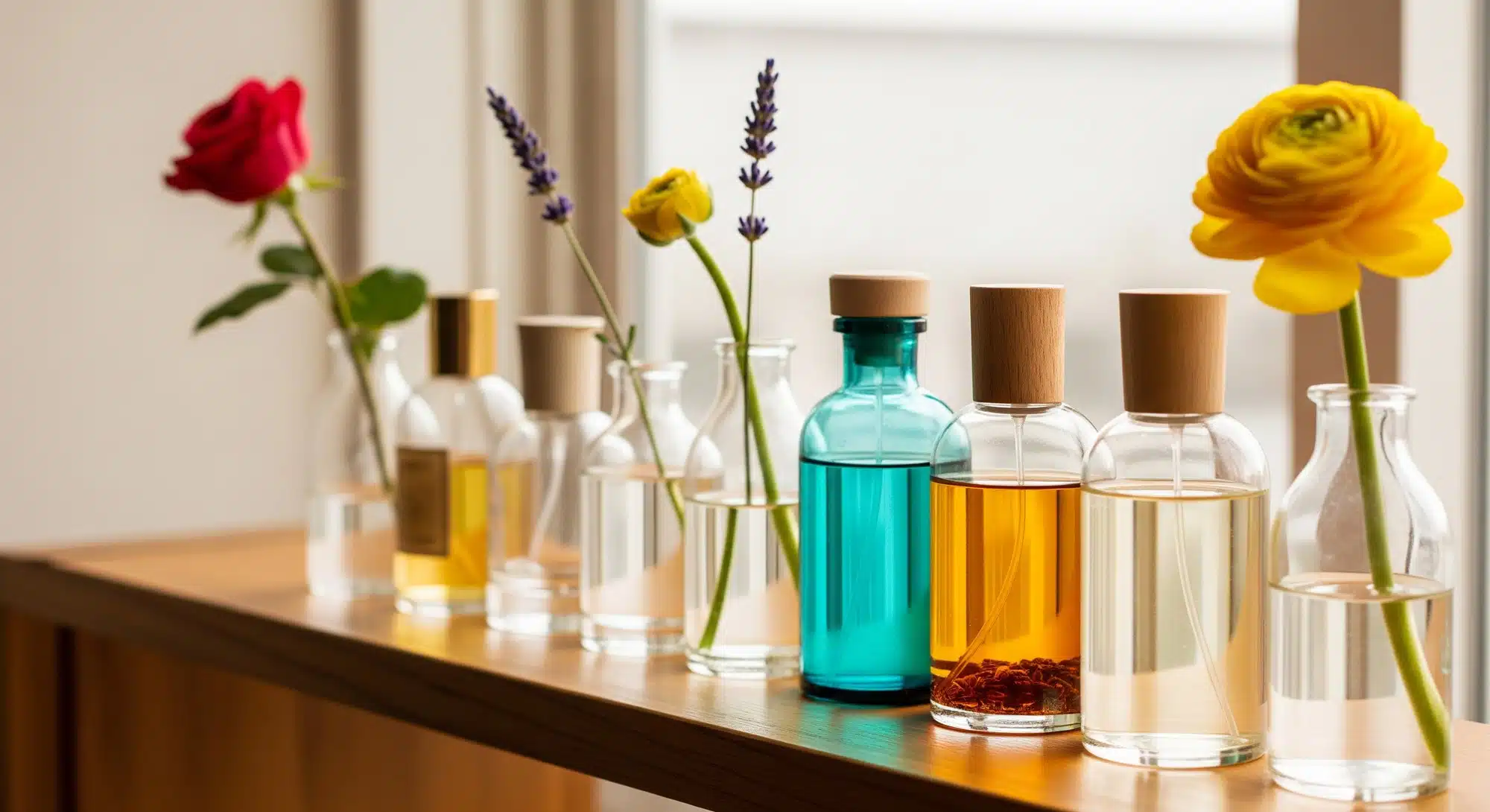
A well-made glass bottle has weight and clarity. Those small sensory details can turn a quick spray into a moment you actually enjoy.
How to choose the right bottle
A few basics help when you buy travel sizes, decants, or refillable options.
- Size: 30 ml for travel, 50 ml for everyday, 100 ml for a signature scent.
- Finish: clear to show color, frosted for a matte look, amber for extra light protection.
- Closure: a secure seal helps reduce evaporation.
A practical detail many people overlook is the sprayer. A good pump delivers a fine mist and reduces drips, which keeps the neck cleaner and helps avoid wasted product.
If you want to explore options beyond typical retail packaging, suppliers such as glass perfume bottles offer multiple sizes and finishes for different needs.
Practical tips for reuse and storage
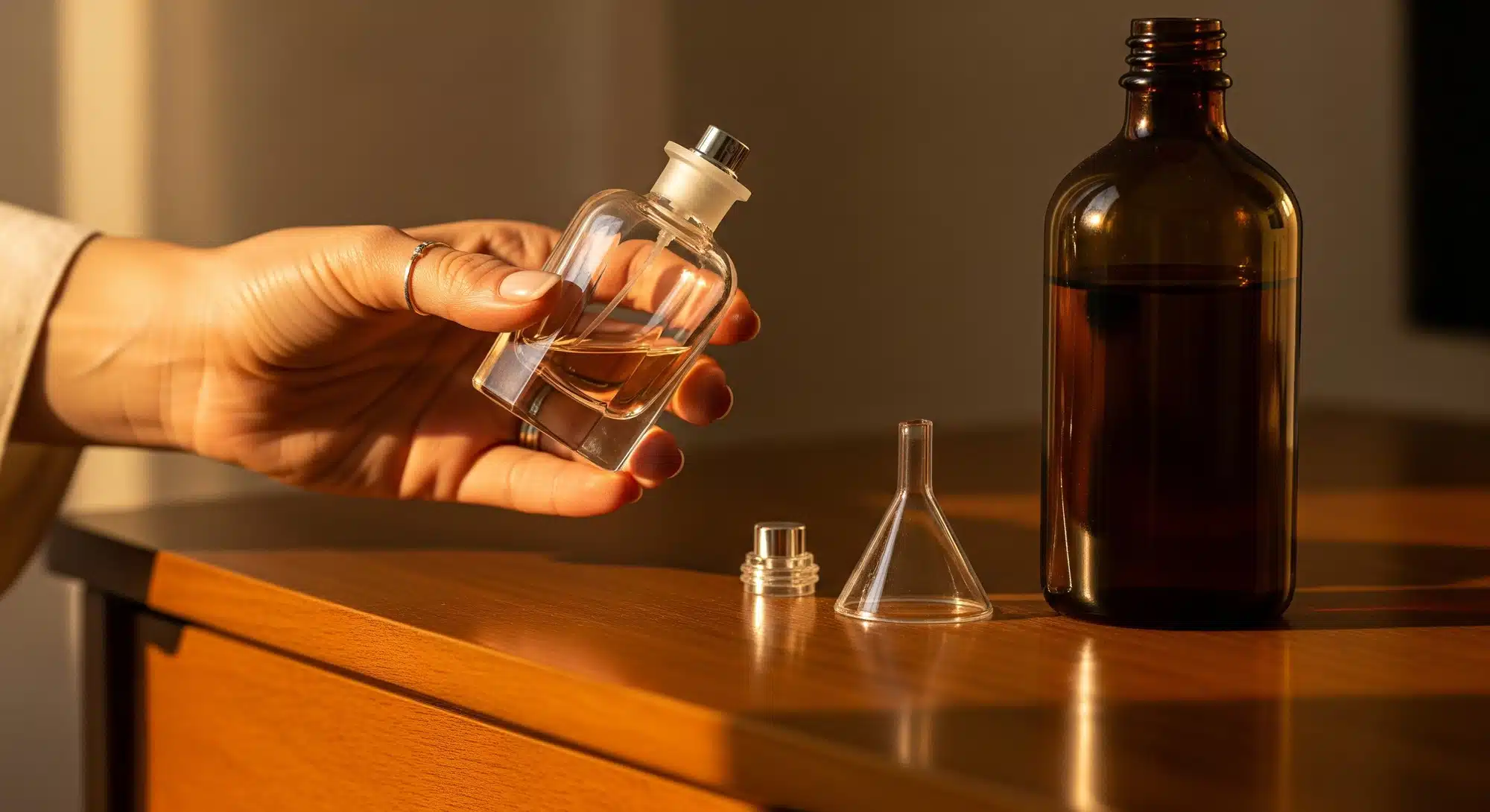
Store perfume away from heat and direct sun. A drawer or cabinet is often better than a windowsill. If the sprayer can be removed safely, a cleaned bottle can work for a small travel refill. When recycling, check local rules because pumps and mixed-material parts may need to be separated. Keep bottles away from radiators and bathrooms that get steamy, as temperature swings can weaken the fragrance and affect how the glass expands and contracts around the seal.
If you like a cohesive, minimal bathroom shelf, glass packaging is not limited to fragrance. Many routines now include serums and oils in glass too, and matching options such as skincare bottles can help keep the look consistent.
Conclusion
Glass will not magically improve a fragrance, but it can help protect what you paid for, reduce waste over time, and make everyday use feel more intentional. A single well-chosen glass bottle, kept and refilled for years, often brings more satisfaction than a drawer full of disposable packaging. If you are building a refill-friendly routine or sourcing packaging for a small brand, compare sizes, finishes, and closures, then choose a bottle that matches how you actually live.


