
In a single day, you can only eat so much food. Therefore, it makes sense to use your calorie budget effectively by choosing foods with the most amount and variety of nutrients to optimize your nutrient consumption.
The eleven most nutrient-dense foods on the planet are listed below.
1. Salmon
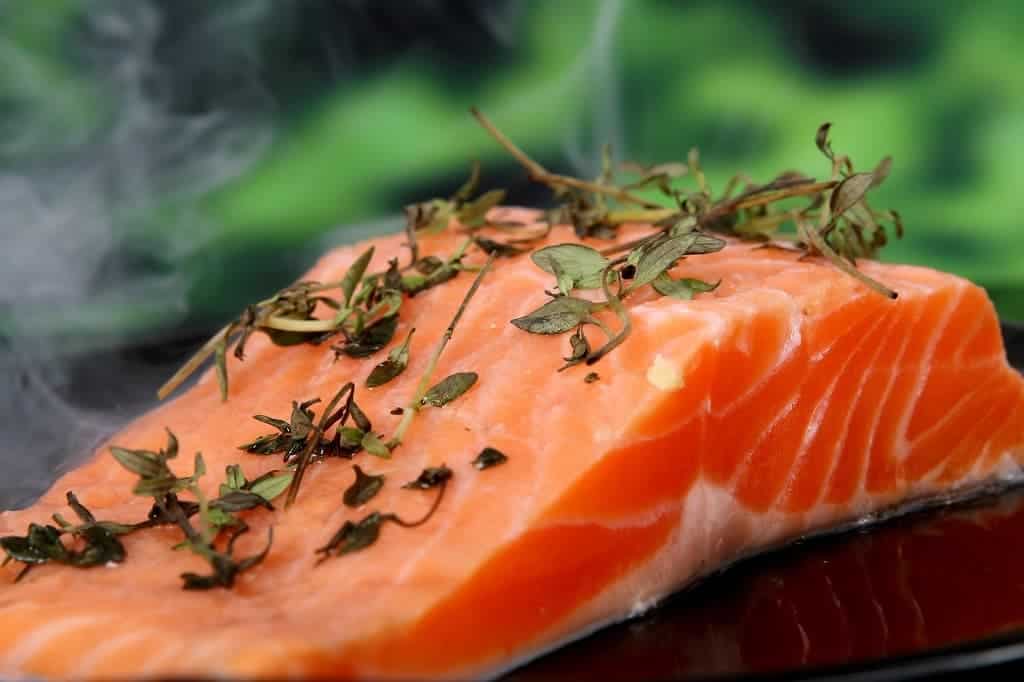
The nutritional value of all fish varies. The greatest sources of omega-3 fatty acids are found in fatty fish, including salmon. Omega-3 fatty acids are vital for your body’s optimal performance. They are linked to improved quality of life and a lower risk of several major diseases.
Although salmon is mainly valued for its healthy fatty acid composition, it also contains many other nutrients. For example, a 100-gram serving of wild Atlantic salmon provides roughly 2.2 grams of omega-3 fatty acids, high-quality animal protein, and many vitamins and minerals, like potassium, magnesium, B vitamins, and selenium.
To obtain all of the omega-3s your body needs, eat fatty fish at least once or twice a week. According to studies, people who frequently consume fatty fish have a lower chance of dementia, heart disease, depression, and many other ailments.
Salmon is delicious and easy to prepare. It also makes you feel full while being relatively low in calories. If possible, go for wild salmon rather than farmed salmon. It’s more nutrient-dense, has a higher omega-6 to omega-3 ratio, and contains fewer pollutants.
2. Kale
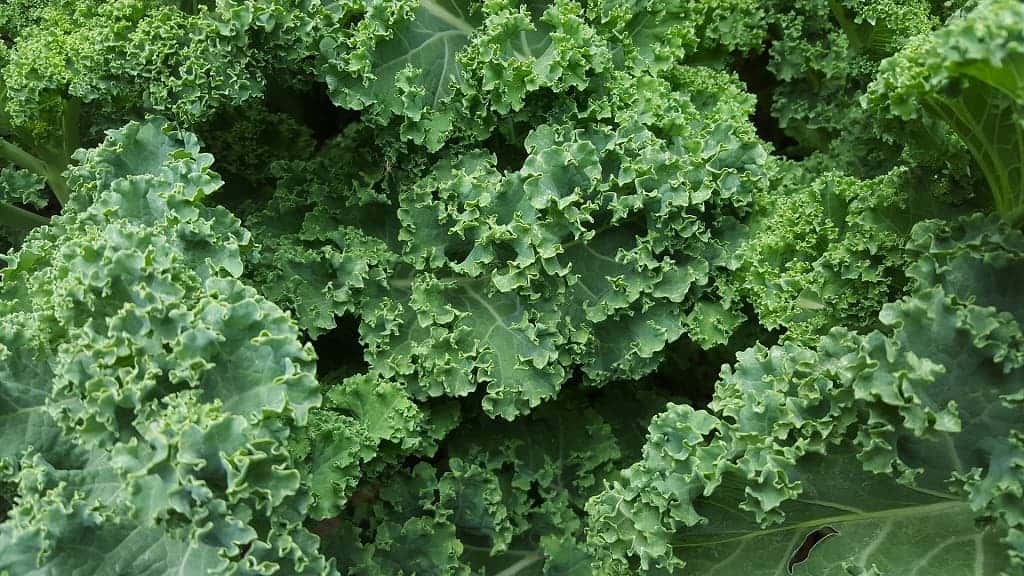
Kale reigns first among the leafy greens. It’s packed with antioxidants, vitamins, minerals, fiber, and several bioactive compounds. It is also low in calories, with only 33 calories per one-cup serving!
Kale is exceptionally high in the following:
- Vitamin C
- Vitamin A
- Vitamin K1
- Vitamin B6
- Magnesium
- Potassium
- Calcium
- Manganese
- Copper
Kale might be even better for you than spinach. Both are high in nutrients, but kale has fewer oxalates, which bind minerals like calcium in the intestine and prevent absorption. Kale and other greens are also high in bioactive chemicals, including indole-3-carbinol and isothiocyanates, demonstrated in test-tube and animal experiments to combat cancer.
3. Seaweed

There are thousands of different plant species in the ocean, some of which are very nutritious. They are usually referred to as “seaweed” as a whole.
Seaweed is used in a variety of foods, including sushi. A seaweed called nori is used as an edible covering in many sushi dishes. Seaweed is often more nutrient-dense than land veggies. Minerals, including iron, calcium, manganese, and magnesium, are particularly abundant. It also contains carotenoids and phycocyanins, among other bioactive chemicals. Some of these compounds are potent anti-inflammatory antioxidants.
However, the high iodine content in seaweed makes it unique. Iodine is a nutrient that your body needs to produce thyroid hormones. Therefore, only eating high-iodine seaweed, such as kelp, a few times each month can provide your body with all the iodine it needs.
With ingredients such as rice and fish, as well as some basic equipment, you can make delicious meals that benefit your health. Lots of people have checked out this recipe for homemade sushi and have started making their own at home. Customizing it to your taste is easy, and you can make it as simple or as elaborate as you like!
If you don’t like the taste of seaweed, you can take it as a supplement. Dried kelp tablets are inexpensive and high in iodine.
4. Garlic
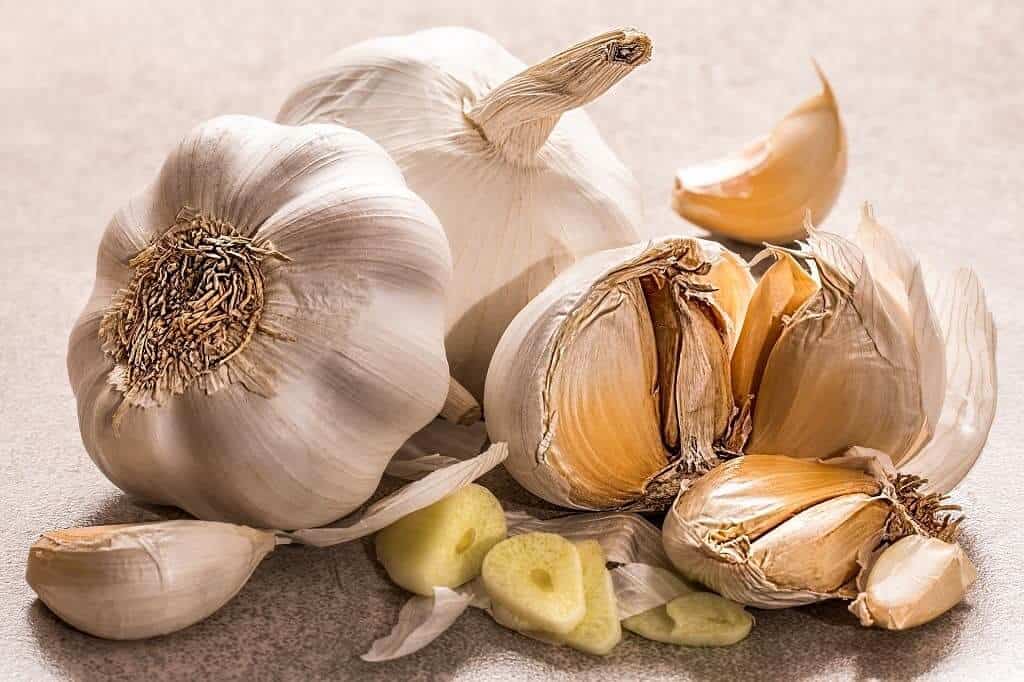
Garlic is incredibly nutritious and can make even the blandest dishes tasty. It’s high in potassium, calcium, copper, selenium, manganese, and vitamins B1, B6, and C. Garlic is also rich in sulfur compounds that are good for the body, such as allicin.
In numerous studies, garlic and allicin have been linked to lower blood pressure, total cholesterol, and LDL (bad) cholesterol. It also helps improve HDL (good) cholesterol, reducing the risk of heart disease in the long run.
In addition, garlic contains several anti-cancer properties. According to some older research, people who consume a lot of garlic have a lower risk of several common malignancies, particularly colon and stomach cancers. Garlic is also antibacterial and antifungal when eaten raw.
5. Shellfish

Many sea creatures are nutrient-dense, but shellfish may be the most so. The most popular types of shellfish are oysters, mussels, clams, and scallops.
Clams are one of the richest sources of vitamin B12, with 100 grams providing more than 16 times the recommended daily intake (RDI). They are also abundant in selenium, iron, potassium, vitamin C, and several B vitamins.
Oysters are also loaded with nutrients. Only 100 grams provide 600% of the RDI for zinc, 200% for copper, and high levels of vitamin B12, vitamin D, and several other minerals. However, even though shellfish is one of the most nutrient-dense meals on the planet, most people rarely eat it.
6. Potatoes

Potatoes are rich in iron, magnesium, potassium, manganese, and copper. They also have the majority of B vitamins and vitamin C. They have a small amount of practically every nutrient you require. There have been reports of humans living solely on potatoes for extended periods.
Potatoes are one of the world’s most filling foods. When researchers evaluated the satiety values of several foods, they discovered that cooked potatoes surpassed all others. If you let potatoes cool after cooking, it forms resistant starch, a fiber-like substance with numerous health benefits.
7. Liver

For millions of years, humans and our distant ancestors have eaten animals. The modern Western diet prioritizes muscle meat over organ meats. However, muscle meat has a low nutritional value compared to organ meat. The liver is the most nutrient-dense of all the organs.
The liver is an impressive organ that performs hundreds of metabolic activities. It has several roles, one of which is to store essential nutrients for the rest of your body.
A 100-gram (3.5-ounce) serving of beef liver provides the following nutrients:
- Vitamin A: 634% of the DV
- Vitamin B2: 201% of the DV
- Vitamin B5, vitamin B6, folate, and niacin: over 50% of the DV
- Vitamin B12: 1,176% of the DV
- Copper: 714% of the DV
- Iron, phosphorus, selenium, and zinc: over 30% of the DV
- High-quality animal protein: 29 grams
Consume liver once a week to ensure that you get enough of these essential nutrients.
8. Sardines

Sardines are tiny, oily fish that can be consumed whole. It’s hardly surprising that whole sardines are nutrient-dense, given that organs are often the most nutritious parts of an animal. They have a small amount of practically every vitamin your body needs. They are also rich in omega-3 fatty acids, like other fatty fish.
9. Blueberries
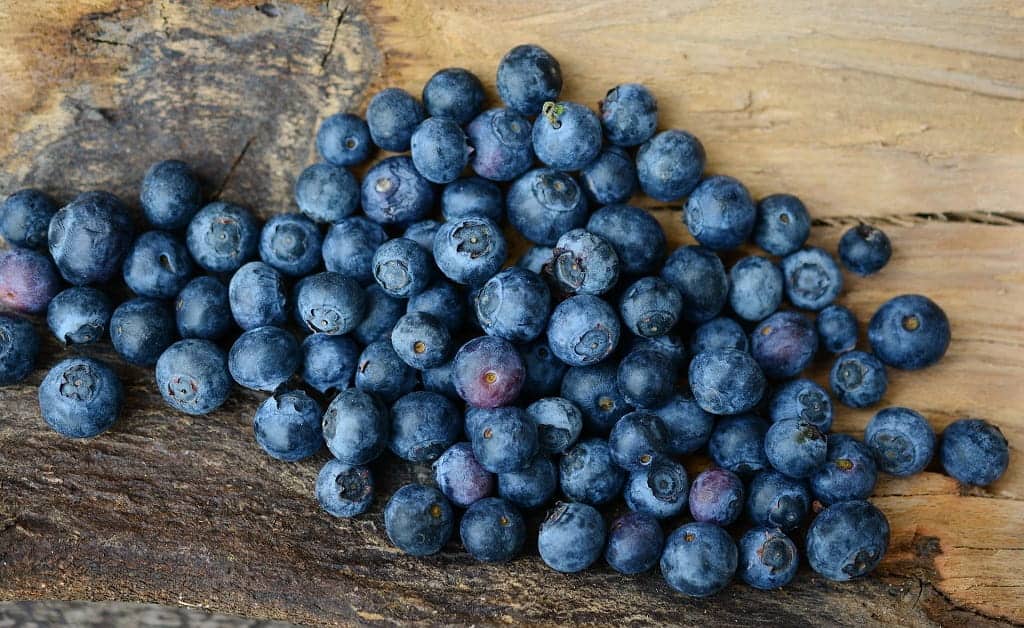
Blueberries are tiny but packed with nutrients. Although they don’t have as many vitamins and minerals as veggies, they are loaded with antioxidants. They are exceptionally high in potent antioxidant substances like anthocyanins and other plant compounds, some of which can bridge the blood-brain barrier and protect your brain.
Many studies have examined the health benefits of blueberries in humans. For example, according to one study, blueberries improved memory in older adults. Another study found that adding blueberries to the diet reduced blood pressure and oxidized LDL (bad) cholesterol levels in obese men and women with metabolic syndrome. This finding is consistent with research that showed blueberries boost blood antioxidant levels. Blueberries have also been shown to help fight cancer in several test-tube and animal studies.
10. Egg yolks

Because of their high cholesterol level, egg yolks have been unfairly judged. However, studies indicate that dietary cholesterol isn’t something to be concerned about in most cases. The LDL cholesterol level in your blood does not increase if you eat moderate amounts of cholesterol.
Egg yolks are one of the world’s most nutrient-dense foods. Whole eggs are sometimes referred to as “nature’s multivitamin” because of their high nutritional value. Vitamins, minerals, and other potent nutrients, such as choline, are abundant in egg yolks.
They are abundant in antioxidants like zeaxanthin and lutein, which help protect your eyes and lower your risk of diseases like macular degeneration and cataracts. Eggs are also a good source of protein and healthy fats. In addition, several studies have shown that they can aid in weight loss.
They are also inexpensive, delicious, and simple to cook. Buy omega-3-enriched eggs or eggs from pasture-raised hens, if possible. These eggs are more nutrient-dense than regular supermarket eggs.
11. Cocoa

Dark chocolate, which has a high cocoa content, is one of the healthiest foods you can consume. It’s packed with iron, fiber, magnesium, manganese, and copper. However, its most significant benefit is its wide range of antioxidants. Indeed, one study found that cocoa and dark chocolate had more antioxidants than any other food examined, including acai berries and blueberries.
Multiple human studies have found that dark chocolate improves cognitive function, improves blood flow, lowers blood pressure, and lowers oxidized LDL cholesterol. One study demonstrated that people who ate chocolate more than five times a week had a 57% reduced heart disease risk. Since heart disease is a leading cause of death worldwide, this discovery could affect millions of individuals.
When buying dark chocolate, make sure it contains at least 70% cocoa. The best chocolate has a cocoa content of at least 85%. One of the most excellent ways to get more antioxidants in your diet is to eat a small piece of quality dark chocolate every day.
The Takeaway
The most apparent technique for getting a lot of nutrients without a lot of calories is to take dietary supplements. However, supplements are not a substitute for a balanced diet. Instead, filling your meals with nutrient-dense foods is a better method to receive all the nutrients you need.
Nutrient-dense foods have a high nutritional content compared to their calorie content. For example, cocoa, whole vegetables, fruits, eggs, liver, and seafood are nutritious foods. To gain the benefits of the foods listed above, begin including them in your diet today.


