
In 2001, Microsoft made a bold entry into the gaming arena with the launch of the XBOX, heralding a new era in home entertainment. Despite initial skepticism from industry veterans, the XBOX swiftly carved out a place for itself, challenging established titans and reshaping the gaming landscape.
The XBOX’s journey is a riveting narrative of relentless innovation and transformation aimed at achieving gaming supremacy. From the hefty original XBOX to the streamlined and powerful Series X and Series S, Microsoft has continually pushed the boundaries with cutting-edge hardware and a robust gaming ecosystem.
Pioneering online features, digital downloads, and subscription services like XBOX Live and Game Pass, Microsoft has fundamentally transformed game distribution and catalyzed the formation of a global gaming community.
Every generation of XBOX consoles has not only delivered stunning graphical advancements but also embraced digital and cloud gaming, cross-platform play, and backward compatibility, underscoring Microsoft’s unwavering dedication to expanding the horizons of video gaming.
For a comparable deep dive into Sony’s consoles, check out our complete guide to PlayStation consoles.
The First Generation: XBOX

On November 15, 2001, Microsoft entered the console gaming market with the original XBOX, challenging industry giants like Sony’s PlayStation 2 and Nintendo’s GameCube. Despite skepticism, the XBOX set new standards with its built-in hard drive, high-definition graphics, and impressive technical specifications.
The XBOX boasted a custom 733 MHz Intel Pentium III CPU, a 233 MHz Nvidia GeForce 3-based GPU, 64 MB of RAM, and an 8 or 10GB internal hard drive. This configuration offered superior performance compared to the PlayStation 2, doubling its RAM and providing faster processing capabilities.
Key innovations included the built-in hard drive for saving games, eliminating the need for memory cards, with an optional 8 MB memory card for portability. The XBOX excelled in graphics, delivering exceptional detail and speed. In 2002, Microsoft launched XBOX Live, revolutionizing multiplayer gaming by enabling online connectivity. The XBOX was also the first console to support broadband internet via an Ethernet connection and could function as a DVD player with an additional remote control.
The XBOX’s legacy is secured by iconic games like Halo: Combat Evolved, Halo 2, Project Gotham Racing, and Fable. These titles not only showcased the console’s technical prowess but also built a loyal fanbase, establishing franchises that profoundly influenced the gaming industry for years to come.
The Second Generation: XBOX 360

Launched in November 2005, the XBOX 360 marked a major advancement for Microsoft, building significantly on its predecessor. The console was offered in various models, including the budget-friendly Core, family-oriented Arcade, and high-end Elite with a 120GB hard drive. Later iterations, like the streamlined XBOX 360 S and refined 360 E, further improved design and performance.
Technologically, the XBOX 360 was impressive, featuring a custom triple-core IBM PowerPC CPU and a custom ATI GPU capable of advanced shaders and high-resolution graphics. Storage options started at 120GB and expanded to 320GB, alongside 512MB of GDDR3 RAM, which supported detailed game environments and immersive gameplay.
XBOX Live integration transformed the console into a social hub, offering seamless online multiplayer, a digital game marketplace, and features like party chat and a Gamerscore system, enhancing the online gaming community.
The XBOX Live Vision camera, released in September 2006, was a notable accessory that brought video chat, custom gamer pictures, and in-game video calls to the XBOX 360. A handful of titles, including TotemBall and You’re in the Movies, even experimented with full-body motion controls using the camera — an early glimpse of the motion-gaming direction Microsoft would later fully embrace with Kinect.
Iconic titles such as Halo 3, Gears of War, and Forza Motorsport solidified the XBOX 360’s exclusive game lineup, while popular franchises like The Elder Scrolls and Call of Duty: Modern Warfare highlighted its broad appeal. With its diverse game library and strong online capabilities, the XBOX 360 defined a generation and left a lasting legacy in the gaming world.
| Model | Initial Release Date | Storage Options | Notable Changes |
|---|---|---|---|
| XBOX 360 Core | November 2005 | No internal HDD; External Memory Units (MU) supported | Wired controller included; No HDMI initially; 3 USB ports |
| XBOX 360 Pro | November 2005 | Removable 20GB or 60GB external HDD; MU supported | HDMI added in later versions; Wireless controller included |
| XBOX 360 Elite | April 2007 | Removable 120GB or 250GB external HDD; MU supported | Matte black finish; HDMI included |
| XBOX 360 Arcade | October 2007 | 256MB or 512MB internal flash; Later models had built-in 4GB HDD; Optional HDD; Early versions supported MUs | Wireless controller included; included arcade games |
| XBOX 360 S (Slim) | June 2010 | 4GB internal flash or 250GB internal HDD; No support for MUs | Redesigned chassis to reduce errors; Integrated WiFi; Kinect port; Touch-sensitive buttons; 5 USB ports |
| XBOX 360 E | June 2013 | 4GB or 500GB internal HDD; No support for MUs | Streamlined design similar to XBOX One; Reduced noise; Simplified physical buttons; 4 USB ports; No optical audio output |

The Third Generation: XBOX One
Launched in November 2013, the XBOX One aimed to revolutionize living room entertainment as an “all-in-one” system. Initially criticized for its focus on non-gaming features and controversial DRM policies (later reversed), the console evolved significantly over its lifespan with two major hardware upgrades: the XBOX One S in August 2016 and the XBOX One X in November 2017.
The Original XBOX One

The original XBOX One featured an 8-core AMD Jaguar CPU at 1.75GHz, an AMD GCN GPU, 8GB of DDR3 RAM, a 500GB hard drive, and a Blu-ray drive. This setup aimed to blend gaming with multimedia capabilities, integrating HDMI in/out ports for live TV signal pass-through.
The XBOX One S
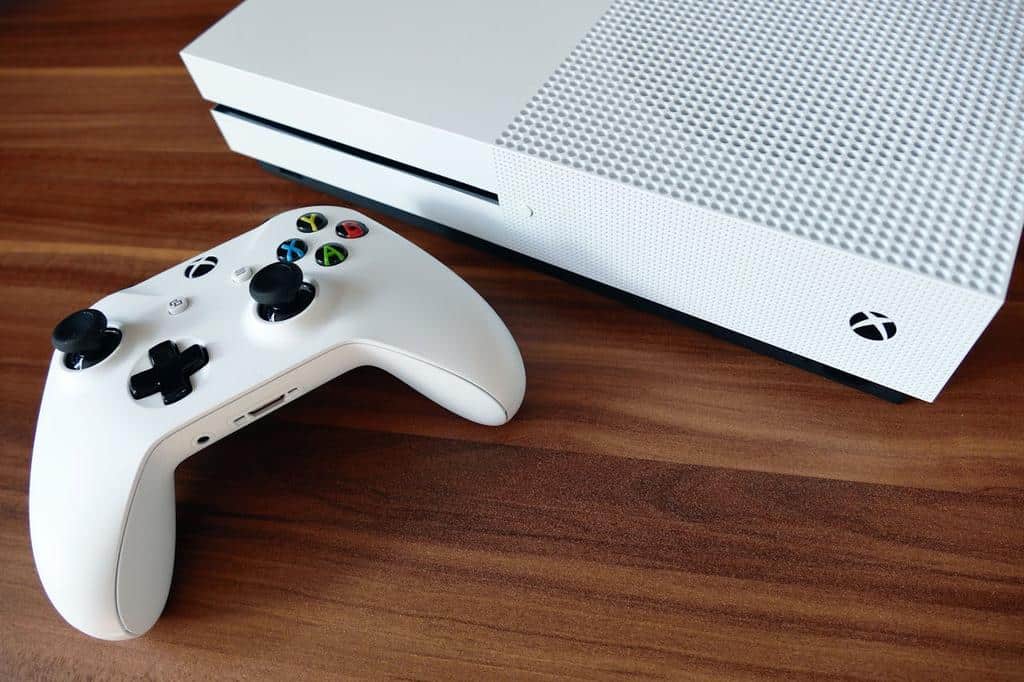
The XBOX One S improved upon the original by offering HDR support, a built-in 4K Blu-ray player, and up to a 2TB hard drive. It retained the same CPU but included a slightly upgraded GPU, enhancing the overall multimedia experience.
The XBOX One X

The XBOX One X represented a significant leap, touting an 8-core custom AMD CPU at 2.3GHz, an AMD Polaris-based GPU with 40 compute units at 1172MHz, and 12GB of GDDR5 RAM. These specs allowed for true 4K gaming and marked it as the most powerful console at the time.
Throughout its life, the XBOX One series embraced digital entertainment trends like 4K and HDR while focusing on gaming advancements. A notable feature was backward compatibility, enabling the play of XBOX 360 and original XBOX titles and greatly expanding its game library.
Key exclusives like Halo 5: Guardians, Gears of War 4, Forza Horizon 4, and Ori and the Blind Forest showcased the console’s capabilities. The introduction of XBOX Game Pass in June 2017 further revolutionized access to a vast library of games for a monthly fee, including day-one releases, positioning XBOX as a leader in the future of game distribution.
The Fourth Generation: XBOX Series X and Series S

In November 2020, Microsoft introduced the XBOX Series X and Series S, marking a new milestone in gaming technology. The Series X is the powerhouse designed for top-tier performance, while the Series S offers a more affordable, digital-only option, making next-gen gaming accessible to a wider audience.
The Series X features a distinctive tower-like design, emphasizing its power with a custom 8-core AMD Zen 2 CPU at 3.8 GHz, RDNA 2 GPU delivering 12 TFLOPS, 16GB of GDDR6 RAM, and a 1TB NVMe SSD, enabling 4K gaming at up to 120fps.
In contrast, the Series S is compact and minimalist, equipped with a similar but scaled-down AMD Zen 2 CPU, a 4 TFLOPS RDNA 2 GPU, 10GB of GDDR6 RAM, and a 512GB NVMe SSD, targeting 1440p resolution.
The pricing strategy underscores Microsoft’s goal to cater to different market segments, with the premium Series X for hardcore gamers and the budget-friendly Series S for casual or new players.
Both consoles support backward compatibility, enhancing their value by allowing access to a vast library of older games. Microsoft’s xCloud service also enables cloud gaming, letting players stream games on various devices, adding flexibility to the gaming experience.
Both the XBOX Series X and Series S offer the option for expanded internal storage through specialized expansion cards, allowing gamers to easily increase their storage capacity by another 1TB. These expansion cards are compatible with Series S/X optimized games.
It is also possible to use external storage devices connected via USB, but typically you cannot play Series S/X optimized games directly from these devices. XBOX One games that are not Series S/X optimized can be played directly from the USB storage device. A USB device can also be used to temporarily transfer game files (including Series-optimized games) to free up internal storage space and can later be transferred back to internal storage.
Launch titles like Assassin’s Creed Valhalla, Gears 5, and Forza Horizon 4, along with optimized future releases such as Halo Infinite, showcase the consoles’ capabilities and broaden the XBOX ecosystem.
Special Edition XBOX Series S/X Releases
Microsoft has continued to evolve the XBOX Series line with a range of special edition consoles aimed at diverse gaming preferences. Announced during the 2024 XBOX Games Showcase, the first wave of new entries included an all-digital edition of the XBOX Series X and a 2TB special edition model. In June 2026, Microsoft added a 25th anniversary edition to the lineup, celebrating a quarter-century of XBOX.
All-Digital XBOX Series X:

- Design and Features: This new all-digital version mirrors the aesthetics of the XBOX Series S with a sleek “Robot White” color. It foregoes the traditional disc drive in favor of a fully digital approach, providing gamers with a seamless, clutter-free gaming experience.
- Storage: It maintains the standard 1TB SSD storage, ensuring ample space for digital downloads and game installations.
- Price: Priced at $449.99/€499.99/£429.99, this model aims to cater to the growing digital market, offering high-end performance at a competitive price point.
XBOX Series X – 2TB Galaxy Black Special Edition:
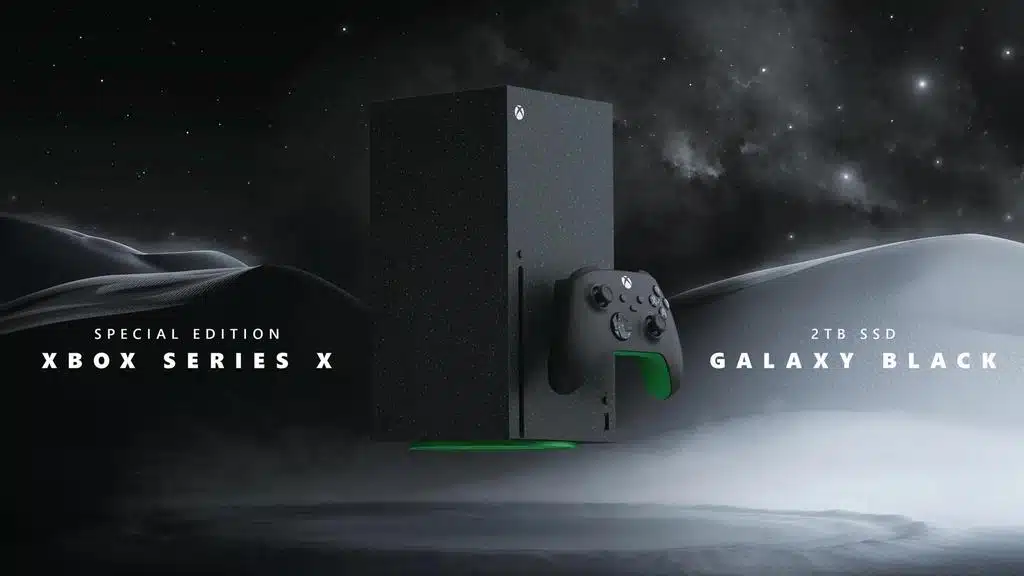
- Design and Features: This limited edition console comes with a distinctive Galaxy Black finish, featuring a green celestial effect inspired by constellations, resonating with the spirit of exploration and the vast universe of gaming.
- Storage: Doubling the storage capacity of its predecessors, this model provides a whopping 2TB SSD, perfect for gamers who require extensive storage for their game library and digital content.
- Price: Available at $599.99/€649.99/£549.99, it caters to core gamers and collectors who value both aesthetics and additional storage. With the latest XBOX deals, it’s the perfect time to watch for potential discounts on this model.
Currently, the 2TB Galaxy Black Special Edition is exclusively available on the Microsoft website.
Additionally, Microsoft has expanded the XBOX Series S line by introducing a 1TB version in “Robot White,” priced at $349.99/€349.99/£299.99, alongside the existing Carbon Black model.

XBOX Series X25 – 25th Anniversary Limited Edition:
In June 2026, during the XBOX Games Showcase, Microsoft unveiled the XBOX Series X25 Limited Edition, a special anniversary console celebrating 25 years of the XBOX brand. The console features a striking translucent OG Green casing that pays homage to the original XBOX launched in November 2001, while housing the same powerful Series X hardware inside.
- Design and Features: The translucent green shell is the first of its kind on a Series X console, with the iconic “X” lighting up green on startup. A special XBOX 25th Anniversary logo adorns the front, and subtle design tributes throughout reference classic XBOX hardware. Unlike the all-digital edition, the X25 retains the standard disc drive, making it a fully featured console for collectors.
- Storage: It comes with a 1TB SSD, matching the standard XBOX Series X storage capacity.
- Price and Availability: The XBOX Series X25 will launch as a limited collection in select markets in November 2026, coinciding with the 25th anniversary on November 15. A matching XBOX Wireless Controller X25 Special Edition is included in the bundle, featuring the same translucent OG Green design with classic ABXY button colors and bumpers that reference the original “Duke” controller’s black and white buttons. The controller will also be sold separately. Pricing is expected closer to launch.
XBOX Series X vs. Series S: Which Should You Choose?
If you are shopping for a current-generation XBOX, the choice comes down to two very different consoles built on the same underlying architecture. Both play the same games and support Game Pass, but the experience, and the price, differ considerably. Here is how to decide.
Performance and Resolution
The Series X targets true 4K gaming at up to 120 frames per second, powered by a 12-teraflop RDNA 2 GPU and 16GB of GDDR6 RAM. The Series S is designed for 1440p at up to 120fps, using a 4-teraflop GPU with 10GB of RAM. In practice, the Series X delivers noticeably sharper visuals on large 4K screens and handles demanding titles with ease, while the Series S looks excellent on 1080p and 1440p monitors and TVs, especially in games that are well-optimized for the hardware.
Storage and Disc Drive
The standard Series X includes a 1TB SSD and a 4K Blu-ray disc drive, letting you play physical game discs, used games, and movies. The Series S is an all-digital console with a 512GB SSD and no disc drive, meaning all games must be downloaded. A 1TB version of the Series S is also available in “Robot White” for $349.99, offering more storage without stepping up to the Series X price. For those who want Series X performance but never touch discs, the all-digital Series X at $449.99 strips out the drive while keeping everything else.
Price
The Series S starts at $299.99, making it the most affordable path into current-gen gaming. The standard Series X is $499.99. The price gap is significant, $200, which can cover a year or more of Game Pass Ultimate. If budget is your primary concern, the Series S is hard to beat, but you trade away resolution, storage space, and the flexibility of physical media.
Disadvantages of the Series S
While the Series S is an impressive value, it does come with trade-offs. Its 512GB SSD fills up quickly, a single game like Call of Duty can consume over 200GB. The official XBOX Storage Expansion Card solves this, but at a cost that narrows the price gap with the Series X. The 4-teraflop GPU targets 1440p rather than 4K, and some titles run at lower resolutions or frame rates on Series S compared to Series X. It also lacks a disc drive entirely, so used games and physical collections are off the table. That said, no game is exclusive to the Series X, every title that runs on Series X also runs on Series S, just at reduced fidelity.
Is It Worth Upgrading from Series S to Series X?
If you already own a Series S, the decision to upgrade depends on what is holding you back. If storage is the main frustration, a 1TB expansion card is cheaper than a new console. If you crave sharper 4K visuals, higher frame rates, or want to play your old physical discs, the Series X delivers. There is also a small debate among enthusiasts about whether the older XBOX One X, with its 6-teraflop GPU and 12GB of RAM, actually outperforms the Series S in some backwards-compatible titles. However, the Series S plays all current-generation games, loads far faster thanks to its NVMe SSD, and supports features like ray tracing and 120fps that the One X cannot match. For most people, the Series S is the more capable machine where it counts.
Which One Is Right for You?

- Choose the Series X if: You own a 4K TV, want the best possible graphics and frame rates, have a collection of physical XBOX discs, or plan to use your console as a 4K Blu-ray player.
- Choose the Series S if: You play on a 1080p or 1440p screen, prefer the convenience of digital downloads, want to save money upfront, or need a compact console that fits neatly into a smaller entertainment setup.
- Choose the All-Digital Series X if: You want top-tier Series X performance, already subscribe to Game Pass, and have no need for a disc drive.
Comparison Table: At a Glance

| Model | Release Date | Key Features | Technical Specs (CPU, GPU, RAM, Storage) | Launch Price |
|---|---|---|---|---|
| XBOX | November 15, 2001 | Built-in Hard Drive, XBOX Live | 733 MHz Intel Pentium III, Nvidia GeForce 3-based GPU, 64 MB RAM, 8/10GB HDD | $299 |
| XBOX 360 | November 22, 2005 | XBOX Live, Wireless Controller | 3.2 GHz Triple-core IBM PowerPC, ATI Xenos GPU, 512 MB RAM, 20GB to 320GB HDD | $399 |
| XBOX One | November 22, 2013 | All-in-one Entertainment, Kinect 2.0 | 1.75 GHz 8-core AMD Jaguar, 853 MHz AMD Radeon HD 7000 series, 8GB DDR3, 500GB HDD | $499 |
| XBOX One S | August 2, 2016 | 4K Video Streaming, HDR | 1.75 GHz 8-core AMD Jaguar, 914 MHz AMD Radeon, 8GB DDR3, Up to 2TB HDD | $299 |
| XBOX One X | November 7, 2017 | 4K Gaming, Enhanced Performance | 2.3 GHz 8-core AMD Jaguar, 1.172 GHz AMD GCN 4 (Polaris), 12GB GDDR5, 1TB HDD | $499 |
| XBOX Series S | November 10, 2020 | Digital-Only, Compact Design | 3.6 GHz 8-core AMD Zen 2, 4 TFLOPs RDNA 2 GPU, 10GB GDDR6, 512GB SSD | $299 |
| XBOX Series X | November 10, 2020 | 4K at 120FPS, Backward Compatibility | 3.8 GHz 8-core AMD Zen 2, 12 TFLOPs RDNA 2 GPU, 16GB GDDR6, 1TB SSD | $499 |
XBOX Live and Game Pass

Launched in 2002, XBOX Live revolutionized online gaming with its robust multiplayer platform, digital marketplace, and features such as party chat and achievements. Leveraging this success, Microsoft introduced XBOX Game Pass in 2017, a subscription service granting access to a vast library of games, including day-one releases from Microsoft.
Game Pass offers several subscription models tailored to different needs. XBOX Game Pass for Console provides a rotating library of games for XBOX players, while Game Pass for PC offers a similar service tailored for PC gamers. Game Pass Ultimate combines both, allowing subscribers to access games on both XBOX and PC.
These services connect players globally and continually evolve the game catalog, reinforcing XBOX’s reputation for innovation, value, and a comprehensive gaming ecosystem.
The Rise and Fall of The Kinect
Launched in 2010 for the XBOX 360, the Kinect was an innovative motion-sensing accessory that allowed users to control games and multimedia through gestures and voice commands. The first iteration used advanced camera technology and depth sensors to offer a controller-free gaming experience.

In 2013, the Kinect 2.0 was released alongside the XBOX One, featuring improved accuracy, a wider field of view, and enhanced voice recognition. Despite these advancements, the Kinect’s appeal waned due to limited game support and consumer interest.
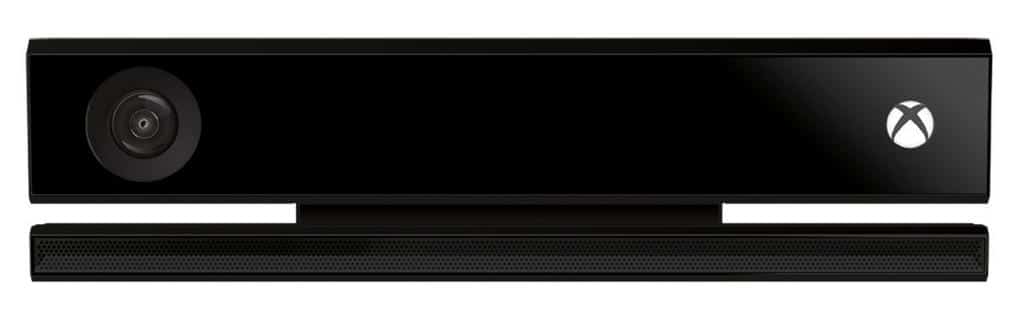
By 2017, with the introduction of the XBOX One S and XBOX One X, Microsoft had shifted focus, discontinuing the Kinect sensor. Production of the Kinect adapter necessary for use with these newer consoles ceased in 2018, marking the official end of the Kinect era. Its legacy, however, continues to influence current motion-sensing and voice-recognition technologies across various industries.
XBOX Cloud Gaming and Remote Play
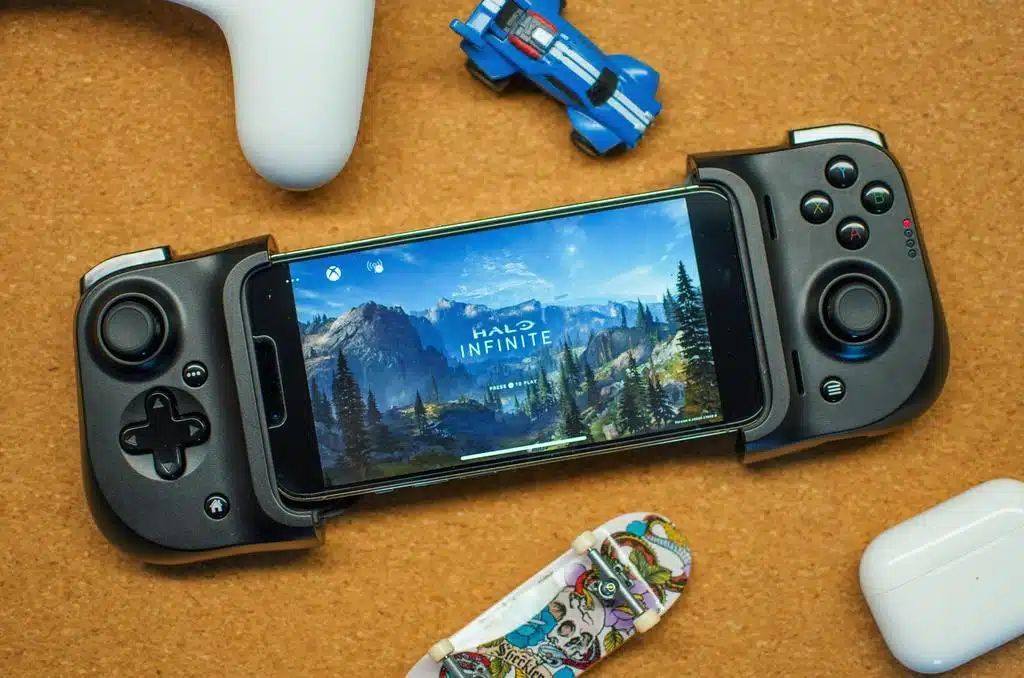
XBOX Cloud Gaming, part of XBOX Game Pass Ultimate, allows players to stream and play a wide selection of games directly on various devices, including smartphones, tablets, PCs, and supported smart TVs, without needing to install the game locally. This cloud-based service offers the flexibility to enjoy gaming on the go, leveraging Microsoft’s extensive cloud infrastructure to deliver gaming experiences seamlessly.
In addition, XBOX Remote Play enables users to stream games from their XBOX console to another device, such as a PC, Android device, or smart TV, with the XBOX app. Unlike cloud gaming, this feature requires the game to be installed on the console, which must be turned on during play. Together, these services enhance the versatility and accessibility of the XBOX ecosystem, allowing gamers to enjoy their favorite titles wherever they are.
For game enthusiasts, creating a personalized gaming space is crucial. You can design custom neon signs that perfectly match the style of your favorite XBOX console. For example, you can incorporate the iconic black angular lines of the XBOX Series X, the simple white silhouette of the XBOX Series S, or the retro logo of the classic original XBOX. You can also add a unique game ID or a personalized slogan like “Game On.”
XBOX Backward Compatibility
XBOX has a strong commitment to backward compatibility, allowing players to enjoy games from previous generations on newer consoles. Starting with select original XBOX and XBOX 360 titles on the XBOX One, the backward compatibility program has expanded over time, incorporating many earlier games through downloadable versions and via XBOX Cloud Gaming.
The controller designs have evolved with each console generation, but Microsoft has ensured cross-compatibility. The XBOX One controller, introduced in 2013, set a new standard, and the latest Series X/S controllers, released in 2020, can be used with the XBOX One consoles as well.
Notably, some games optimized specifically for the Series X and Series S can also be played on XBOX One consoles through XBOX Cloud Gaming. This feature ensures that players on older hardware still benefit from enhanced game versions, maintaining a unified and inclusive gaming community across different XBOX generations.
Future of XBOX: Digital-Only Console and Studio Acquisitions
Microsoft has reshaped the gaming industry through aggressive studio acquisitions. The $7.5 billion purchase of ZeniMax Media in 2021 brought Bethesda, id Software, Arkane, and MachineGames under the XBOX banner. This was followed by the landmark $75 billion acquisition of Activision Blizzard in 2023, adding Call of Duty, World of Warcraft, and Candy Crush to Microsoft’s portfolio, the largest deal in gaming history.
However, the era of expansion has given way to consolidation and cost-cutting. In July 2025, Microsoft Gaming restructured, with layoffs at Rare, Compulsion Games, Undead Labs, and Turn 10 Studios, the latter losing nearly half its workforce. A sweeping “XBOX Reset” followed in July 2026 under CEO Asha Sharma: approximately 3,200 roles were cut. Double Fine and Compulsion Games negotiated management buyouts to go independent, taking their intellectual property with them. Undead Labs and Ninja Theory were sold to undisclosed buyers, while Arkane Studios’ future remains under review.
Despite the cuts, XBOX still commands one of the industry’s most formidable first-party lineups, spanning Activision Blizzard, Bethesda, Halo Studios, The Coalition, Playground Games, Obsidian, inXile, Mojang, and more. The focus has shifted from acquisition to execution: delivering on the portfolio already owned.
On the hardware front, the trajectory toward an all-digital future is unmistakable. Microsoft has shuttered departments dedicated to bringing games to physical retail, and major releases like The Outer Worlds 2 now ship in boxes containing only a download code. Phil Spencer has acknowledged that XBOX is “following what the customers are doing”, and the overwhelming majority now buy digitally. Between the disc-free Series S, the all-digital Series X, Game Pass subscriptions, cloud streaming, and XBOX Mode on PC, the disc is quietly fading from the gaming landscape. In a symbolic move, Microsoft updated the brand to all-caps “XBOX” in April 2026, signaling a unified identity across console, PC, and cloud.
Unpacking the Rumors: Microsoft’s Potential Plans for XBOX
Project Helix: The Next XBOX Generation (Expected 2027-2028)

Microsoft’s next-generation XBOX, officially codenamed “Project Helix,” was revealed at the Game Developers Conference (GDC) in March 2026. Designed to bridge the gap between console and PC gaming, Project Helix will be a full Windows PC in a console form factor, playing both XBOX console games and PC titles, with backward compatibility spanning four generations of XBOX. Powered by a custom AMD system-on-chip (SoC) co-designed for the next generation of DirectX and FSR, it promises an “order of magnitude leap” in ray tracing performance. During the announcement, XBOX’s Jason Ronald confirmed that Microsoft plans to ship alpha versions of the hardware to developers beginning in 2027, with a consumer release expected to follow no earlier than 2028. The console represents a fundamental shift in Microsoft’s hardware philosophy, moving beyond the traditional console model toward a unified gaming platform that spans TV, PC, and handheld devices. Pricing remains unconfirmed, though some industry speculation has floated a figure around $1,200, similar to high-end gaming PCs. Microsoft has not commented on cost, and nothing is certain this far from launch.
The Improved Sebile Controller

Adding to the excitement is the rumored introduction of the “Sebile” controller. This newly designed gamepad is expected to incorporate advanced features such as adaptive triggers, haptic feedback, and possibly modular components for personalization, akin to innovations seen in competing platforms.
Handheld XBOX and Cloud Gaming Solutions
Microsoft’s ambitions for a handheld XBOX became reality in October 2025 with the launch of the ROG XBOX Ally, a partnership between ASUS Republic of Gamers and XBOX. Available in two models (the standard Ally and the premium Ally X), these Windows 11 handhelds feature dedicated XBOX buttons, a 7-inch 1080p 120Hz display, and the new XBOX Handheld Compatibility Program that optimizes thousands of titles for portable play. The Ally X is powered by an AMD Ryzen AI Z2 Extreme processor with an integrated NPU for AI-enhanced upscaling. For a full breakdown of both models, see the dedicated ROG XBOX Ally section below.
ROG XBOX Ally: XBOX Enters the Handheld Market
On October 16, 2025, Microsoft’s long-rumored handheld gaming ambitions became reality, not through a first-party device, but via a partnership with ASUS Republic of Gamers. The ROG XBOX Ally is the first official XBOX-branded handheld, combining ROG hardware engineering with a tailored Windows 11 XBOX experience.
Available in two distinct models, the ROG XBOX Ally line caters to different budgets and performance needs.
ROG XBOX Ally (Base Model)

The standard Ally is the accessible entry point, powered by an AMD Ryzen Z2 A processor with four Zen 2 cores and eight RDNA 2 GPU cores. It packs 16GB of LPDDR5X-6400 RAM, a 512GB M.2 SSD, and a 60Wh battery rated for up to 5.4 hours of lighter gaming. The 7-inch 1080p touchscreen runs at 120Hz with FreeSync Premium, ensuring smooth visuals even in fast-paced titles. The ROG XBOX Ally is priced at $599.99.
ROG XBOX Ally X (Premium Model)

The Ally X steps up significantly with an AMD Ryzen AI Z2 Extreme, an 8-core, 16-thread Zen 5 APU with sixteen RDNA 3.5 GPU cores and an integrated NPU (Neural Processing Unit). This NPU unlocks AI-powered features like Automatic Super Resolution, which upscales lower-resolution games for high-fidelity visuals at smooth frame rates. The Ally X also doubles the RAM to 24GB of LPDDR5X-8000, expands storage to a 1TB SSD, and packs a massive 80Wh battery for extended play sessions away from an outlet. The ROG XBOX Ally X is priced at $999.99.
| Feature | ROG XBOX Ally | ROG XBOX Ally X |
|---|---|---|
| Processor | AMD Ryzen Z2 A (4-core Zen 2, 8 RDNA 2 GPU cores) | AMD Ryzen AI Z2 Extreme (8-core Zen 5, 16 RDNA 3.5 GPU cores, NPU) |
| RAM | 16GB LPDDR5X-6400 | 24GB LPDDR5X-8000 |
| Storage | 512GB M.2 SSD | 1TB M.2 SSD |
| Display | 7″ 1080p, 120Hz, FreeSync Premium, touchscreen | 7″ 1080p, 120Hz, FreeSync Premium, touchscreen |
| Battery | 60Wh (up to 5.4 hrs light gaming) | 80Wh (up to 9.9 hrs light gaming) |
| OS | Windows 11 with XBOX integration | Windows 11 with XBOX integration |
| Price | $599.99 | $999.99 |
A True XBOX Experience on the Go
Both models run a version of Windows 11 optimized to minimize background processes and prioritize gaming performance. A dedicated XBOX button provides quick access to an aggregated game library pulling from Game Pass and other PC storefronts. The XBOX Handheld Compatibility Program tests and badges thousands of titles as “Handheld Optimized” for out-of-the-box perfection and “Mostly Compatible” for titles that may need minor setting tweaks. Advanced shader delivery, which preloads shaders during downloads, further reduces load times and smooths performance.
Gamers can install titles locally, stream from XBOX Cloud Gaming, or use Remote Play to connect to their home XBOX console, offering genuine flexibility in how and where they play. Both models feature a responsive touchscreen and controller-style vibration feedback and can be docked to a TV or monitor, transforming the handheld into a console-like experience when paired with a wireless XBOX controller and Bluetooth headphones. Microsoft’s XBOX Play Anywhere program, which now spans more than 1,000 titles, ensures that supported games share progress and saves across console, PC, and handheld. For titles outside the Play Anywhere catalog, save data may not carry over between devices. With the ROG XBOX Ally, the line between console and portable gaming has never been thinner.
What Games Can You Actually Play?
Since the ROG XBOX Ally runs Windows 11 rather than the XBOX console operating system, it cannot natively play XBOX One or XBOX Series X|S games unless those titles have also been released on PC. Games purchased through the console XBOX store do not automatically carry over. However, any title available through PC Game Pass or other PC platforms like Steam and the Epic Games Store runs natively on the device.
For console-only titles, XBOX Cloud Gaming bridges the gap. A Game Pass Ultimate subscription includes access to a library of streamable XBOX games, playable on the Ally via the cloud. This requires a stable internet connection, and not every XBOX title is available for streaming. Some games support shared saves between console and cloud sessions, while others keep progress separate, so checking individual title compatibility beforehand is recommended.
Is the ROG XBOX Ally Worth It?
The ROG XBOX Ally shines as a portable gaming device with genuine flexibility. On the plus side, it runs the full Windows 11 operating system, meaning it can play not only XBOX PC titles but also games from Steam, the Epic Games Store, and other PC platforms. It is compact enough for travel, can be docked to a TV as a console alternative, and supports Bluetooth controllers and audio devices for a full living-room setup. For Game Pass Ultimate subscribers, cloud streaming fills many of the gaps left by console-exclusive titles.
On the downside, at $599.99 for the base model and $999.99 for the Ally X, it is a significant investment, especially for a device that cannot natively play the full XBOX console library. Battery life on the base model is modest for AAA gaming, and some PC titles require tweaking settings to run smoothly on a handheld. For gamers who already own a large Steam library or subscribe to PC Game Pass, the Ally is a compelling companion. For those expecting a seamless XBOX console experience in their hands, the compatibility caveats are worth understanding first.
XBOX Mode: Your PC Is Now an XBOX

In April 2026, Microsoft began rolling out XBOX Mode to Windows 11 PCs, a full-screen, controller-optimized interface that transforms any laptop, desktop, or tablet into a console-like gaming experience. Formerly known as the XBOX Full Screen Experience and first previewed on the ROG XBOX Ally handhelds, XBOX Mode represents a key piece of Microsoft’s strategy to blur the line between PC and console gaming.
XBOX Mode boots into a streamlined dashboard that puts the game library front and center while minimizing desktop distractions. Players can browse and launch titles with a controller, jump seamlessly between XBOX Mode and the Windows desktop, and access an aggregated library that includes the full Game Pass catalog alongside installed games from leading PC storefronts. Because it is built on Windows, not a separate operating system, users retain the full flexibility and openness of PC gaming while enjoying a more immersive, living-room-friendly experience.
The rollout began in select markets in April 2026 with broader availability planned over subsequent months. Alongside Project Helix, XBOX Mode signals Microsoft’s long-term vision: a unified gaming platform where the distinction between “XBOX console” and “Windows PC” fades away, and your entire library follows you across every screen you own.
As with the ROG XBOX Ally, XBOX Mode runs on Windows, meaning the same game compatibility rules apply: XBOX console exclusives are not playable natively on PC unless they have a dedicated PC release. PC Game Pass provides a large library of native titles, while Game Pass Ultimate adds cloud streaming for select console games. Cloud-playable titles require a good connection, and cross-save support varies by game.
The XBOX Legacy and Path Forward
Microsoft’s journey with XBOX has been marked by a relentless drive for innovation and a deep commitment to enhancing the gaming experience. From its inception in 2001 to the present-day advancements showcased in the XBOX Series X and Series S, the brand has continuously evolved to meet the needs of gamers worldwide. As rumors abound regarding future developments, such as a next-generation console and a potential handheld XBOX, it’s clear that Microsoft is poised to further redefine the gaming landscape.
With a focus on digital integration, cloud gaming, and accessibility, the XBOX ecosystem is likely to grow even richer, ensuring that it remains a significant player in the video game market for years to come. As the gaming community awaits these exciting possibilities, one thing is certain: the legacy of XBOX continues to thrive, inspiring gamers and shaping the future of entertainment.


