
Nicotinamide adenine dinucleotide, better known as NAD+, has moved from a footnote in biochemistry textbooks to one of the most actively studied molecules in cellular biology. Once described simply as a coenzyme involved in metabolism, NAD+ is now examined across a wide range of research fields, from mitochondrial function and DNA repair to circadian rhythm and the biology of aging.
The renewed interest is driven by a growing understanding of how central NAD+ cellular energy is to overall metabolic function. Every cell relies on it to help convert nutrients into usable energy, and it also serves as a substrate for enzymes that regulate cellular maintenance and repair. As analytical techniques have improved, researchers have been able to measure NAD+ levels and turnover with far greater precision, which has opened new questions about how these levels change over time and under different conditions.
The Role of NAD+ in Cellular Energy Production
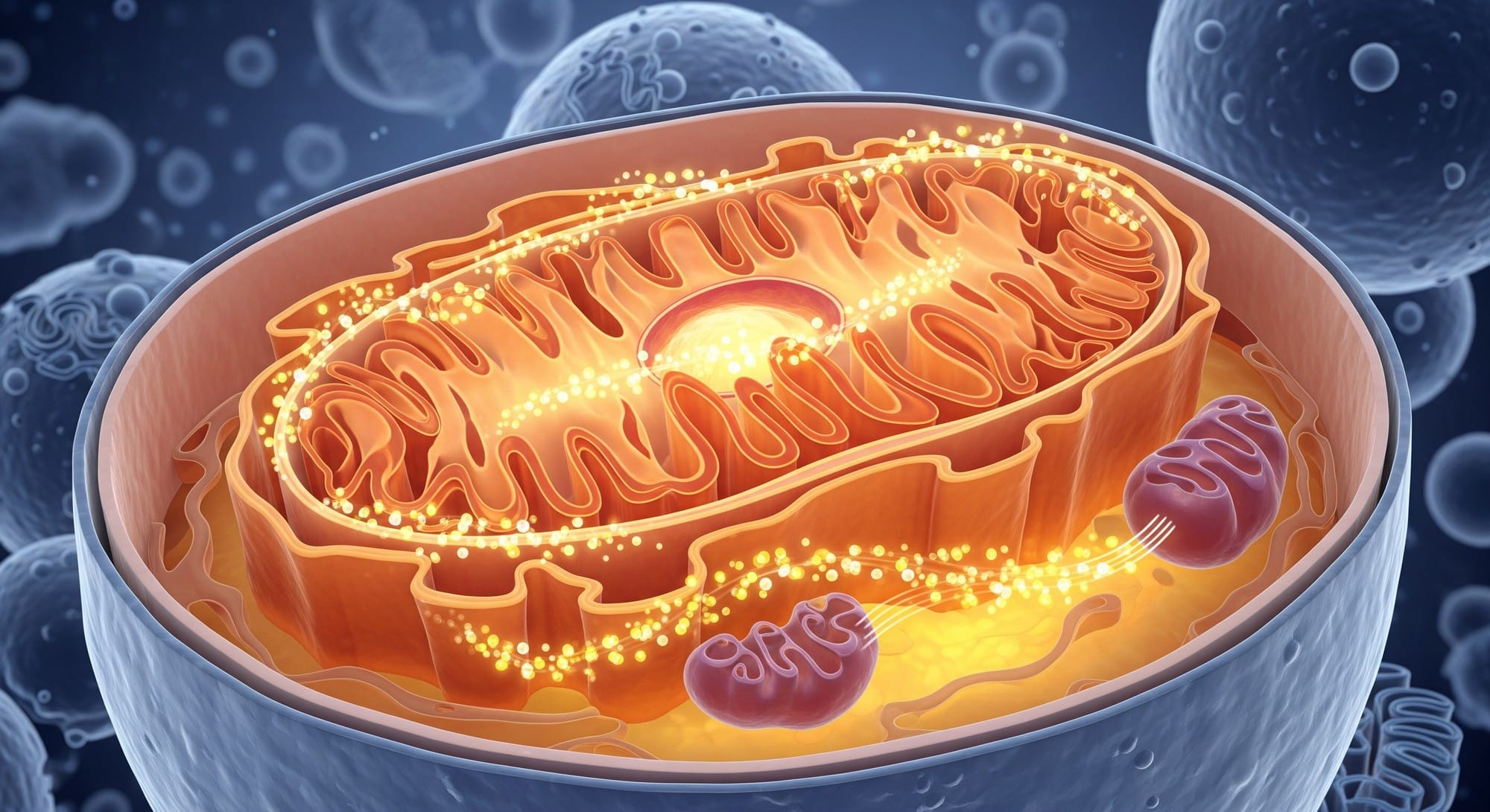
One reason NAD+ attracts so much attention is its connection to mitochondria, the structures that generate most of a cell’s energy. Studies have explored how NAD+ availability influences mitochondrial efficiency and how declining levels may relate to reduced cellular performance in laboratory models. This has made NAD+ a recurring topic in the study of metabolism, exercise physiology and the broader science of healthy aging.
Sirtuins and NAD+-Dependent Enzymes
Alongside energy metabolism, NAD+ is closely tied to a family of enzymes known as sirtuins, which depend on it to function. Sirtuins are studied for their role in regulating gene expression, stress responses and cellular repair pathways. Because these enzymes cannot operate without NAD+, the molecule sits at the intersection of several important areas of investigation, and this interconnected role is part of what makes it so widely researched.
The Expanding Research Landscape
The scientific literature on NAD+ is now extensive and spans many disciplines. Studies appear in journals covering biochemistry, neuroscience, endocrinology and cell biology, and they range from basic mechanistic work to more applied investigations in laboratory models. For anyone trying to follow the field, the breadth of material can be difficult to navigate, and understanding how individual findings fit into the larger picture often requires reviewing many separate sources.
This challenge has contributed to the growth of educational resources that consolidate publicly available information into structured overviews. Rather than replacing peer-reviewed publications, these resources aim to summarise established knowledge, outline current areas of investigation and point readers toward the primary literature. One example is the set of educational guides published by RetaLABS, an Australian supplier of research-grade compounds, which summarise topics such as NAD+ and cellular energy research. These guides are written as reference material for those studying the science rather than as product information, and they encourage readers to consult the original studies for detail.
It is worth emphasising that NAD+ research remains an area of active scientific investigation. Much of the work is conducted in cell cultures and laboratory models, and many questions about how findings translate to other contexts are still open. A responsible discussion of the topic distinguishes clearly between what has been established in controlled research settings and what remains under study, and it avoids overstating the certainty of early findings.
Advances in Research Tools and Methodology
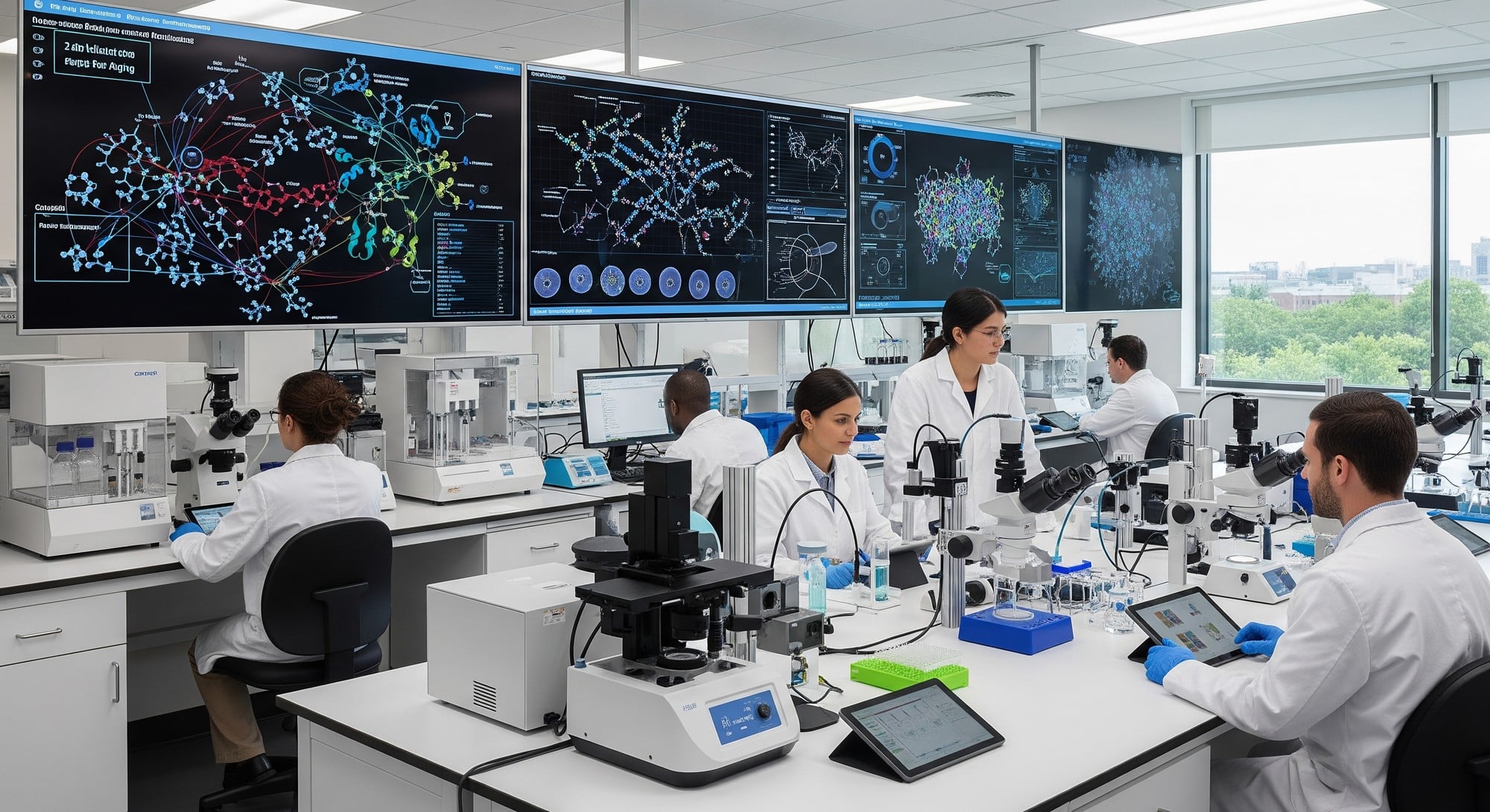
The tools available to study NAD+ have also become more sophisticated. Advances in metabolomics, imaging and molecular biology allow researchers to observe cellular processes in greater detail than was possible even a decade ago. These methods have helped clarify how NAD+ interacts with other molecules and how its levels respond to different experimental conditions, adding depth to a field that continues to expand.
Researchers also study the various molecular precursors that cells use to produce NAD+, examining how different pathways contribute to its overall availability. Comparing these pathways in controlled settings helps clarify how NAD+ is synthesised and recycled, and it highlights why standardised measurement methods matter when results from different laboratories are compared. This methodological work is less visible than headline findings, but it underpins the reliability of the broader field and shapes how new studies are designed and interpreted.
The Future of NAD+ Science
Looking ahead, NAD+ is likely to remain a focal point as interest in cellular energy and the biology of aging grows. Its central role in metabolism, its connection to mitochondrial function and its relationship with repair enzymes ensure that it will continue to feature in a wide range of studies. For researchers, educators and students, access to accurate and well organised information about the molecule will remain valuable as the science advances.
As with any rapidly developing area, the most useful resources are those that present information transparently, update it as new evidence appears and make clear the difference between confirmed knowledge and ongoing inquiry. NAD+ offers a clear example of how a single molecule can connect many strands of biological research, and why sustained scientific attention continues to build around it.

