
Caring for the trees in your yard is a rewarding experience that enhances your property’s beauty and value. From providing shade on sunny days to bearing fruit, each tree has its own unique needs and life cycle. Understanding these specific requirements, such as watering schedules, pruning techniques, and seasonal changes, is the key to ensuring your trees not only survive but thrive for years to come. This is especially true for fruit-bearing trees, which require a bit more knowledge to cultivate successfully.
Prized for their hardiness and year-round fruit production in certain climates, fig trees have journeyed from their Mediterranean origins to become a global favorite. For both aspiring and current growers, understanding their life cycle is essential, particularly when it comes to a fundamental question: do these popular trees shed their leaves?

Introducing the Ficus Carica (Fig Tree)
The fig tree, also known as Ficus carica, is a shrubby plant that’s native to the Mediterranean region. It has been around for centuries and continues to be one of the most popular trees because of its delicious fruit. The fruit is a staple in many diets, which is why the tree is grown worldwide, but its value extends beyond its fruit.
Their ability to produce fruit year-round makes them a crucial food source in rainforests and is a primary reason for their global cultivation.
Understanding Leaf Loss and Dormancy
Whether a fig tree loses its leaves depends entirely on its environment; they can lose their leaves in winter if exposed to low temperatures. Conversely, in consistently warm and moist climates, they retain their foliage. Therefore, leaf retention depends on the tree’s location, as even an indoor fig tree may survive the winter with its leaves intact.
Fig trees don’t usually die when they lose their leaves. Instead, they tend to become dormant. During this time, fig trees will remain without leaves until the temperature warms up.
Fig trees will go dormant once the temperature reaches around 45 to 50 degrees Fahrenheit, and if they’re exposed to temperatures below 20°F for prolonged periods, they may die.
How to Prevent Seasonal Leaf Drop
Yes, you can absolutely prevent fig trees from losing their leaves. The best way to prevent leaf loss is to protect your fig tree from cold temperatures (below 50°F). If your fig tree is small enough, bringing it inside with access to moisture and sunlight is an effective way to help it retain its leaves.
If you live in a warm climate, you don’t have much to worry about. Figs will keep their leaves all year, and if they do lose them, it’s a sign of another problem that you should investigate.

Finding and Sourcing Your Fig Tree
Fig trees can be found all over the world. However, if you want to plant them on your property, you may have to pay a visit to your local hardware store or florist (for small ones). Unfortunately, there’s no guarantee that they’ll be available, so we recommend shopping for fig trees online instead.
Online nurseries and specialty vendors offer a convenient way to browse a wide variety of fig trees, which can simplify the process of sourcing specific cultivars and arranging for delivery. Plus, you forego needing cargo space to haul a larger-sized tree.
Overall, starting online is recommended because you’ll have more options available. Reputable online vendors, such as Onlinefigtrees.com, provide a convenient way to browse a wide variety of fig trees from home, often simplifying the logistics of transporting a new tree.
Do Fig Trees Lose Their Leaves?
Like many other trees, fig trees do lose their leaves under certain conditions. While they may have their leaves for most of the year in their natural habitat or in rainforests, this isn’t the case for trees you’re growing in colder regions like the United States’ Northeastern region.
Also, the type of fig tree will determine whether or not it loses its leaves. Therefore, if you want your fig tree to keep its leaves all year, it’s important to carefully consider the type of fig tree you plan on getting and where you plan on placing it.
Caring for Your Fig Tree Through the Seasons
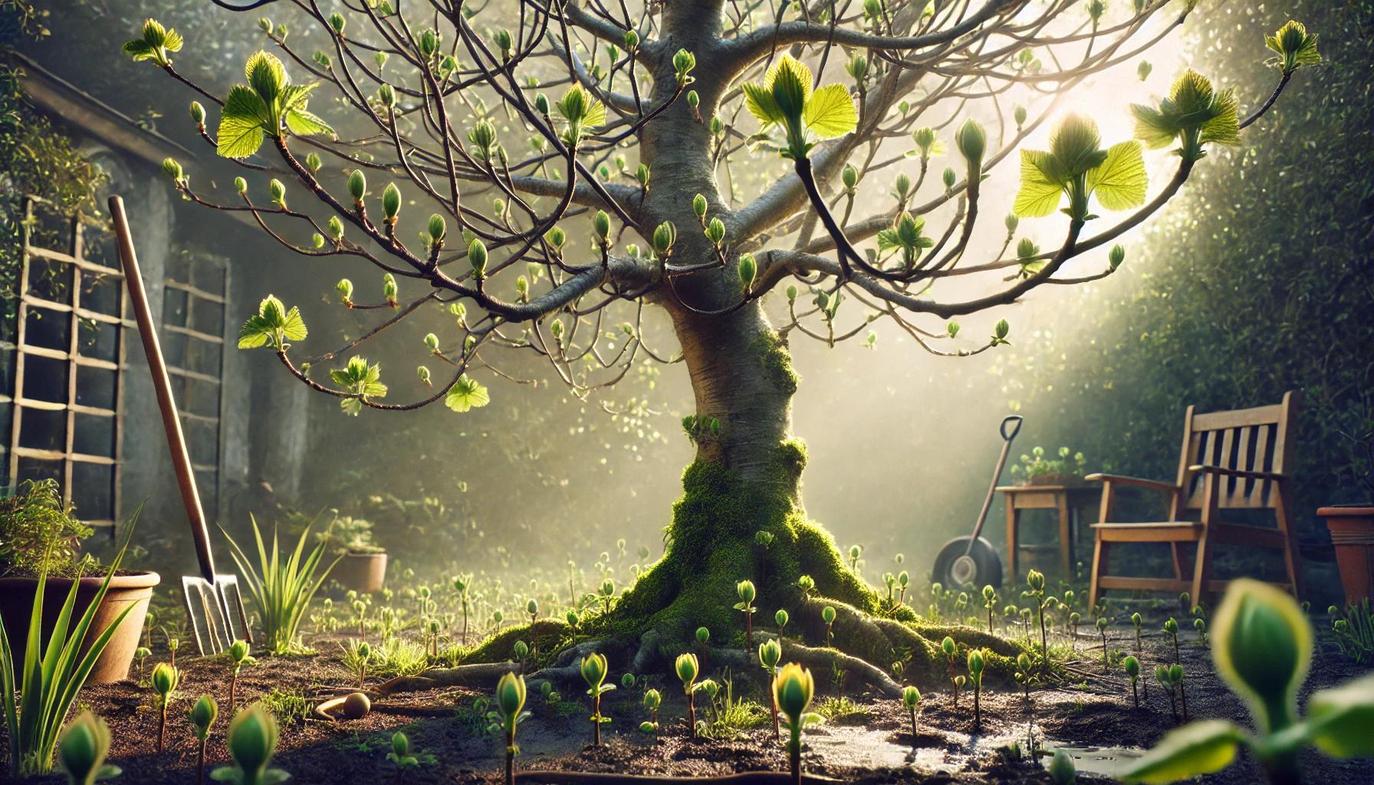
Understanding whether a fig tree will lose its leaves boils down to its environment. While these hardy trees can keep their foliage year-round in consistently warm, moist climates, they will enter a natural dormant state in regions with cold winters. This leaf loss is a normal survival mechanism, not a sign of death, and with proper care, your tree will return to its full glory in the spring. The key is to protect it from extreme cold and provide the right conditions based on your location.
Ultimately, successful fig tree care is about adapting to your climate. Whether you bring your plant indoors to prevent leaf drop or allow it to go dormant outside, knowing what to expect is crucial. By selecting the right type of fig tree for your region and understanding its seasonal needs, you can ensure it remains a healthy, productive, and beautiful addition to your home or garden for years to come.
Fig Tree Care: Common Questions
At what temperature do fig trees go dormant?
Fig trees typically enter dormancy and begin to lose their leaves when temperatures consistently fall between 45 and 50°F (7-10°C).
How do I protect my fig tree in the winter?
If your fig tree is in a pot, bring it indoors to a cool, dark place like a garage or basement. If it’s planted outside in a cold climate, wrap it in burlap or a frost blanket to protect it from freezing temperatures.
Why are the leaves on my indoor fig tree turning yellow?
Yellow leaves on an indoor fig tree are often a sign of overwatering or poor drainage. Ensure the soil is allowed to dry out slightly between waterings and that the pot has adequate drainage holes.

