
Accessible design is usually treated like a backup plan. Something to think about after a fall, after surgery, after a parent starts struggling with stairs.
That’s the mistake.
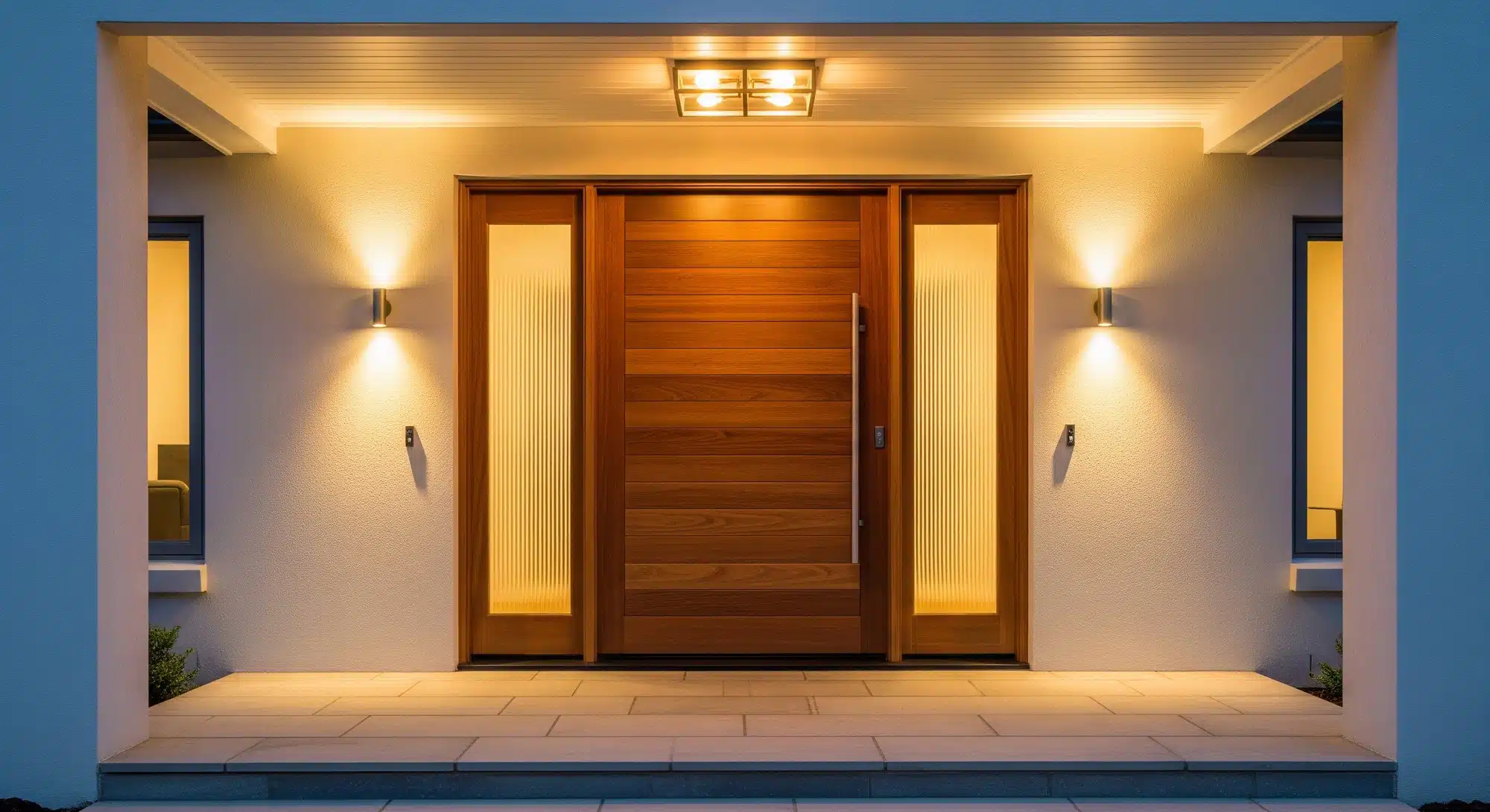
The best time to design for access is before anyone desperately needs it. A step-free entry doesn’t only help someone using a walker. It helps when someone is carrying groceries, pushing a stroller, rolling in luggage, or trying to move a sofa without turning the front door into a comedy sketch.
Small design choices have a way of becoming big relief later.
Lever handles. Wider doorways. Better hallway lighting. A shower without a raised lip. None of these things scream “medical.” They just make the home easier to live in. That’s the real win. Accessibility works best when nobody has to think about it.
It Doesn’t Have to Look Clinical
A lot of people still picture accessible homes as cold, awkward, and full of hospital-style fixtures. Grab bars everywhere. Plastic shower chairs. Harsh lights. The whole mood is “waiting room with bad coffee.”
It doesn’t have to be that way.
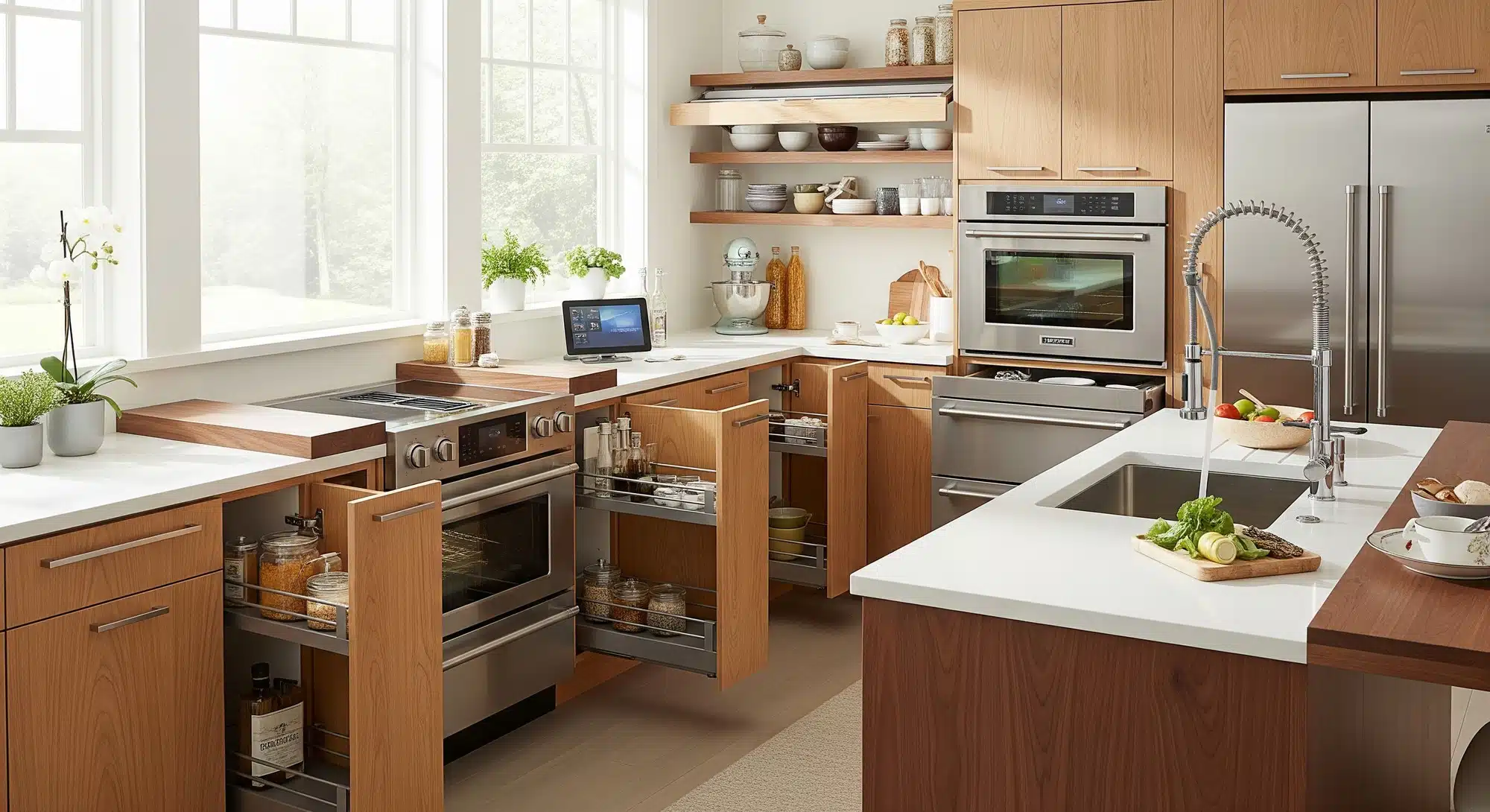
Modern accessible design can look warm, polished, and completely normal. A bathroom can have reinforced walls behind the tile, ready for grab bars later. A curbless shower can look sleek, not medical. Pull-out shelves can sit inside a beautiful kitchen. Motion lighting can feel thoughtful instead of fussy.
In many cases, these features actually make a home feel more expensive. Not because they’re flashy, but because they show planning.
There’s a quiet confidence in a home that works without making a fuss.
The Small Stuff Matters More Than People Think
Most home accidents don’t begin with some dramatic hazard. They start with ordinary things. A dark hallway. A slippery bathroom floor. A rug that curls at the edge. A step between rooms that everyone “just knows” is there.
Until someone forgets.
Falls, especially among older adults, can change daily life fast. Recovery can take weeks or months. Confidence can take even longer to return. That’s why prevention deserves more attention than it gets.
Better lighting at floor transitions helps. Non-slip flooring helps. Storage that doesn’t require climbing helps. Smooth thresholds help. So does having enough space to turn, sit, pause, or steady yourself.
Not glamorous.
Useful.
And useful tends to age better than trendy.
Homes Need to Keep Up With Real Life
A home is not built for one frozen version of a person. At least, it shouldn’t be. People get older. Kids grow. Knees get cranky. Someone breaks a foot. A parent moves in. A remote job turns the spare room into a daily workspace.
Life changes the brief.
That’s why flexible design matters. A ground-floor room can work as an office now and a bedroom later. A nearby bathroom can be designed with more clearance, even if nobody needs it yet. Hallways can be wide enough for furniture today and mobility equipment tomorrow. Storage can sit where people can actually reach it, not in the mysterious upper cabinet where cake tins go to retire.
When people build or renovate, custom homes offer a chance to plan around future mobility needs before those needs become urgent, especially in communities where families expect to stay in place for decades rather than move every few years.
Planning ahead isn’t pessimistic. It’s practical.
Independence Is the Real Luxury
Accessible design often gets framed as a safety issue. It is. But that’s only part of the story.
The bigger issue is independence.
Being able to enter the house without help matters. So does showering without fear, cooking without stretching dangerously, and moving from the bedroom to the bathroom at night without turning the trip into an obstacle course.
These things sound small until they’re gone.
A badly designed home can make someone ask for help earlier than they need to. A well-designed home can protect privacy, routine, and confidence. That’s not a minor upgrade. That’s quality of life.
For older adults, people with disabilities, recovering patients, and even busy families, a home that reduces daily friction gives something back: control.
Technology Can Help, But It’s Not the Whole Answer
Smart home tools have a place in accessible design. Motion lights can reduce nighttime falls. Voice assistants can help with reminders. Video doorbells can make visitors easier to manage. Sensors can alert caregivers if something seems wrong.
Good tools. Used well.
Still, technology should never be used to cover up poor design. A voice-controlled light is helpful, but a hallway without trip hazards is better. A fall alert has value, but a bathroom designed to reduce fall risk in the first place matters more.
The strongest homes combine both. Physical design first. Technology second.
Otherwise, it’s just gadgets trying to rescue bad planning. And nobody needs a “smart” home that still makes it hard to reach the laundry shelf.
Care Works Better When the Space Makes Sense
Care does not happen in a vacuum. It happens in bedrooms, bathrooms, kitchens, hallways, and entryways. If those spaces are cramped or awkward, care becomes harder for everyone.
A narrow bathroom can make assistance stressful. Poor lighting can increase risk. A bedroom far from a toilet can make nights difficult. Doors that swing the wrong way can turn simple routines into daily frustration.
In aging societies, support at home is becoming a bigger part of long-term care planning, and it works best when the home itself is ready for safer movement, privacy, and practical daily routines.
This is where design becomes more than style. It becomes support. It reduces strain on family members, gives professional caregivers room to work, and helps the person receiving care feel less like their home has turned against them.
That matters.
Better Access Means Better Living
Accessible design should not sit in a separate category, waiting for a crisis. It belongs in the first conversation about how a home should work.
The goal is not to make every house look like a care facility. The goal is to make homes more forgiving, more flexible, and more honest about how people actually live. Some days are energetic. Some days are not. A good home should handle both.
Beauty still matters. Comfort matters too. But neither should depend on perfect mobility, perfect balance, or perfect health.
The smartest design choice is often the one nobody notices until they need it. A wider doorway. A safer shower. A light that comes on at the right time.


