
Modern healthcare is often defined by innovation. From artificial intelligence and robotic surgery to precision medicine and telehealth platforms, medical advancements are transforming the way healthcare is delivered around the world. These innovations have improved diagnosis, treatment, patient monitoring, and disease prevention, offering hope for better outcomes and longer lives. However, while innovation receives much of the attention, another factor is equally important: access.
Access to healthcare determines whether patients can actually benefit from medical breakthroughs. A revolutionary treatment has limited value if it is unavailable, unaffordable, or inaccessible to the people who need it most. For healthcare systems to truly improve public health, innovation and access must work hand in hand. Without access, even the most advanced technologies cannot achieve their full potential.
The Importance of Healthcare Innovation
Innovation has always played a vital role in healthcare progress. Innovations such as all on 4 dental implants have transformed restorative dentistry, while other medical discoveries have helped eliminate diseases, reduce mortality rates, and improve quality of life for millions of people. Vaccines have prevented countless infections, advanced imaging technologies have improved diagnosis, and new medications have transformed the treatment of chronic and life-threatening conditions.
In recent years, healthcare innovation has accelerated rapidly. Artificial intelligence can help doctors identify diseases earlier and more accurately. Wearable devices allow patients to monitor their health in real time. Telemedicine connects patients with healthcare providers regardless of geographical distance. Personalized medicine uses genetic information to tailor treatments to individual patients, increasing effectiveness and reducing side effects.
These advancements demonstrate the power of innovation to solve complex healthcare challenges. They improve efficiency, reduce errors, and create opportunities for better patient outcomes. Yet innovation alone cannot guarantee healthier populations. Numerous innovative and successful approaches are already changing healthcare, but their impact depends entirely on whether patients can actually use them.
Why Access Matters
Access refers to a person’s ability to obtain healthcare services when needed. This includes physical access to healthcare facilities, financial affordability, availability of qualified professionals, and access to information and technology.
Many individuals face significant barriers to healthcare access. Rural communities often have fewer hospitals and specialists. Low-income families may struggle to afford treatments, medications, or insurance coverage. In some regions, transportation difficulties make it hard for patients to reach medical facilities. Language barriers, digital literacy challenges, and social inequalities can also limit access.
When access is restricted, healthcare disparities grow. According to the World Health Organization, more than half of the global population — approximately 4.6 billion people — still lacks full coverage of essential health services, and 2.1 billion face financial hardship due to out-of-pocket healthcare costs. Patients may delay treatment, skip preventive care, or avoid seeking medical attention altogether. As a result, conditions that could have been treated early become more severe and costly.
Innovation can only create meaningful change if people can reach and benefit from the services being developed. Access ensures that medical progress translates into real-world improvements in health outcomes.
The Cost Barrier
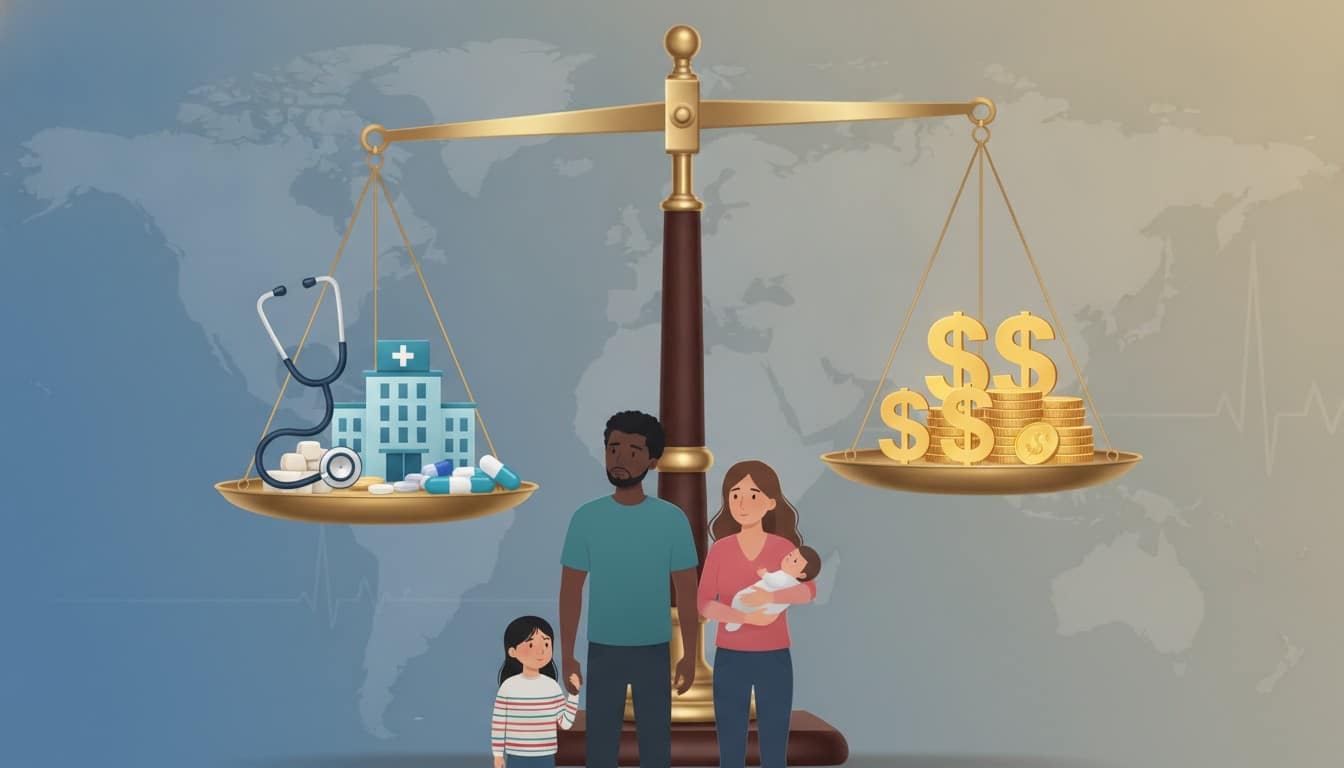
One of the greatest obstacles to healthcare access is cost. Many innovative treatments are expensive, particularly when they are first introduced. Advanced therapies, specialized procedures, and cutting-edge medications may be beyond the financial reach of many patients.
Even in developed healthcare systems, high out-of-pocket costs can discourage individuals from seeking care. Patients may delay appointments, ration medications, or avoid recommended treatments due to financial concerns. These decisions can lead to worsening health conditions and higher long-term healthcare expenses.
Healthcare innovation should not only focus on developing new technologies but also on making them affordable and scalable. Solutions that reduce costs while maintaining quality have the potential to benefit larger populations and create more equitable healthcare systems.
Geographic and Rural Challenges
Geography remains a major factor affecting healthcare access. Urban areas typically have more hospitals, specialists, and advanced medical equipment than rural communities. Patients living in remote regions may need to travel long distances to receive care.
Telemedicine has emerged as an important innovation for addressing this challenge. Virtual consultations enable patients to connect with healthcare providers from their homes, reducing travel time and increasing convenience. However, telehealth itself depends on access to reliable internet connections and digital devices.
Expanding healthcare access requires investment in infrastructure, transportation, broadband connectivity, and local healthcare services. Technology can help bridge gaps, but it cannot completely replace the need for accessible healthcare facilities and trained professionals.
Health Equity and Social Impact
Access to healthcare is closely connected to health equity. Health equity means that everyone has a fair opportunity to achieve their best possible health regardless of income, location, ethnicity, age, or background.
When access is unequal, health outcomes often reflect broader social and economic inequalities. Vulnerable populations may experience higher rates of chronic disease, lower life expectancy, and poorer overall health.
Innovation should be designed with inclusivity in mind. Healthcare solutions must consider the needs of diverse populations rather than focusing solely on those with the resources to adopt new technologies. Inclusive healthcare innovation can help reduce disparities and promote better outcomes across entire communities.
Balancing Innovation and Access
The most successful healthcare systems recognize that innovation and access are complementary goals. Facilities such as urgent care in Brisbane illustrate how accessible healthcare services can reduce pressure on hospitals. Investments in research and development should be matched by efforts to improve affordability, availability, and healthcare infrastructure.
Governments, healthcare providers, technology companies, and policymakers all play important roles in achieving this balance. Public-private partnerships, expanded insurance coverage, patient education programs, and community healthcare initiatives can help ensure that innovations reach the populations they are intended to serve.
Healthcare organizations should also measure success not only by the sophistication of new technologies but also by their impact on patient outcomes and accessibility. An innovation that reaches millions of people may ultimately create greater public health benefits than one that remains available only to a select few.

Conclusion
Innovation continues to drive remarkable progress in modern healthcare, offering new possibilities for diagnosis, treatment, and disease prevention. However, the value of these advancements depends on whether people can access them. Affordability, availability, geographic reach, and health equity are just as important as technological breakthroughs.
A truly effective healthcare system is not defined solely by how advanced its technologies are but by how widely and fairly those technologies can be used. By prioritizing both innovation and access, healthcare leaders can create systems that improve health outcomes, reduce disparities, and deliver lasting benefits to individuals and communities around the world.


