
When an orthopedic surgeon selects a titanium bone plate or a cardiologist prepares a complex coronary stent, there is an implicit, absolute trust that the medical device is completely sterile and safe for implantation in humans. Achieving this uncompromising standard of healthcare safety is an intricate journey that begins long before the device arrives at the surgical center. For medical device manufacturers, the road to building a truly clean, contamination-free product often depends on finding the right industrial partners, including a trusted specialty chemical distributor that can consistently source highly specialized cleaning materials. Among these crucial supplies, high-purity, zero-residue solvents are the quiet heroes of patient safety, serving as the initial line of defense against microscopic contamination during production.
The Invisible Threat: Manufacturing Leftovers and Biological Risks
During fabrication, medical devices undergo intensive mechanical machining. Precision cutting fluids, heavy stamping oils, metal polishing compounds, and even human fingerprints routinely coat fine components as they’re stamped, molded, or turned on a lathe. If just a microgram of these industrial process fluids stays on a surgical instrument or implant, the downstream medical outcomes can become severely compromised.
Leftover chemical residues can interfere with later sterilization steps, forming a microscopic physical barrier that makes it harder for harmful pathogens and bacterial spores to be neutralized by autoclaves or radiation treatments. On top of that, these foreign chemical compounds can trigger severe, adverse biological reactions inside a patient’s body, leading to sterile inflammation, tissue rejection, localized necrosis, or systemic toxic shock syndrome. In the medical field, a surface that appears perfectly clean under a standard visual inspection may still harbor molecular contaminants capable of causing severe postoperative complications in patients.
Achieving Precision Cleanliness via Zero-Residue Technology
To remove this invisible threat, medical device manufacturers often move away from regular industrial washing and instead lean on more advanced precision cleaning methods. This is where zero-residue solvents prove essential, as they eliminate the contamination risk that traditional cleaning methods leave behind. Regular industrial degreasers can leave a subtle, non-volatile film after drying; leaving a faint, nearly invisible film that nonetheless compromises surface purity. By contrast, zero-residue solvents just evaporate completely from the component surface. They break up complex manufacturing oils and particulate contaminants, then transport all that away during the wash step, so the parts come out with a clean finish; no chemical footprints, no lingering synthetic remnants.
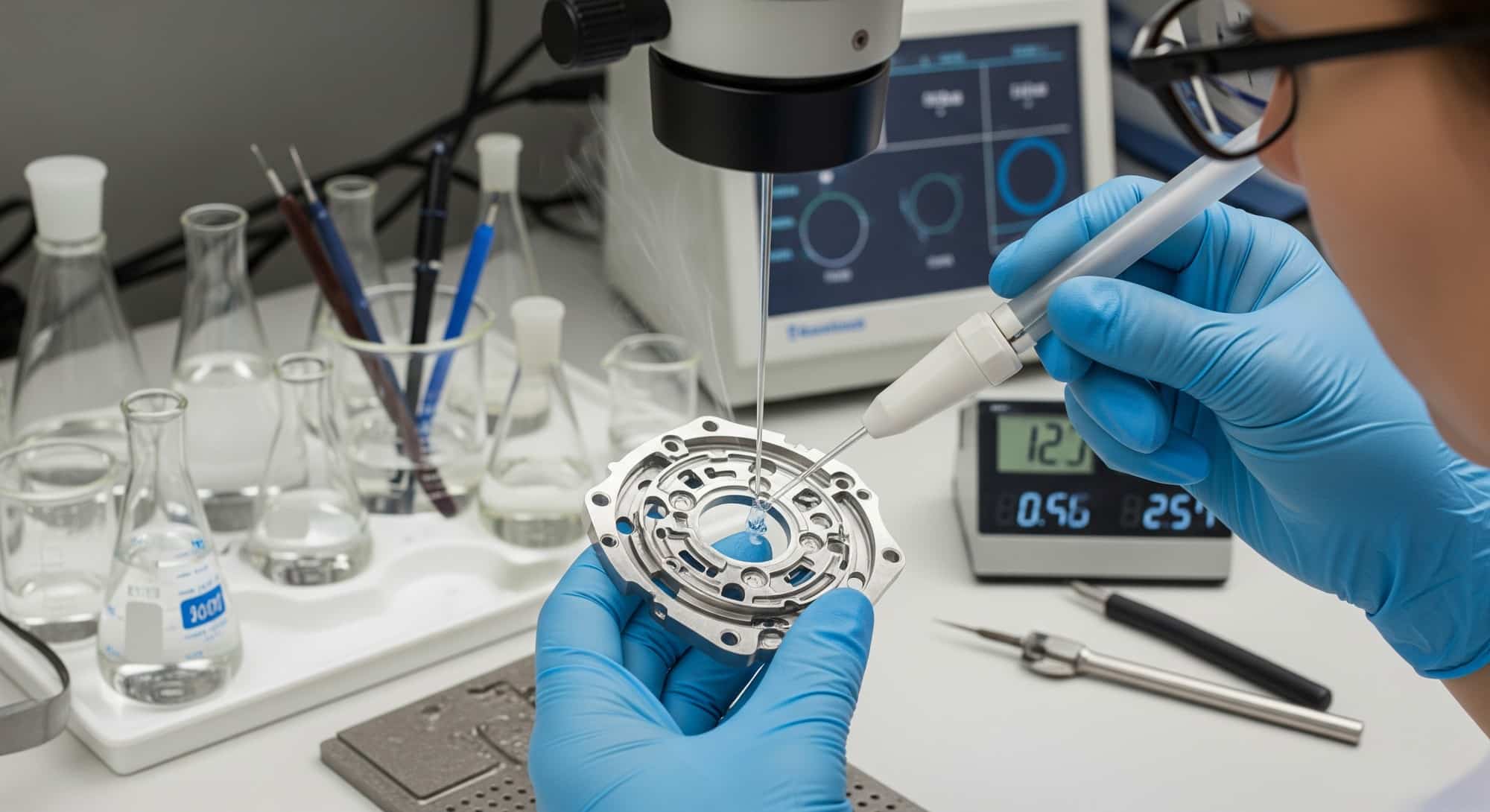
Now the exact solvent selection isn’t random; it’s based on the device geometry and what the material is made of. If the design is highly intricate and the surface chemistry is delicate, the choice has to be careful. For example, advanced chemical blends and regulatory-compliant formulations such as CDA 12a are commonly tested and used in demanding production settings, especially when strong solvency and fast, clean evaporation are required. These specialized agents help clear intricate lumens, sliding hinges, micro-grooves, and porous regions of surgical instruments, all while avoiding damage to the underlying delicate polymer or metallic substrate.
Biocompatibility and Strict Regulatory Compliance
Beyond pure engineering performance, the medical industry’s heavy reliance on zero-residue chemistry is driven by a strict and unforgiving global regulatory landscape. Enforcement agencies such as the United States Food and Drug Administration (FDA) and international standards organizations like ISO 13485 mandate that manufacturers rigorously prove their cleaning validation protocols are highly consistent, documentable, and repeatable.
Because zero-residue solvents leave absolutely nothing behind, they greatly simplify this complex validation process. Manufacturers can confidently verify and document that the cleaning agent itself does not become a new source of chemical contamination. This is a common, frustrating issue when using water-based detergents; they often require extensive multi-stage rinsing cycles and introduce the risk of leaving mineral deposits, water spots, or residual surfactants that could undermine biological safety.
Sustainability and Future Outlook in Medical Manufacturing
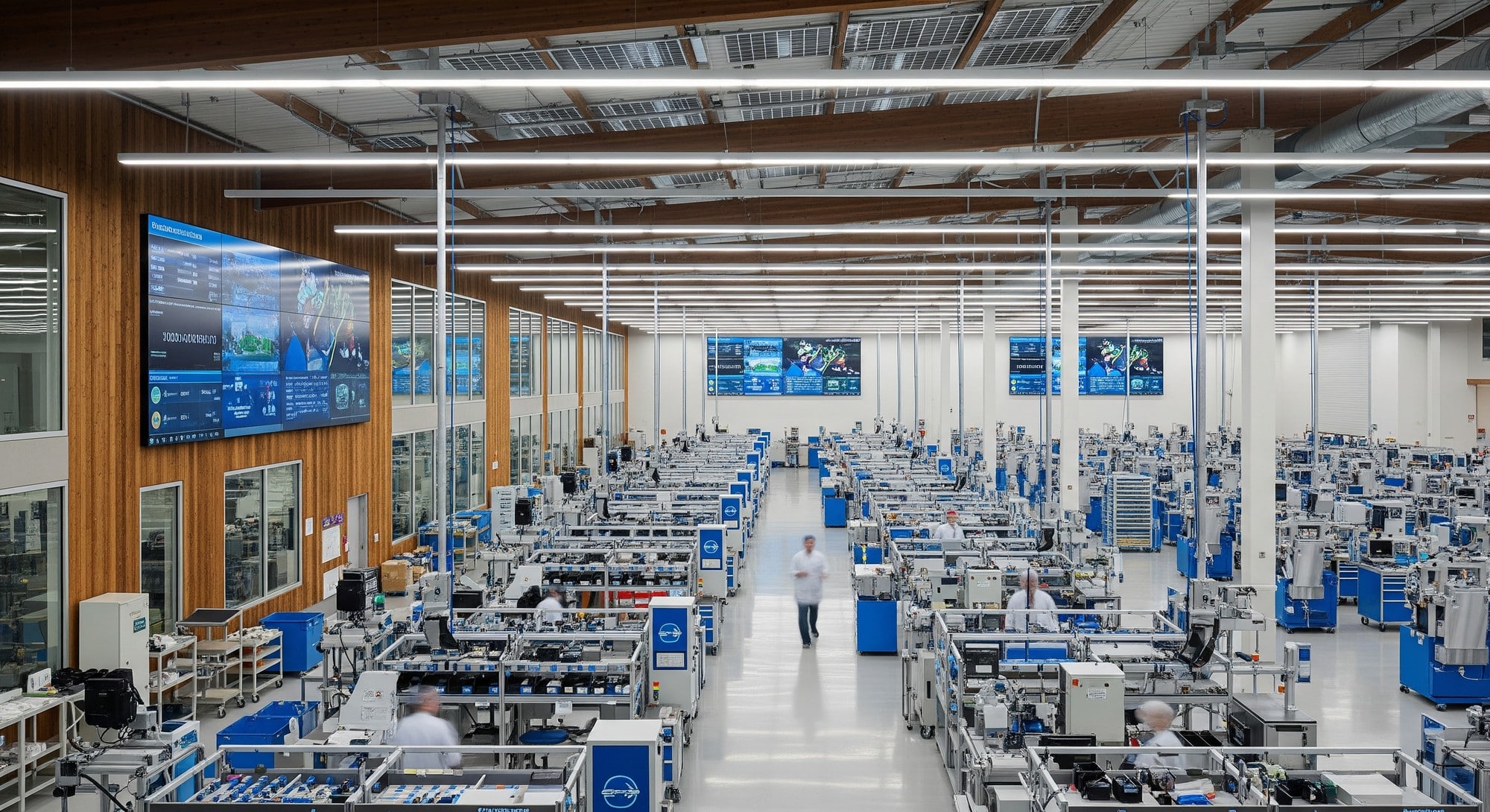
Modern medical manufacturing facilities also have to juggle the need for extreme cleanliness alongside environmental responsibility and worker safety. The latest generation of zero-residue precision solvents comes with exceptionally low global warming potential (GWP) and zero ozone depletion potential (ODP). These eco-friendly, fast-drying chemistries enable automated production lines to maintain rapid cycle times and high manufacturing throughput while noticeably reducing the energy consumption associated with long thermal drying ovens.
Conclusion
Patient safety in the operating room is permanently built on a foundation of microscopic purity. By relying on high-purity solvents that evaporate completely without a trace, medical device manufacturers can successfully ensure their products are truly ready for final sterilization and safe for critical human contact. Securing a dependable, compliant supply of these specialized, high-performance cleaning chemistries requires deep collaboration with an experienced specialty chemical distributor.


