
The change from a cool morning to a warmer afternoon can make getting children dressed a little challenging. A jacket that feels comfortable when leaving home may become unnecessary after arriving at school, especially when classrooms are heated or the weather becomes milder during the day. Parents therefore need to think beyond the temperature outside and consider how children will feel throughout their daily routine.
Layering offers a practical way to manage these differences without making an outfit unnecessarily complicated. Instead of choosing one heavy outfit for the entire day, families can combine comfortable everyday clothing with an outer layer that can be removed when needed. The right jacket should fit naturally into this routine, allowing children to move between home, school, and outdoor activities without constant wardrobe adjustments.
Choosing a Varsity Style for Everyday Layering
A varsity-style jacket can add a casual outer layer to a child’s wardrobe. Its familiar combination of a structured body, contrasting sleeves on some designs, and ribbed detailing gives it a distinctive appearance that can work with different everyday outfits. Parents can explore a kids varsity jacket when looking for this style while comparing the construction, available sizes, and product descriptions of individual items.
The most useful choice depends on the child’s routine rather than appearance alone. A jacket should fit comfortably over the clothing normally worn underneath, without making the shoulders or sleeves feel restrictive. Parents can check the fit while the child is sitting, standing, and raising their arms. These small checks help identify whether the selected size will work during ordinary school activities.
A varsity-inspired design can also be paired with simple clothing. Jeans, casual trousers, leggings, and basic tops may all create different everyday combinations, depending on the jacket’s color and overall appearance. This makes it easier to use one outer layer with several outfits rather than buying something for only one specific occasion.
The Art of Dressing in Layers Without Overdoing It
Layering works best when every clothing item has a clear purpose. A lightweight top can provide the basic outfit, while a sweatshirt or suitable jacket can be added when the temperature calls for extra coverage. If the child becomes warm indoors, the outer layer can be removed without changing the entire outfit.
The American Academy of Pediatrics reaches a similar conclusion in its cold-weather guidance, advising that several thin layers keep children dry and warm, and that a sensible rule of thumb for younger children is one more layer than an adult would wear in the same conditions.
However, adding too many pieces can create a different problem. Thick clothing underneath a fitted jacket may restrict movement, make sleeves uncomfortable, or leave the child feeling bulky. Parents should therefore consider the complete outfit rather than judging the jacket separately.
A practical combination usually begins with the clothing the child will wear for most of the day. The additional layer should fit comfortably over it and be easy to take off. For particularly cool mornings, another suitable layer may be useful, but it should not prevent the child from sitting comfortably or participating in normal activities.
Comparing Different Layering Choices for Changing Conditions
Not every jacket serves the same purpose. Some styles are better suited to mild weather, while others may be more appropriate when temperatures are lower. The following comparison can help parents think about the role of different clothing options before making a purchase.
| Clothing option | When it may be useful | What parents should consider |
| Lightweight varsity-style jacket | Cool mornings and casual outdoor trips | Check the fit, construction, and whether it works over everyday tops |
| Sweatshirt | Mild conditions and comfortable indoor wear | Consider sleeve length and how easily another layer can be added |
| Fleece-style outer layer | When an additional soft layer is needed | Review the actual fabric details and care instructions on the product page |
| Heavier winter jacket | Colder weather and longer outdoor periods | Check the product’s stated warmth-related features and available sizing |
| Basic long-sleeved top | Warm classrooms and mild afternoons | Choose a comfortable fit that works on its own |
This comparison is a general clothing guide, not a statement that every item in a category has identical features. The actual material, thickness, construction, and intended use can vary between products. Reading the individual listing is always more reliable than making assumptions based on a jacket’s name or appearance.
Understanding PatPat Red-and-Black Varsity Jacket Designs
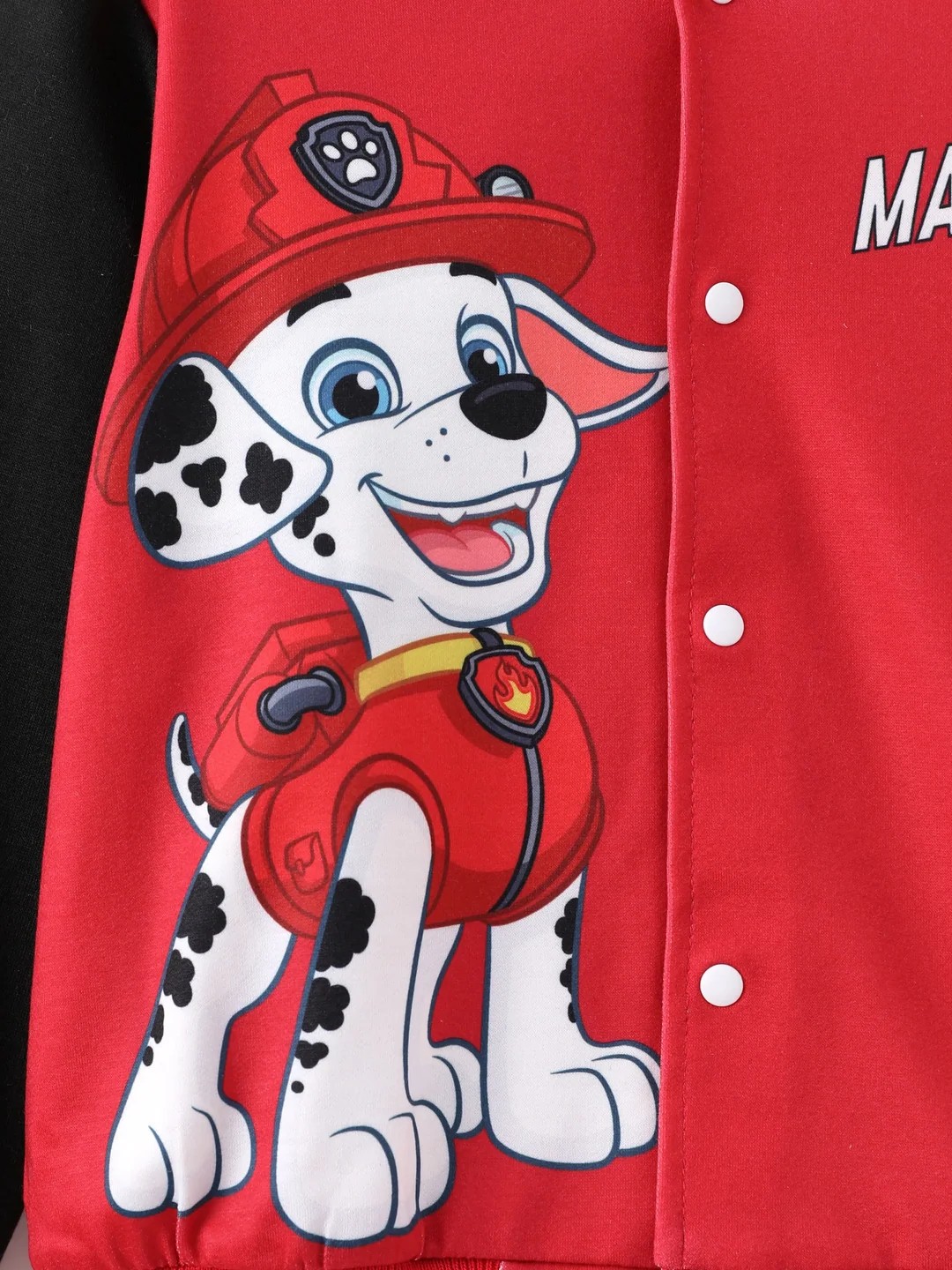
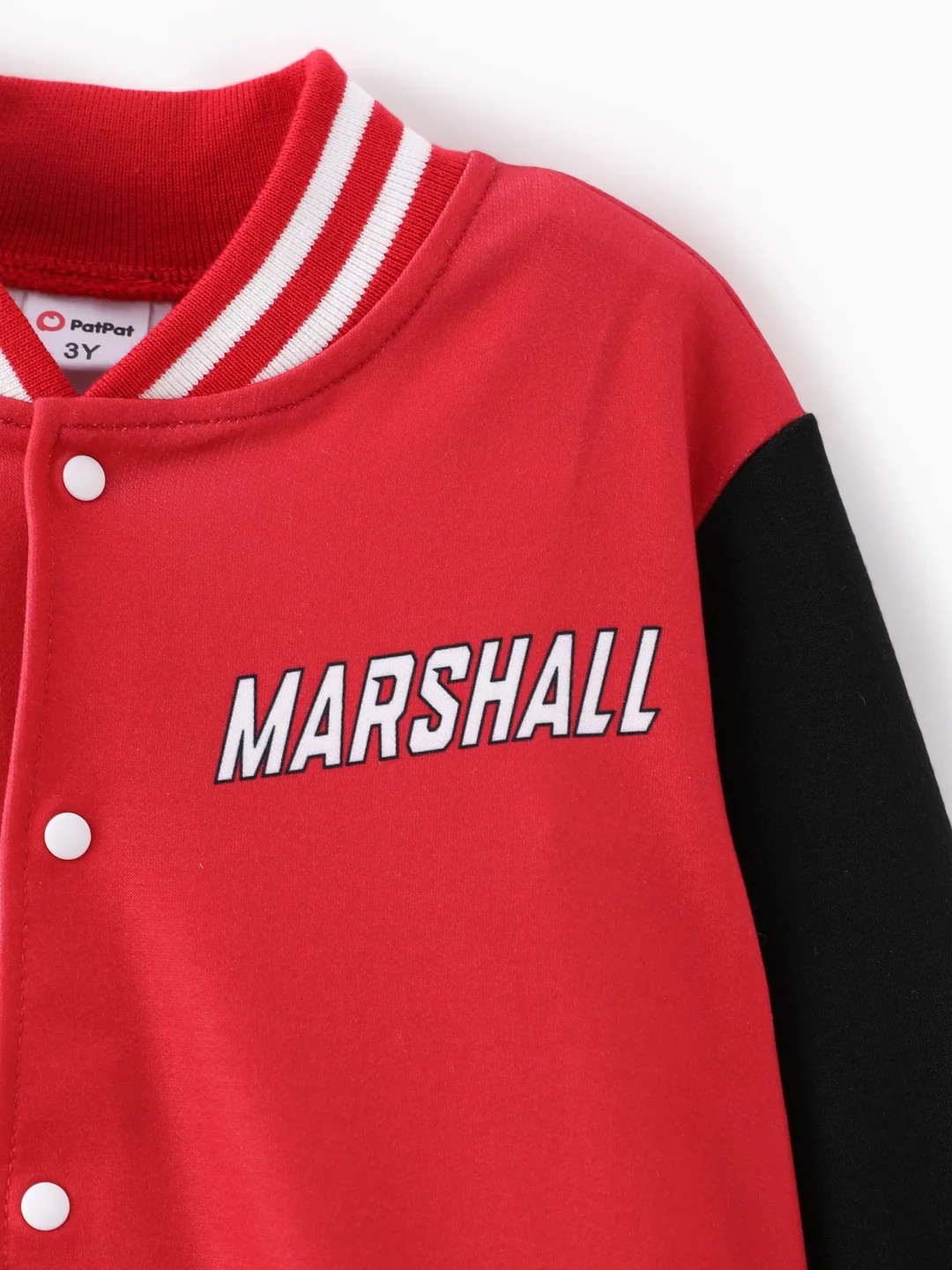
The red-and-black color-block varsity-style jacket shown in the supplied PatPat product image offers one example of how contrasting colors can give a children’s outer layer a recognizable casual look. The visible design has a red body, black sleeves, a front button-style opening, and striped ribbed detailing around the neckline, cuffs, and lower hem. These visual details create a coordinated appearance that can be paired with simple everyday clothing. Parents considering this particular style should check its product listing for the exact fabric composition, available sizes, and care instructions before purchasing, as those specifications cannot be confirmed from the image alone. Some styles in the range also carry officially licensed character artwork, which is another detail worth confirming on the individual listing.
Making Indoor Comfort Part of the Clothing Decision
A jacket that feels suitable outdoors may not be necessary once a child enters a warm classroom. Indoor comfort is an important part of choosing school clothing because children spend a considerable amount of their day sitting, writing, reading, and participating in lessons. An outfit that feels too warm can become distracting, particularly when the child has no convenient place to remove or store an extra layer.
Parents can help by choosing jackets that are manageable throughout the day. An easy front opening, a comfortable fit, and a design that can be removed without assistance may make a difference, depending on the child’s age and abilities. Younger children may need some practice with buttons or other closures, so trying the jacket at home before the first school day can be helpful. A guide to comfortable toddler clothes can also help parents compare the fabrics, fits, and closures of the layers worn underneath.
It is also worth checking the school’s arrangements for storing outdoor clothing. A child who has a designated hook, locker, or space for a jacket can manage temperature changes more easily. Establishing a consistent habit of removing and storing the outer layer can reduce the chances of clothing being misplaced.
Planning Outfits Around a Child’s Daily Activities
The best layering combination is not necessarily the same for every child. Some children spend more time walking outdoors, while others travel directly between home and indoor environments. After-school activities can also affect clothing choices. A child who attends an outdoor activity may need a different outer layer from one who spends the afternoon at home.
Parents can begin by observing the routine across a typical week. Consider the time children leave home, how they travel, whether they have outdoor breaks, and what they do after school. This information can help families avoid purchasing jackets that are unsuitable for their actual needs.
For example, a child who attends school during a mild autumn season may only need a comfortable jacket for the morning journey. Another child living in an area with colder mornings may benefit from a different combination of layers. There is no single outfit that works equally well in every climate, so flexibility is more useful than following a fixed clothing formula.
Exploring Different Outerwear Options for Children
A child’s wardrobe may need more than one type of outer layer as the seasons change. Some days call for a casual jacket, while others may require a warmer option or a lighter garment that is easy to carry. Parents can explore a kids fleece jacket alongside other children’s outerwear styles when comparing possible additions to the wardrobe.
When browsing PatPat, it is helpful to look at individual product information rather than relying only on collection names. The available styles, sizes, colors, and fabric descriptions can differ from one listing to another. Parents should also consider whether a particular item fits their child’s existing clothes and the conditions in which it will normally be worn.
A good wardrobe does not need to contain many similar jackets. A few carefully selected options that suit different weather conditions may be more useful than several pieces that serve exactly the same purpose. The goal is to have suitable choices available without making everyday dressing unnecessarily complicated.
Helping Children Manage Their Own Extra Layers
As children grow, they can gradually take more responsibility for deciding when to wear or remove an outer layer. Parents can start by explaining that clothing choices may change as the day becomes warmer or cooler. For younger children, simple instructions such as taking off a jacket when entering a warm classroom can help build an everyday habit.
It is also useful to teach children how to handle their clothing properly. They can learn to place a jacket on a hook, fold it neatly, or put it inside a suitable school bag when appropriate. These small habits can make school routines more organized and reduce the chance of items being forgotten.
Children should also be encouraged to communicate when they feel too warm or cold. Their comfort matters, and their feedback can help parents understand whether a particular combination is working. A jacket that looks suitable to an adult may not feel the same to the child wearing it throughout the day.
Building a More Flexible Everyday Wardrobe
Managing cool mornings and warm classrooms does not require complicated clothing choices. It starts with understanding the child’s routine, selecting comfortable layers, and making sure each piece can be used in more than one situation. A jacket should complement the outfit rather than make it harder for a child to move, sit, learn, or play.
Parents can make the process easier by checking product descriptions, comparing sizes, and considering the actual weather conditions in their area. PatPat’s children’s jacket collections provide different styles to explore, but the most appropriate option will always depend on the individual product details and the child’s needs.
With a little planning, families can create combinations that work across changing temperatures. A comfortable base outfit, a suitable removable jacket, and sensible storage habits can make the transition from a cool morning to a warm classroom much easier for both children and parents.

