
Myrtle Beach is renowned for its beautiful coastline and vibrant atmosphere, but its unique climate also brings distinct challenges when it comes to pest management. The region’s weather patterns create an environment where pests thrive in different ways throughout the year. Understanding these seasonal behaviors can help homeowners take action to keep their homes protected. If you are local to the area and want to be proactive, professional pest control in Myrtle Beach, SC, can help you address these issues promptly and safely.
The subtropical climate means warm, humid summers and mild winters. These conditions allow various pests to flourish year-round, so knowing what to expect each season is essential. With some planning and regular maintenance, families can avoid many of the most common pest-related headaches.
Monitoring pest activity levels and making small adjustments as needed can go a long way in reducing the risk of an infestation. Staying informed about how the weather impacts local pest populations ensures a healthier, more comfortable home environment.
Weather does not just affect when pests are active; it also changes the ways they access food, water, and shelter. That makes home upkeep and prevention strategies essential parts of pest management in Myrtle Beach.
Spring Pest Activity
When spring arrives and temperatures warm up, pests start emerging from their winter hiding spots. Termites, one of the most costly home invaders, begin their swarming season as early as March and continue through May. These pests seek new locations to establish colonies and can quickly cause serious structural damage if not noticed early.
Ants become significantly more active in spring, too, searching homes for sources of food and water. Early identification and treatment can keep both termites and ants from settling in and causing long-term problems. Taking the time to inspect crawl spaces, basements, and even attics in spring sets the stage for fewer pest headaches down the road.
Summer Infestations
The summer months in Myrtle Beach bring heat, humidity, and plenty of rain—perfect conditions for pests like mosquitoes and cockroaches. Mosquitoes need only a small amount of standing water to breed, making them especially problematic around pools, birdbaths, gutters, and planters after summer rainstorms. Eliminating these water sources is key to reducing their numbers.
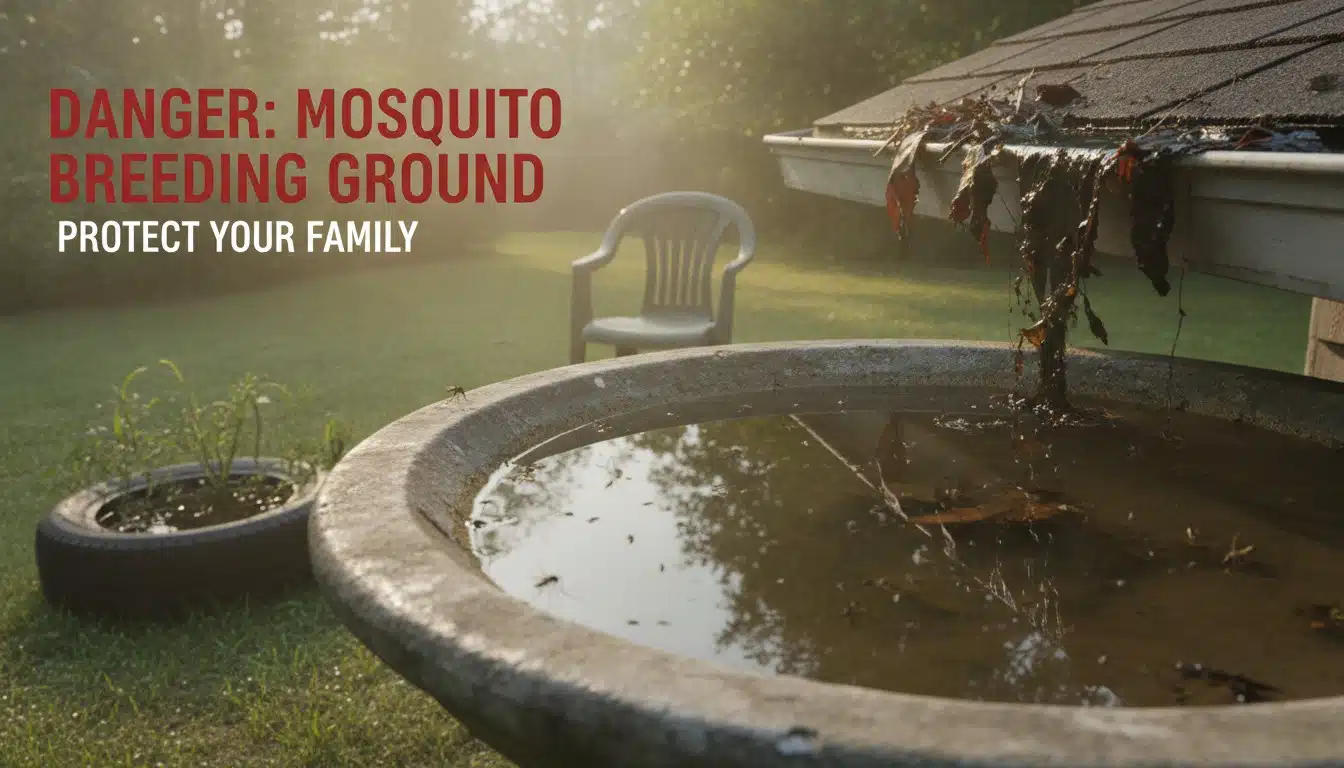
Cockroaches are another familiar summer nuisance. Attracted to warmth and dampness, they often move indoors in search of cooler conditions and access to food. Kitchens and bathrooms are their most common targets. Consistent cleaning and quick repair of leaks can cut down on the chances of cockroach infestations.
Fall Invaders
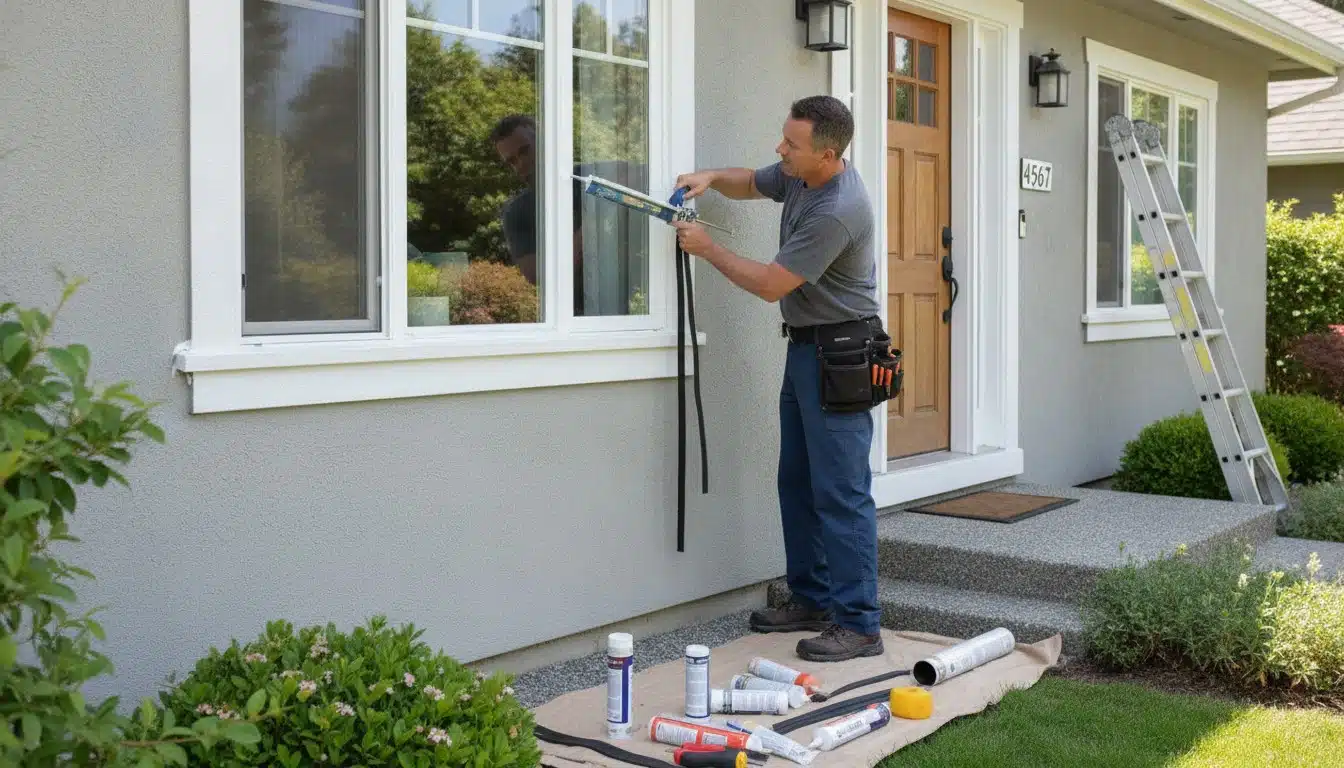
As the temperatures cool down in the fall, different types of pests look for ways to stay warm. Rodents like mice and rats often head indoors through cracks, gaps, and poorly sealed doors or windows. Once inside, they quickly settle in and have easy access to food and water.
Spiders also become more noticeable indoors during autumn, driven by the search for both warmth and prey. While most spiders pose little danger to humans, their presence can be unsettling. Sealing up entry points and reducing clutter inside the home can make a big difference in discouraging these fall invaders.
Winter Pest Challenges
Even in winter, Myrtle Beach’s milder climate means that some pests remain active. Cockroaches and ants, in particular, do not go completely dormant during the cooler months. Instead, they seek warmth and nourishment inside homes. This steady activity means pest control vigilance is needed even during what might feel like an “off season.” Regularly cleaning pantry shelves, vacuuming behind appliances, and keeping pet food sealed can reduce the chances of these pests making themselves at home.
Impact of Humidity on Pest Behavior
Myrtle Beach’s high humidity levels create ideal breeding environments for many local pests. Warm, damp conditions speed up reproduction for both cockroaches and termites, leading to larger and more persistent infestations. Moisture in basements, bathrooms, and under sinks attracts these pests year-round.
Improving home ventilation and using dehumidifiers can help lower moisture levels indoors. Ensuring that attics and crawl spaces stay dry is particularly important. This approach can significantly reduce the pest population in and around your home.
Landscaping and Pest Attraction
The way a yard is landscaped can impact pest activity around a home. Dense shrubbery, piles of leaves, or stacked firewood next to the house offer shelter and hiding places for rodents and insects alike. Regularly trimming vegetation and keeping a buffer zone between greenery and the foundation can keep many unwanted pests at bay.
Homeowners can also choose pest-resistant plants and use mulch sparingly. This not only improves curb appeal but also makes it harder for pests to find quick entry into the home. Keeping gutters clear and compost piles well away from the house are additional steps to minimize pest attraction.
Preventive Measures for Homeowners
- Seal cracks and gaps in your home’s exterior to block common entry points.
- Remove any standing water around your yard to deter mosquitoes.
- Keep food stored in airtight containers and areas clean to prevent attracting pests.
- Arrange regular HVAC and plumbing inspections to spot potential rodent infestations early.
- Consider working with pest control professionals for seasonal inspections and preventive treatments.
Conclusion
Seasonal shifts in Myrtle Beach play a vital role in shaping the presence and behavior of various pests. By staying informed and proactive, homeowners can minimize pest-related problems all year long. Whether through personal vigilance or the help of trained professionals, a well-protected home starts with understanding Myrtle Beach seasonal pest activity and taking timely action when it is needed most. For additional prevention strategies, explore this guide to keeping pests out of your home.


