
Diabetes is a health problem that affects how your body turns food into energy. Millions of people around the globe have diabetes, but many don’t know it until it causes serious health problems. Catching diabetes early can help prevent these problems. That’s why knowing the warning signs is so important.
If you find out you have diabetes, it doesn’t mean life stops. Many people with diabetes lead happy and active lives. But it does mean you might need to make some changes as the medicine tends to come in the form of prevention. In this article, we will go over several signs to watch out for so you can try to avoid diabetes before it’s too late.
1. Extreme Fatigue
Many people exhibit signs of prediabetes and being tired, which are common indicators of diabetes. In diabetes, the body faces challenges in converting glucose, a type of sugar obtained from food, into energy.
Normally, insulin created in the body helps a person to convert glucose. But if you don’t have enough insulin or your body can’t use it right, the glucose stays in your blood. This means your body doesn’t get the energy it needs, which can make you feel very tired.
This isn’t just the normal tiredness you feel after a long day or a bad night’s sleep. It’s a deeper kind of tiredness that doesn’t go away with rest. If you notice you’re feeling this way a lot, especially if you’re also experiencing other signs of diabetes, it might be time to talk to a doctor to do some tests to see if you are prediabetic.
Recognizing the early signs of diabetes, such as extreme fatigue, unusual thirst, and slow healing wounds, is necessary for managing your health before it’s too late. Diabetes reversal is possible for some individuals, especially when they catch the condition in its early stages. If you make certain lifestyle changes, including improving diet, exercising, and monitoring blood sugar levels, many people have been able to bring their condition under control.
If you notice signs of high blood sugar, it’s essential to take action early. With the right interventions and knowing which doctors treat diabetes, it’s possible to start treatment early and reach normal blood sugar levels and reduce the risk of developing full-blown diabetes or its complications.
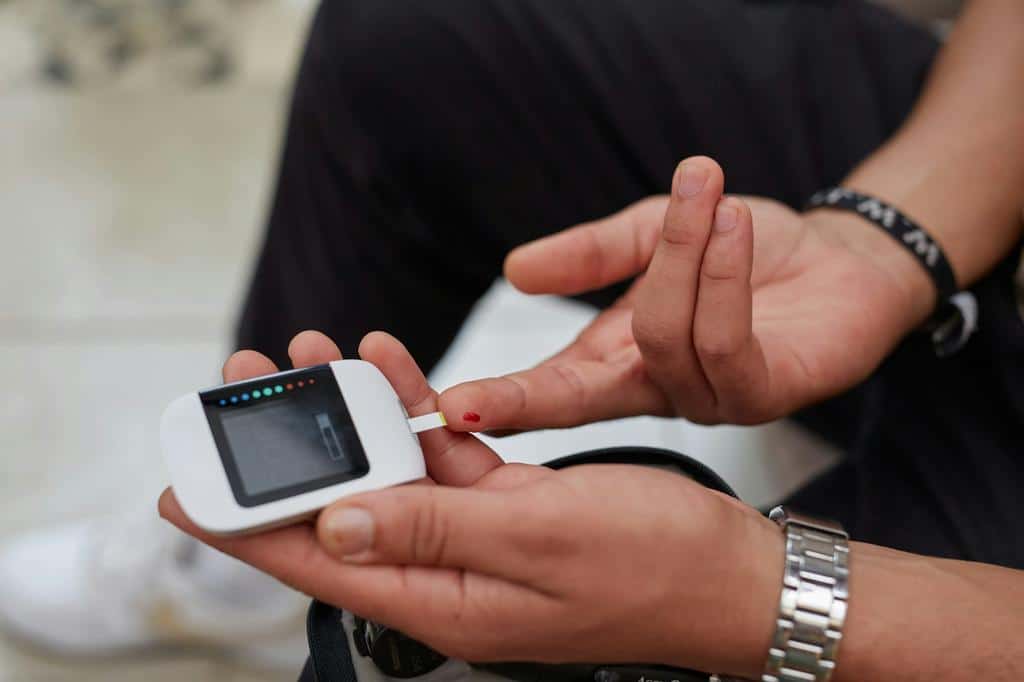
2. Feeling Unusually Thirsty
When your blood sugar levels are high, it makes you feel the need to urinate more often. This happens because your kidneys are trying to remove the extra sugar from your blood. As you urinate more, you lose a lot of fluid, which can make you very thirsty.
If this is new to you, then it could be a sign to make you feel like you’re at risk of diabetes. It’s different from feeling thirsty after eating salty food or exercising. This kind of thirst is more intense and continues even after you drink water. If you notice that you’re always thirsty and going to the bathroom a lot, it could mean your blood sugar levels are high.
3. Slow Healing Wounds
When your blood sugar levels are too high for too long, it can affect your body’s ability to heal itself. Cuts, scrapes, or other wounds might take longer to heal than they normally would. High sugar levels can slow down the healing process because they affect the flow of blood.
Good circulation is important for healing because it helps carry nutrients and oxygen to the wound. Inadequate blood circulation can lead to delayed wound healing.
People with high blood sugar can also get infections more often. This happens because high sugar levels can weaken your body’s defense system. This makes it harder for your body to fight off bacteria and viruses.
Take Charge of Your Health: Watch for Early Signs of Diabetes
Identifying the warning signs of diabetes is crucial for early detection and prevention of serious health issues. Diabetes impacts the body’s ability to convert food into energy, with millions affected globally, many unaware of their condition until complications arise.
However, recognizing symptoms like extreme fatigue, excessive thirst, and slow wound healing can prompt timely medical intervention, potentially averting the onset of diabetes-related complications. By understanding and monitoring these signs, individuals can take proactive steps to safeguard their health and well-being.

