
Medical negligence during childbirth represents a significant concern for expectant parents and healthcare professionals alike. When medical standards are not met, the consequences can be severe, often resulting in birth injuries that impact the health and well-being of both the infant and the mother. Birth injuries caused by negligence can lead to long-term disabilities, emotional distress, and financial burdens for families.
Understanding Medical Negligence and Birth Injuries
The responsibility of healthcare providers is to ensure a safe delivery process by effectively monitoring maternal and fetal health and responding promptly to any complications. Various types of medical misconduct, including failure to recognize fetal distress, improper use of delivery tools, delays in necessary procedures, and medication errors can contribute to these preventable injuries. These represent just a portion of the many cases birth injury attorneys handle to seek justice for victims and their families.
This article will explore five primary categories of medical negligence that can result in birth injuries, emphasizing the importance of accountability and proper care during labor and delivery. Understanding these issues is essential for parents, families, and advocates seeking to promote safety and well-being in childbirth environments. By raising awareness of these critical factors, we can work toward better healthcare practices that protect the interests of mothers and their babies.
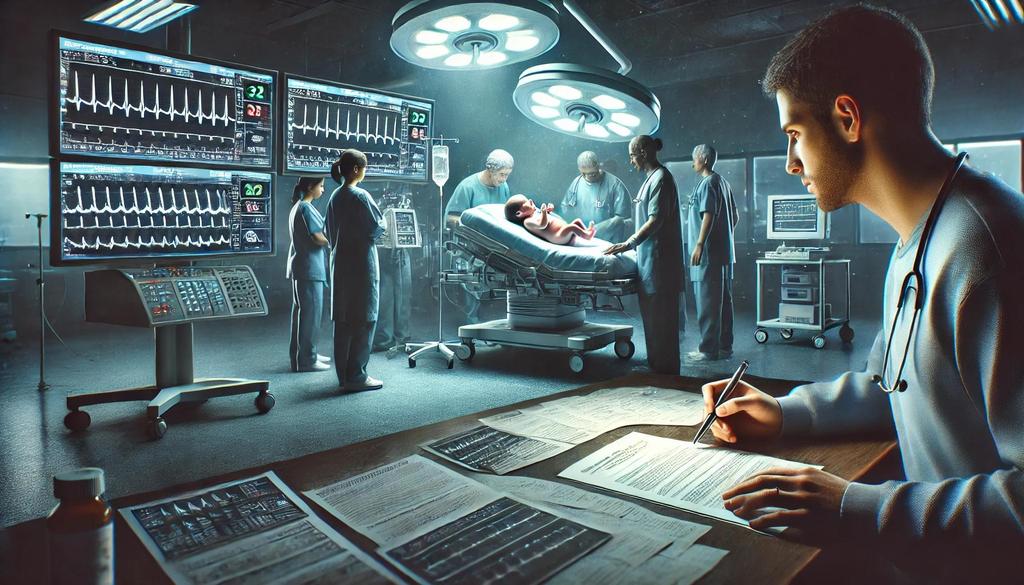
1. Failure to Monitor Fetal Distress
Fetal distress is a critical condition in which the baby’s oxygen supply is compromised during labor or delivery. Any adverse effects on the baby’s health must be treated immediately. However, suppose healthcare professionals fail to monitor fetal distress or recognize its signs and symptoms. This can result in severe birth injuries, such as brain damage and cerebral palsy.
2. Improper Use of Delivery Tools
Healthcare professionals may use delivery tools such as forceps or vacuum extractors when assisting with delivery. However, if these tools are misused or with excessive force, they can result in birth injuries such as nerve damage, skull fractures, or brain hemorrhages. Healthcare providers must be adequately trained and experienced in using these tools to avoid potential harm to the baby.
3. Delayed C-Section
A cesarean section (C-section) is performed when vaginal delivery is not possible or safe for the mother and her baby. In certain situations, a delayed C-section can lead to birth injuries. For instance, if the baby is in distress and a C-section is not performed promptly, it can result in brain damage or other long-term disabilities. Healthcare providers must be vigilant and act quickly when faced with an emergency that requires a C-section.

4. Failure to Identify and Treat Infections
During pregnancy, certain infections can cause harm to the developing baby. If these infections are not identified and treated promptly, they can lead to congenital disabilities or even death. Group B streptococcus (GBS), which can cause severe infections in newborns, and rubella, which can cause congenital disabilities, are among the most common infections during pregnancy. Healthcare providers are responsible for screening for these infections and providing appropriate treatment to prevent harm to the mother and her baby.
5. Medication Errors
The most prevalent birth injury is brain damage due to asphyxiation, which can lead to long-term disabilities such as cerebral palsy. About 3 out of every 1,000 children are affected by cerebral palsy linked to birth injuries.
Medication errors during pregnancy and delivery have the potential to cause significant birth injuries. When a healthcare provider prescribes the incorrect medication or dosage, it can lead to harmful consequences for the baby’s health. Moreover, certain medications are contraindicated during pregnancy because they can adversely affect the developing fetus. It is essential for medical practitioners to thoroughly review the patient’s medical history and identify any possible risks before prescribing any medication. Careful attention to these details can help prevent serious complications associated with medication errors.

Addressing Medical Negligence in Birth Injuries
The impact of medical negligence during childbirth can be devastating, affecting not only the child but also their family for years to come. It is crucial for healthcare providers to adhere to established medical protocols and remain attentive throughout the labor and delivery process to mitigate risks. Continuous monitoring of both maternal and fetal health is imperative, especially in recognizing signs of distress that could lead to severe complications.
Families dealing with the consequences of birth injuries should feel empowered to seek legal recourse when they suspect medical negligence. Understanding the types of medical misconduct that can lead to birth injuries is essential for raising awareness and advocating for safer childbirth practices. Parents must be proactive in educating themselves about their rights and the responsibilities of healthcare providers during delivery.
By addressing issues such as improper use of delivery tools, delayed C-sections, infections, and medication errors, we can promote accountability within the healthcare system. Furthermore, bringing attention to these matters can help drive improvements in obstetrical care, ultimately reducing the occurrence of birth injuries.
If you or a loved one has been affected by a birth injury due to medical negligence, consider consulting with a qualified attorney specializing in this field. They can guide you through the process of seeking justice and potentially securing compensation for the challenges you may face in the future.
Staying informed and advocating for change will lead to better outcomes for mothers and their children, ensuring that every birth is a safe and positive experience.


