
All the solutions we need to avoid catastrophic warming are in our grasp. A new report by nonprofit Project Drawdown says they can be implemented right now, easily, and far cheaper than doing nothing.
Project Drawdown’s mission is to guide us all towards a future where the greenhouse gases in the atmosphere stop climbing and start declining. They refer to this moment of transition as the ‘drawdown’. The report says: “Drawdown is a critical turning point for life on Earth, and we must strive to reach it quickly, safely, and equitably.” To do so, fossil fuel emissions, such as carbon dioxide and methane, must be extracted from the atmosphere; and we also have to stop spewing them into it.

The report, called the Drawdown Review, is a comprehensive analysis of the currently available solutions to the climate crisis. It is based on the work of researchers and scientists around the world, spanning many sectors, from climate science to finance. It outlines 76 solutions, that if implemented in tandem, would allow us to achieve peak carbon dioxide by as early as the mid-2040s.
Co-author and climate scientist Jonathan Foley, who is executive director of Project Drawdown, told the ABC:
We found that when we add together the 80-plus solutions to climate change, and these already exist, we have enough to get drawdown by between the 2040s and the 2060s depending on how decisively we act.

Indeed, the upfront cost could be up to US$26.2 trillion. Still, the plan would result in an estimated savings of up to around US$144 trillion of avoided climate damage and pollution-related healthcare costs.
Chad Frischmann, Vice President of Project Drawdown, explained:
What these results show is the utmost importance of all solutions implemented in parallel. The impacts of these technologies and practices occur only as part of an interconnected, integrated system. It is the implementation of this system of solutions that is the real solution to climate change.
Following a decade of inaction, we are beginning to see the consequences (for example, Australia’s unprecedented summer of fires), and they highlight the urgency of these climate crisis solutions.
The report warns:
The current path we are on is beyond dangerous, and it’s easy to be paralyzed by that perilousness. Yet the possibility remains to change it.
The solutions were organized into the following sectors:
- Energy
- Food waste, agriculture, land rehabilitation
- Industry
- Building efficiency
- Transport
The following three key areas were outlined:
- reducing emission sources
- protecting and increasing the natural systems that cycle these chemicals
- how to achieve these things while simultaneously improving society
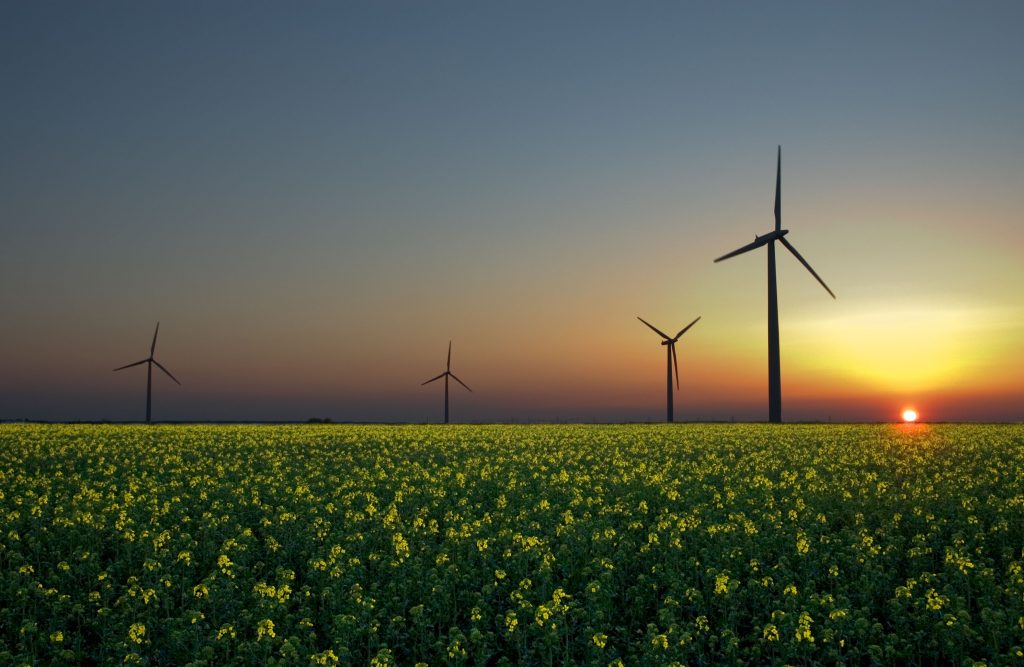
About a third of the solutions involve increasing efficiency in our energy use (like switching to LED lighting and battery storage power, which create nearly immediate savings), with another third on replacing fossil fuels. Meaning, a rapid shift in how we generate electricity is clearly of utmost importance. The report even maintains a role for nuclear in rapid progress towards a carbon-free future, even though it’s a heavily debated topic.
Another big focus point is the preservation and growth of natural carbon sinks. This includes both changing agricultural practices, and protecting ecosystems. The report does acknowledge that this is a highly challenging realm since world leaders around the globe are allowing the destruction of these vital carbon sinks to continue. However, it also offers some input into how to counter this by “building people” power.

The report then goes on to mention often overlooked compelling solutions, such as reducing food waste and providing women with access to healthcare and better education – empowering them to have smaller families.
It also recognizes that facing the climate emergency is a mammoth task, but one that is deeply meaningful and rewarding. The report is a useful guide for communities, individuals, and businesses who are ambitious enough to execute the much-needed changes regardless of the challenges they entail.
Foley told Fast Company:
Business leaders can really step up and lead, not just be followers, not just be pushed by governments, but maybe help shape what regulations could be in the future to take advantage of this new emerging economy. The smart businesses are not going to be just dragged kicking and screaming to a climate-safe future. They’re going to be leading it.
Of course, not everyone will do what they should. However, if enough people take on this challenge, it could still make significant positive progress – regardless of the dominant institutions doing everything to get in the way!


