
Jean Pierre Azañedo, the CEO and co-founder of CoreZero, shares his view on food waste and his personal tips for minimisation that he has accumulated throughout his 20-year career in food waste management.
Approximately one-third of the food produced annually for human consumption is wasted. While most of us are aware that this is a considerable amount, often, these are interpreted as just another set of statistics, so it’s challenging to grasp the gravity of the situation. To put things into perspective, the carbon dioxide emissions that food waste in the United States generates are equivalent to those of 42 coal-fired power plants. In fact, if food waste were a country, it would be as big as Canada and India combined.
That being said, just because this is the current reality does not imply that it will be permanent. As Richard Waite highlighted, “We eat three times a day, so it’s something that we can actually do something about,” so not only is food waste the greenhouse gas emitter that sneaked up on us, but it’s also the one that we can easily tackle. However, for that to be possible, awareness about the impact of food waste on the environment needs to be raised.
How Did Food Waste Sneak Up on Us?
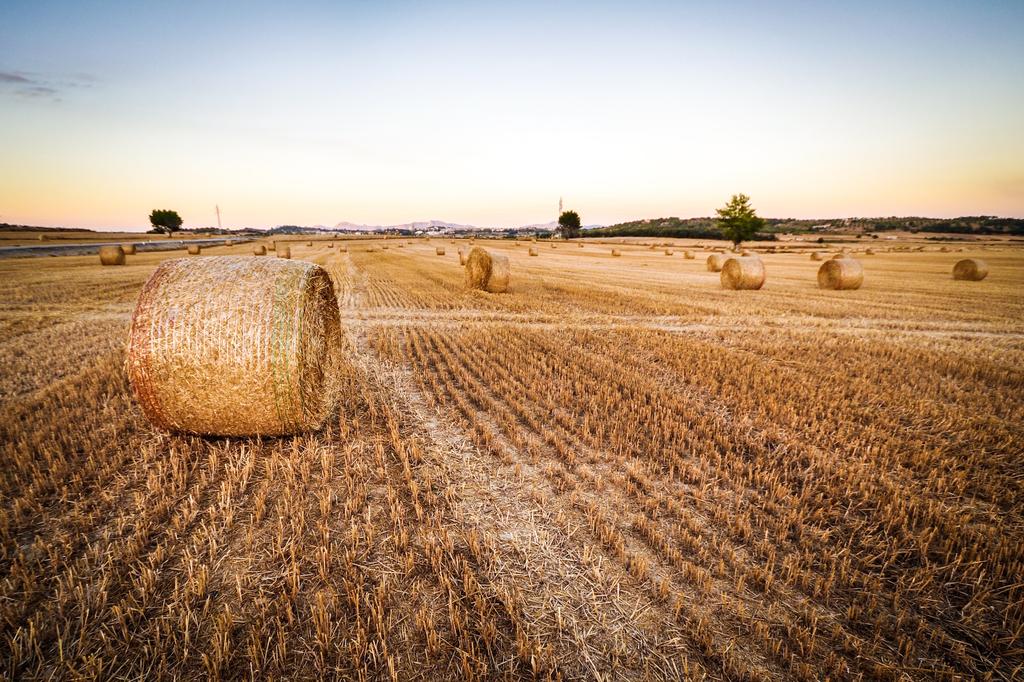
These are just a few factors behind food surpluses, from overproduction to retail practices such as discarding food due to damaged packaging or unmet cosmetic standards. From farm to fork, food is wasted throughout the entire food system. For example, inadequate storage facilities or transportation delays can result in food spoilage or loss. On the other side of the food supply chain, consumers not only often buy more than they need to but also lack an understanding of food storage or management practices.
Cultural Expectations Contribute to The Problem
In fact, in many developed countries, such as the United States or the United Kingdom, the mindset and cultural expectations around food are at the root of this problem. However, waste is subjective, so just because food may be old or unappetising doesn’t mean it’s not worth anything anymore. From using older fruits for smoothies to making bread pudding out of stale bread, the potential for “ugly” food is boundless!

More Action Must Be Taken
Still, despite the impact of food waste on climate change, only a few nations included food loss and waste in their Nationally Determined Contributions to the Paris Agreement. Another reason behind food waste’s “unnoticed” impact on climate change may be the difficulty of measuring it accurately since it occurs at every stage of the food chain and can be caused by various factors. That being said, more and more studies affirm the significant environmental impact of food waste and the urgent need to address it, as food waste is responsible for 10% of greenhouse gas emissions.
The Environmental Impacts of Food Waste
So, we know that one-third of the food produced annually for human consumption is wasted, but how does this impact the environment?
For starters, when food goes to waste, the resources used in its production, processing, transportation, preparation, and storage are also wasted. Not only do all of these generate carbon dioxide emissions, but when food ends up in landfills, it also emits methane. This greenhouse gas has more than 80 times the warming power of carbon dioxide over 20 years. Despite this, the most landfilled and incinerated material in the United States is… food waste.
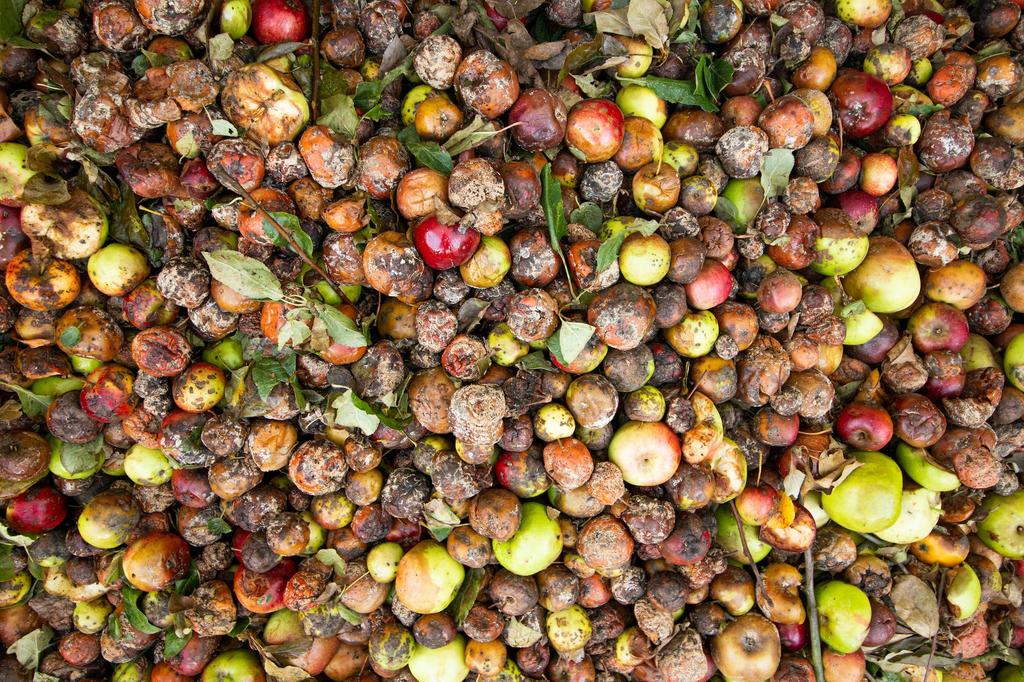
Essentially, uneaten food leads to the waste of resources such as agricultural land, water, fertilisers, and energy while also impacting the environment through greenhouse gas emissions. For instance, the water and energy lost due to food waste in the United States would be enough to supply more than 50 million homes.
The impacts of food waste are ubiquitous: rising global temperatures, biodiversity loss, and food insecurity are just a few of the effects of the food we discard. On the bright side, though the impact of food waste may seem overwhelming, food waste minimisation is accessible while also having massive environmental benefits.
How Can We Reduce Food Waste?
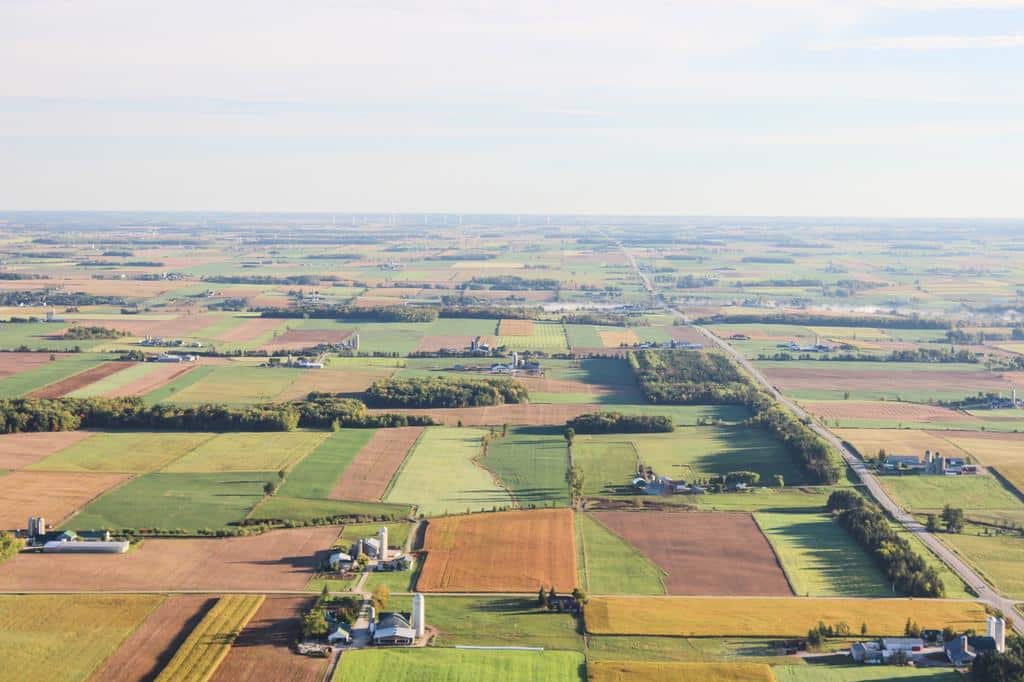
For the 2030 SDGs to be met, food waste and loss need to be halved per person; hence, food waste minimisation must be treated as a priority instead of an option. While reducing food waste is a multifaceted process that requires change along the entire food chain, the food that is wasted in households makes up almost 70% of all United Kingdom food waste.
The food choices we make affect the environment, so here are some changes that each and every one of us can implement to reduce food waste and loss at the household level:
- Analyse your buying habits: From creating meal plans to making shopping lists, being more mindful regarding your grocery shopping habits will not only limit impulse buys and save you money but will also minimise food waste.
- Store food properly: Storing food properly makes a big difference as it will last longer and taste better. For example, fruits and vegetables that rot quickly should be placed in the low-humidity drawer of the fridge.
- Learn about food labelling: Learning the difference between “best before” and “use-by” dates makes a big difference, as the former means it may still be safe to eat.
- Don’t be afraid of “ugly” food and vegetables: While they might not meet arbitrary cosmetic standards, they are nutritious and safe. Besides, they can sometimes be found at discounted prices, and, most importantly, you are preventing them from being discarded.
- Use your leftovers: It’s important to try and cook the right portions. However, that’s only sometimes possible, and leftovers are an excellent solution for those situations. You can freeze your food for later or use it to make a new meal, such as fried rice out of leftover rice.
- Donate surplus food: You can donate excess non-perishable food to food banks or shelters so that you prevent it from going to waste.
- Compost: Food scraps, eggshells, coffee grounds- these are just a few of the items that you can compost. You can compost at home or participate in a community-based composting programme.
Changing the Future of Food Waste
Despite the empirical evidence about food waste’s environmental, social, and financial effects, unconsumed food production is increasing. For instance, over 3 million tons of food that get discarded annually in the United Kingdom is still edible. Meanwhile, over 13 million people in the United Kingdom experience food insecurity.
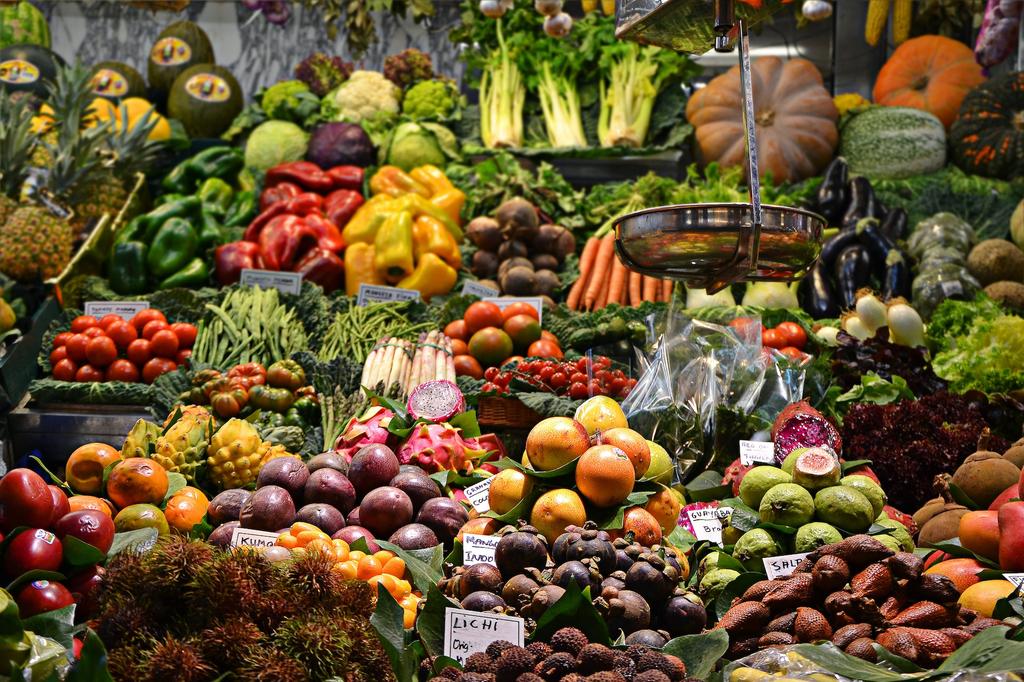
However, just because this is the current reality of food waste doesn’t mean that the future will be just as grim. On the contrary, with awareness regarding food waste on the rise among consumers and more and more technologies reducing waste across the entire supply chain, a more resilient and equitable food system is being consolidated.


