
- A clinical assistant can find employment in diverse settings, from high-volume emergency rooms to specialized private practices.
- Hospital environments offer 24/7 schedules and exposure to acute, complex patient cases requiring immediate attention.
- Outpatient clinics provide predictable weekday hours and the chance to build long-term patient relationships over recurring visits.
- Urgent care facilities blend the fast pace of emergency medicine with the structured approach of an outpatient center.
Exploring various healthcare environments helps you discover which medical specialty aligns best with your long-term career goals.
Are you considering a career in healthcare but wondering exactly where you might spend your days? The role of a clinical assistant offers incredible flexibility, variety, and the chance to make a real difference. These professionals are the backbone of many medical facilities, handling both administrative duties and direct patient care tasks.
If you are asking yourself where do clinical assistants work, the answer is almost everywhere patients receive medical attention. From bustling city hospitals to quiet suburban family practices, the options are vast and varied. This guide will help you understand the different environments available so you can make an informed choice about your future career path.
Understanding Various Medical Assistant Work Environments
Every healthcare facility operates with its own unique rhythm, organizational structure, and patient demographic. The setting you choose will heavily influence your daily tasks and the overall pace of your workday. Some professionals thrive in high-pressure, unpredictable situations, while others prefer a steady, manageable routine.
Evaluating different medical assistant work environments is the best way to figure out where you truly belong. Your choice will shape the clinical skills you develop early in your career. Let’s look at the most common places a clinical assistant might find rewarding employment today.
Exploring Clinical Assistant Jobs in Hospitals
Hospitals are dynamic, 24-hour facilities that treat patients with severe, complex, or acute conditions. For those looking into clinical assistant jobs, hospitals offer a highly active and educational workplace. You will likely spend your shifts on your feet, moving rapidly between different inpatient units or assisting in a fast-paced emergency department.
In a hospital setting, your daily responsibilities might include safely transporting patients, closely monitoring vital signs, and assisting nurses with basic bedside care. You may also be tasked with drawing blood, running EKGs, and managing medical supplies for your unit. The schedule often involves working nights, weekends, or rotating shifts to ensure patients always have coverage.
This environment is excellent for those who want exposure to a wide range of medical conditions and procedures. Working in a hospital teaches you how to stay calm during emergencies and coordinate effectively with a large, multidisciplinary medical team. The hands-on experience gained here is highly valued across the entire healthcare industry.
Building Relationships in Clinical Assistant Outpatient Clinics
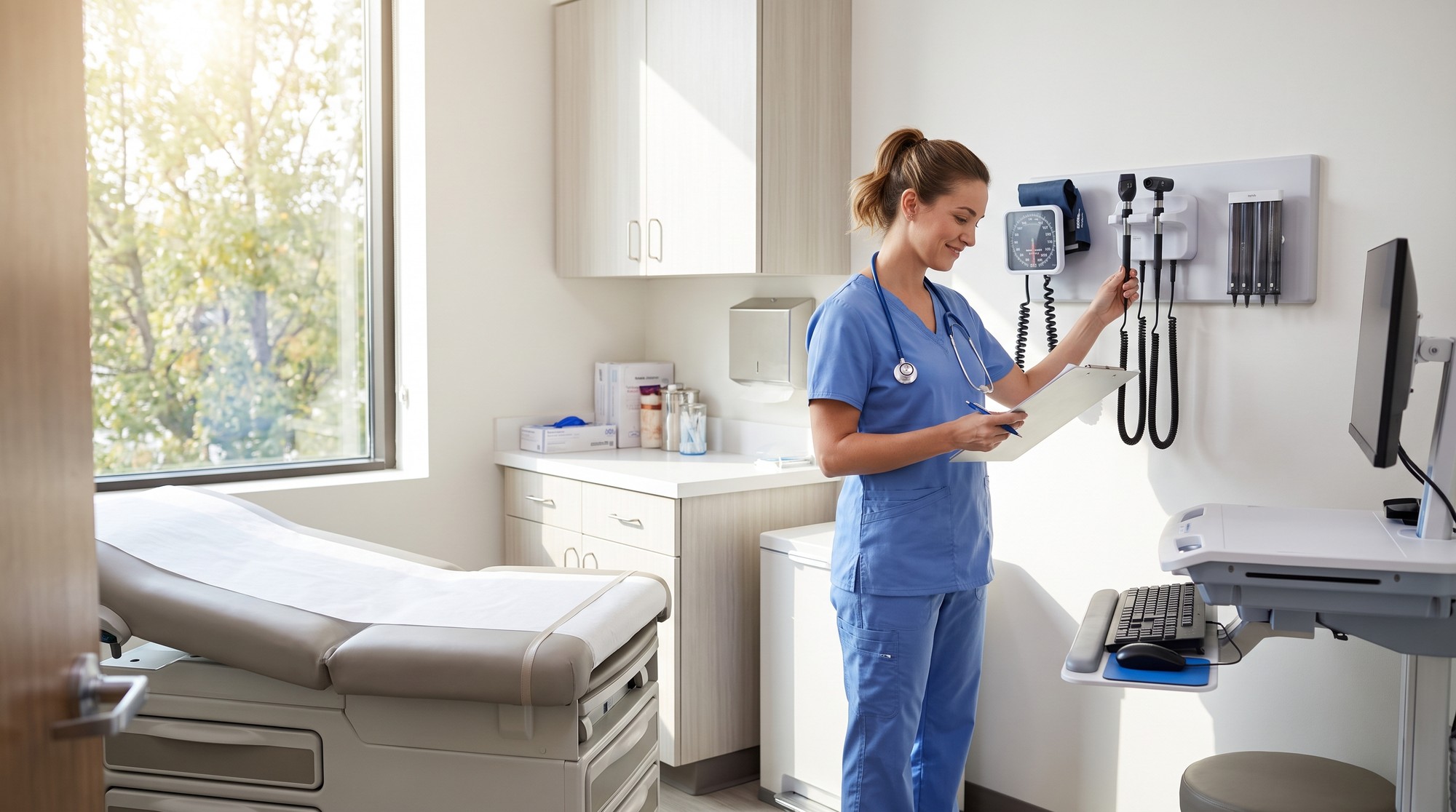
If you prefer a more regular schedule, a private practice or specialized medical center might be the perfect fit. In clinical assistant outpatient clinics, the workday usually follows standard business hours. You will rarely be asked to work overnight shifts or major holidays, making it easier to balance work with family or continuing education.
The focus in outpatient clinics is often on preventative care, routine health check-ups, and managing chronic conditions. A clinical assistant here will meticulously prepare examination rooms, interview patients about their medical history, and assist doctors during physical exams. You might also handle vital administrative tasks like scheduling appointments, answering patient phone calls, and processing insurance information.
This setting allows you to see the same patients repeatedly, building meaningful relationships and trust over time. Whether you work in a general family medicine practice, a busy dermatology office, or a pediatric clinic, you will enjoy a highly structured and predictable environment.
The Fast Pace of Clinical Assistant Urgent Care
Urgent care centers successfully bridge the gap between hospital emergency rooms and standard doctor’s offices. A clinical assistant urgent care setting is characterized by a steady stream of walk-in patients seeking immediate help for non-life-threatening issues. The pace is often faster than a standard clinic, but less intense than a hospital trauma center.
In this environment, you will help treat minor injuries, perform basic diagnostic tests, and administer seasonal vaccinations. You might find yourself assisting with wound care, applying splints, or running rapid strep tests. You must be highly adaptable, as you never know exactly what kind of case will walk through the front door next.
Urgent care centers typically operate with extended hours, meaning you might work some evenings or weekends to accommodate patients after work. This setting is ideal for a clinical assistant who enjoys variety, thinking on their feet, and providing immediate relief to sick or injured individuals.
Other Places Where Do Clinical Assistants Work
Beyond the most common settings, there are several other unique paths you can explore. When people ask where do clinical assistants work, they often overlook specialized or non-traditional facilities. For example, many professionals find rewarding, long-term positions in rehabilitation centers or nursing homes.
In these settings, you assist elderly or recovering patients with daily activities and carefully monitor their ongoing health status. Another growing area is telehealth, where you might help manage virtual appointments, guide patients through remote monitoring tools, and update electronic health records from a central office. Diagnostic laboratories also employ assistants to draw blood, collect specimens, and manage complex sample processing.
Some assistants even work in academic settings, corporate health wellness clinics, or research facilities managing new clinical trials. Opportunities also exist within insurance companies, prisons, and military bases. The versatility of a clinical assistant certification means you are never locked into just one type of workplace, which is among the top benefits of pursuing medical assisting.
How to Choose the Right Clinical Assistant Setting for You
Selecting the best work environment requires you to honestly assess your own strengths, weaknesses, and personal preferences. Do you handle stress well, or do you prefer a calm, organized workspace? Are you looking for the flexibility of varying shift work, or do you require a traditional Monday-through-Friday schedule?
If you are eager to jumpstart your career, researching open clinical assistant jobs in your area can give you a better idea of what is currently available. Take the time to shadow working professionals in different settings if you have the opportunity. This firsthand experience is absolutely invaluable for making a confident, informed career decision.
Remember that your first job does not have to dictate your entire career trajectory. The clinical and administrative skills you learn as a clinical assistant are highly transferable. You can always transition from a quiet outpatient clinic to a bustling hospital setting later on as your personal goals evolve.

Conclusion
A clinical assistant is an essential part of the healthcare system, providing vital support to both medical providers and their patients. Whether you are drawn to the high energy of a hospital, the consistency of an outpatient clinic, or the daily variety of an urgent care center, there is a place for you. Evaluating different medical assistant work environments will help you find the perfect match for your personality and lifestyle.
By understanding your many options, you can step into your new career with confidence and excitement. According to the U.S. Bureau of Labor Statistics, employment of medical assistants is projected to grow 13 percent from 2025 to 2035, much faster than the average for all occupations. The demand for qualified healthcare professionals continues to grow nationwide, making this an excellent time to become a clinical assistant. Choose a setting that motivates you, and you will be well on your way to a fulfilling and successful career in medicine.

