
Food waste is a significant problem. Estimates from the USDA (the United States Department of Agriculture) reveal that 30–40% of the country’s food supply is wasted each year. Food waste depletes many of our natural resources while also contributing to climate change by increasing greenhouse gas emissions.
Fortunately, there are various actions you can take to reduce food waste, including meal planning, buying only what you need, and efficient food storage. Another simple way to reduce food waste, lower your environmental impact, and save money is to use food scraps instead of tossing them away. Listed below are 14 clever ways to use your food scraps.
1. Pickle Watermelon Rinds
Watermelon is a classic summertime treat, but the rinds are frequently discarded with only the fruit’s juicy flesh consumed. However, watermelon rinds can be saved and pickled for a crunchy, satisfying snack.
Like pickling other veggies and fruits, you cook the rinds with sugar, water, vinegar, and salt until they are tender, then store them in the fridge until you’re ready to eat them. Other spices and ingredients, such as cinnamon, cloves, peppercorns, and ginger, can be added to the mix if you’re feeling festive.
2. Use Stale Bread to Make Croutons
There’s no need to throw away a stale loaf of bread. Instead, use it to make some delicious homemade croutons (or feed ducks at a pond).
Cut the stale bread into cubes and mix them with olive oil and seasonings, such as rosemary, onion powder, garlic powder, or black pepper. Then, lay the cubes on a sheet pan and bake for 10–15 minutes at 205°C (400°F), or until golden and crispy.
Homemade croutons are delicious in salads, casseroles, and soups, adding extra flavor and crunch to the meal.
3. Make Fruit Peel Jam
Instead of throwing away the peels of fruits like oranges and apples, keep them to make a delicious fruit peel jam.
How to make homemade fruit peel jam:
- Cook the peels in water for 25–30 minutes.
- Drain the peels.
- Boil the liquid with lemon juice and sugar over high heat.
Once this liquid has cooled, pour it into sterilized jars or cans and store it in the fridge. Fruit peel jam is a tasty addition to yogurt bowls, chia pudding, and other healthy sweets.

4. Make an Air Freshener Using Citrus Peels
Citrus peels absorb scents well, making them a great addition to homemade air fresheners.
Boil citrus peels with water and spices like cloves or cinnamon to instantly freshen up your kitchen. Another DIY option is to scoop out the flesh from fruits like oranges, grapefruit, or limes and fill the rind with herbs, essential oils, and sea salt.
5. Make Homemade Bone Broth
Save your money. Instead of buying expensive bone broth supplements or powdered mixes, make your own bone broth at home using leftover meat bones. Place roasted bones in a big pot with enough water to completely submerge them. Bring it to a low simmer and cover it for 24–48 hours to cook. Then, strain the broth through a mesh sieve, transfer it to jars, and store it in the refrigerator.
Besides being a terrific addition to stews, soup, gravy, and stuffing, bone broth is also a pleasant, comforting alternative to coffee or tea.

6. Sauté the Stems of Leafy Greens
The fibrous stems of leafy greens like collards and kale can be tough to consume. Instead of discarding the stems, preserve them, slice them up into tiny pieces, and sauté them with some olive oil or coconut oil and your choice of seasonings.
In addition to reducing food waste, the stems of leafy greens make a tasty and nutritious side dish.
7. Make Vegetable Stock
Making homemade veggie stock is one of the best ways to use veggie scraps. Place vegetable leftovers in a large pot, fill with water, add herbs and seasonings such as peppercorns or garlic, bring to a boil, then reduce to low heat for 20–30 minutes. The broth should then be filtered through a fine-mesh screen, transferred to a container, and frozen or refrigerated.
You can use your homemade veggie stock for cooking grains or pasta or boost the flavor of stews and soups.
8. Save Radish, Beet, and Carrot Leaves
Most people throw away the leafy greens from root vegetables like radishes, beets, and carrots. However, these greens are edible, nutritious, and incredibly versatile. You can substitute them for other greens in a variety of recipes.
Sauté the leaves for a quick side dish, or toss them into omelets, salads, pasta, soups, hummus, or pesto.
9. Regrow Your Veggies
Many veggies can be regrown by submerging their stems in water, saving you money on groceries, and reducing waste. Green onions, cabbage, leeks, and celery are vegetables that work particularly well.
Cut the stalk’s bottom and lay it in a shallow dish with enough water to cover the roots. While significant growth may take time, you will see progress within only a few days.
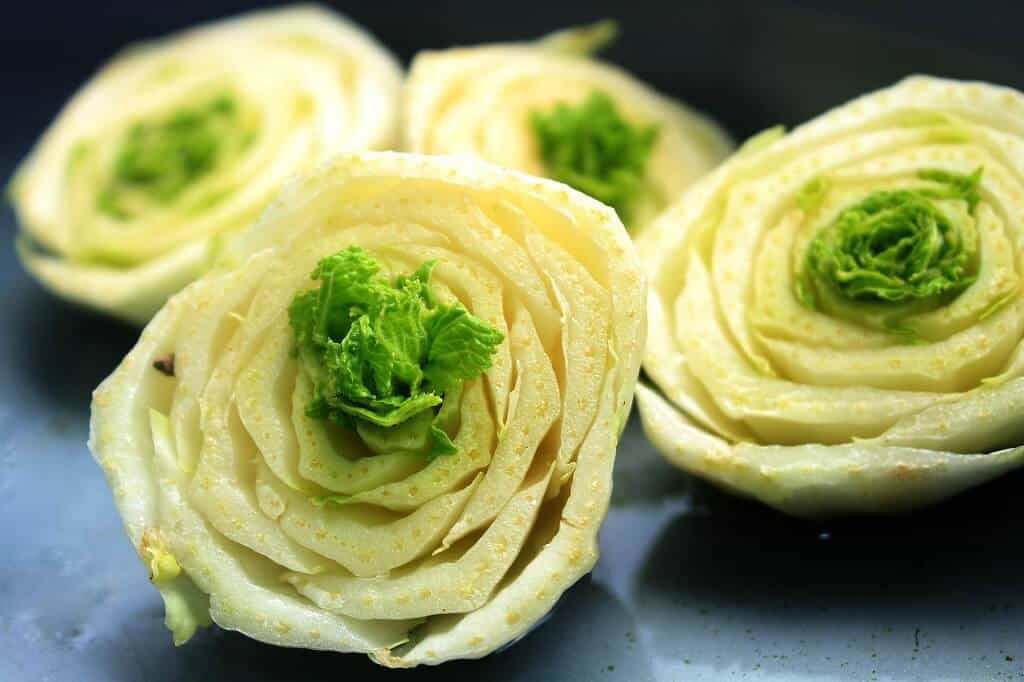
10. Fertilize Your Garden with Used Coffee Grounds
Used coffee grounds are an excellent natural fertilizer for plants and provide organic matter to the soil, which helps them flourish. They also attract earthworms while enhancing your garden’s water retention and drainage.
Sprinkle coffee grounds around your plants or rake them into the top couple inches of soil as fertilizer. Beware: if you apply too much, the grinds will cluster together and prevent water from reaching the bottom soil.
11. Freeze leftover Fresh Herbs
Freeze extra fresh herbs instead of tossing them away. Begin by thoroughly cleaning the herbs, removing the stems, and chopping them up. After that, place them in an ice cube tray, cover them with water, and freeze them for several hours. Then, remove the cubes from the freezer and put them in a plastic bag.
Transfer the cubes to a small bowl when ready to use, wait until the water has melted, then drain and pat the herbs dry.
12. Make Suet from Bacon Grease
Suet is animal fat commonly used in bird feeders to keep birds warm in the winter. Although you may buy suet cakes for your bird feeder, you can also prepare your own at home using leftover bacon or pork drippings.
To remove any contaminants, strain the residual drippings through a fine-mesh sieve. Then, if you want to attract more birds, you can add dried fruit, unsalted nuts, or peanut butter.

13. Freeze Leftover Tomato Paste
Since most recipes call for a little bit of tomato paste, there’s usually plenty left in the can. In addition, you can freeze leftover tomato paste to increase its shelf life rather than throwing it away.
Scoop leftover tomato paste onto a prepared baking sheet with a tiny spoon and freeze until solidified. After around three hours, transfer the scoops to a plastic bag and freeze for up to three months until you are ready to use them.
14. Try Composting
Composting is a fantastic way to put food waste to good use while reducing waste. It entails gathering organic items such as leaves, flowers, twigs, fruit and vegetable scraps, coffee grounds, and eggshells from your kitchen or yard. As this organic matter decomposes, it produces nutrient-dense compost, improving soil quality and encouraging plant development.
You can compost in your backyard or use a kitchen composting appliance to compost indoors. Many cities also have local bins or composting programs where you can dispose of your waste.

In Conclusion
Food waste is a big problem all around the world. Fortunately, there are numerous ways to use your food scraps to reduce food waste and become a more environmentally conscious consumer. To practice sustainability while saving money, try a few suggestions mentioned above.
Finding creative ways to use food leftovers can help diversify your diet while also reducing waste. Don’t be hesitant to try new foods or use pieces of plants you wouldn’t ordinarily use in cooking, such as rinds or stems. You may discover some new favorites!


