
Composting is a great way to recycle food scraps and other organic waste while also providing various environmental benefits, such as:
- Boosting soil health.
- Improving water retention.
- Protecting against erosion.
- Reducing greenhouse gas emissions.
- Recycling nutrients.
Although it may appear complicated, composting is a surprisingly simple process that is fun and rewarding. Even if you have a small apartment, you can compost at home. You can also drop off food scraps at your local composting center to help minimize waste and support sustainability.
This easy-to-follow guide will teach you all you need to know about composting.
What is Composting?
Compost is an organic material that can be added to soil to aid plant growth. To make it, you gather natural ingredients that would otherwise be discarded, like leaves, yard trimmings, and food scraps, and leave them to decay over time.
There are several good reasons to start composting at home. Among them are:
- Reduction of waste. Composting lets you recycle kitchen scraps rather than throwing them away, reducing food waste and lowering your carbon footprint.
- Less reliance on synthetic fertilizers. Unlike many synthetic fertilizers, compost is chemical-free and provides organic material to your soil.
- Soil improvement. Compost aids in the retention of moisture and nutrients in the soil. As a result, it helps to minimize avoid erosion by loosening compacted soil.
What is Compostable?
Before composting, it’s crucial to know which materials you can compost and which you should avoid. While many organic materials can be composted, not all items from your yard or kitchen should be composted. Some items may attract rodents and pests, while others contain harmful chemicals.

You CAN compost the following items:
- Fruit and vegetable peels and scraps.
- Rotten fruit and veggies.
- Houseplant trimmings.
- Tea leaves.
- Coffee grounds and paper filters.
- Nutshells (apart from walnuts).
- Eggshells.
- Hair and fur.
- Napkins, paper towels, and unused toilet paper.
- Paper, cardboard, and shredded newspaper.
- Flowers.
- Leaves.
- Wood chips.
- Grass clippings (lawn trimmings).
- Sawdust.
The following items SHOULD NOT be composted:
- Scraps or bones from fish, meat, and poultry: emit odor and attract pests.
- Dairy products: emits odor and attract pests.
- Walnuts: release a toxin that is harmful to plants.
- Twigs or leaves from black walnut trees: releases a compound that is toxic to plants.
- Charcoal or coal ash: contains compounds that may damage plants.
- Large chunks of wood: will take a long time to decay.
- Fat, grease, and cooking oil: emit odor and attract pests.
- Coffee pods: most contain a little aluminum and plastic and don’t break down naturally.
- Baked goods: may attract pests and increase the growth of harmful bacteria.
- Pesticide-treated lawn clippings: may kill microorganisms required for the composting process.
- Diseased or insect-infested plants: can spread disease.
- Pet waste, like feces or litter: may contain harmful parasites or bacteria.
Here’s How to Get Started Composting:
1. Make Your Compost Pile
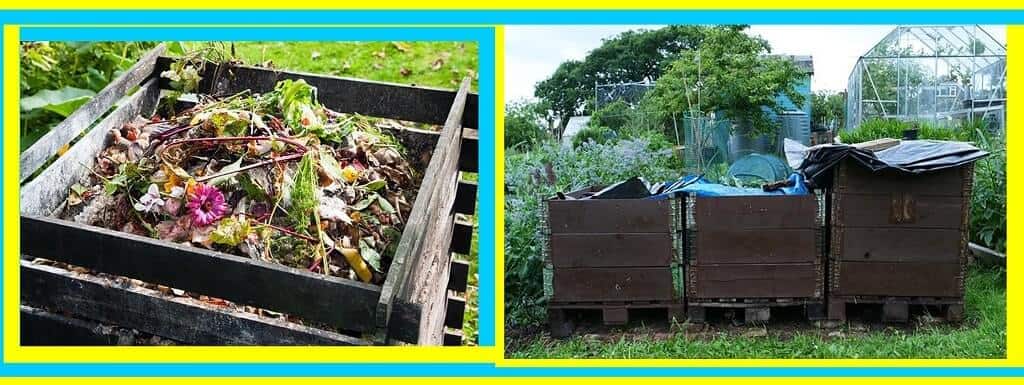
Choosing a location for your compost heap or bin is the first step in composting. Choose an outdoor spot with some shade and adequate drainage. It’s also crucial to choose a location that’s easily accessible but away from animals, such as pets and wildlife.
Your pile should be at least 91 cm (3 feet) wide and tall to be manageable for most gardeners and retain heat. As microorganisms break down organic materials, heat is created throughout the composting process. You can also use a compost tumbler, a container that makes rotating and mixing your composting ingredients easier.
2. Start Adding Materials
Once you’ve chosen a site, you can start adding items to your compost pile. In general, alternating green and brown materials in layers is recommended. For example, food and yard waste are considered “green materials,” while carbon-rich items such as wood chips, branches, straw, and paper are considered “brown materials.”
Although layering isn’t necessary, it can ensure that the appropriate proportion of green and brown elements is maintained for optimal decomposition. To create aeration and drainage, start by adding a 4–8-inch (10–20-cm) layer of bulky brown materials, like twigs, to the bottom of the pile. After that, alternate layers of green and brown items until your bin is full. Finally, make sure you drizzle a little water over each layer to moisten it.
3. Regularly Turn the Pile
To guarantee efficient composting, flip your pile regularly. Then, turn and spin the items using a shovel or pitchfork to help disperse air and moisture evenly. Many factors influence how often you should turn your compost, including:
- The size of the pile.
- The amount of moisture.
- The ratio of green to brown materials.
Flip your pile every 4–7 days as a rule of thumb. As your compost matures, you won’t need to turn it as frequently.
While rain should provide most moisture in your compost pile, you may need to water it occasionally to keep it moist, particularly if it hasn’t rained in a while. If the pile becomes too wet, add more brown materials or flip it more often to eliminate the excess moisture.
4. Using Your Compost
Depending on several factors, such as climate, the size of your pile, moisture levels, and the type of materials used, it can take anywhere between a few weeks to a year for your materials to decompose entirely.
Regularly turning the pile, keeping it damp, and shredding trash into smaller bits can significantly speed up the process. When your compost is ready to use, it should be dark brown and crumbly, comparable to regular soil. It should also smell rich and earthy and clear of large debris chunks.
Compost can be mixed with potting soil, sprinkled over the surface of your garden, or used to replace the mulch. You can also create compost tea by steeping some compost in water for 24–48 hours. Then, filter the liquid and spray it onto plants to provide helpful nutrients and boost your garden’s growth.

Compost Without a Yard
You can compost at home even if you don’t have a yard or access to outdoor space. There are many apartment-friendly composting bins online that you can use to start a mini-indoor compost pile in your refrigerator, under your sink, or in the garage.
You can take your food waste to a composting center once they have accumulated. Local farms and community gardens may also accept compost. On the other hand, composting kitchen appliances may turn food scraps into nutrient-rich fertilizer within only a few hours. Some cities also have composting programs where you can drop off organic waste or recycle it at the curb.
So, you see, composting is simple. It’s an effective way to fight food waste and reduce your environmental impact. It promotes plant growth, prevents erosion, and reduces the need for synthetic fertilizers. So, what are you waiting for? Start composting today!


