
The US is the planet’s second-biggest polluter, following China. Yet, the world’s soil has the potential to virtually wipe the country’s emissions slate clean. All humanity has to do to take advantage of that is protect and replenish the world’s carbon stores and adopt some simple agricultural practices. There’s even a slew of new sensors nowadays for the more technologically savvy farmers, which help by monitoring soil health and more.
The reward would be up to 5.5 billion tons of greenhouse gases being drawn out of the sky and into the ground yearly. As a bonus, the soil-based natural climate solutions benefit wildlife, water retention, which minimizes the risk of floods, and food production because the soil is more prosperous.
You can learn more from climate change podcast series that are available to download or stream online. Podcasts have become increasingly popular in recent years, and now countless podcasts are covering various topics related to climate change.
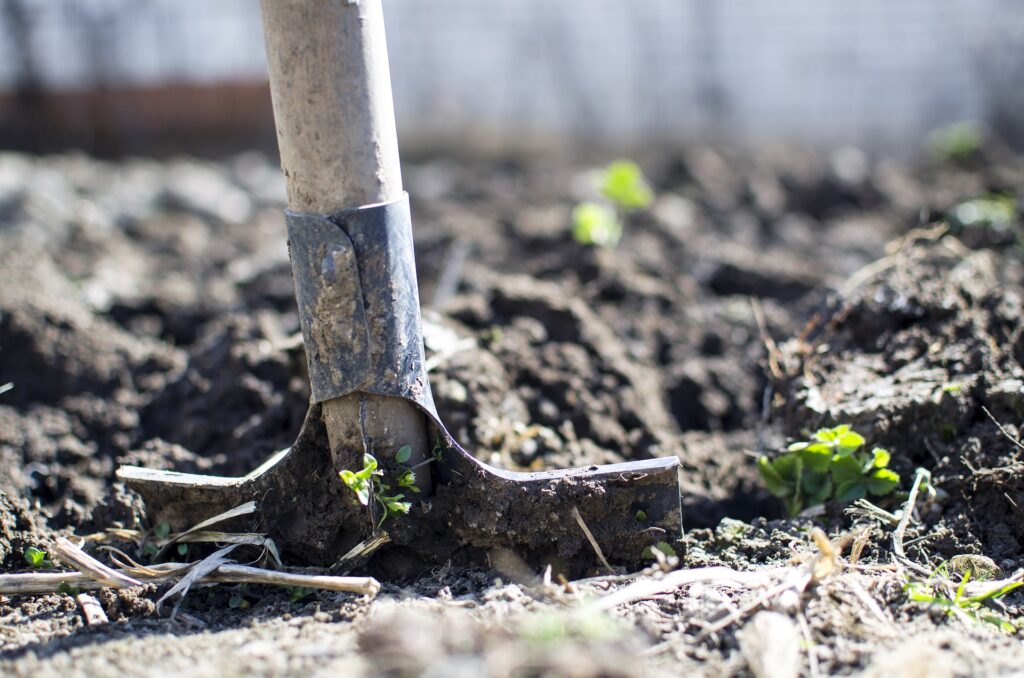
There is three times as much carbon in the top meter of soil covering the planet as there is in the atmosphere. That dirt is as much a significant carbon sink as the trees and oceans. When dead plant matter falls to the floor, the soil soaks up the carbon. When trees and other vegetation absorb CO2 from the air, it’s passed to the ground when roots and leaves die and decompose.
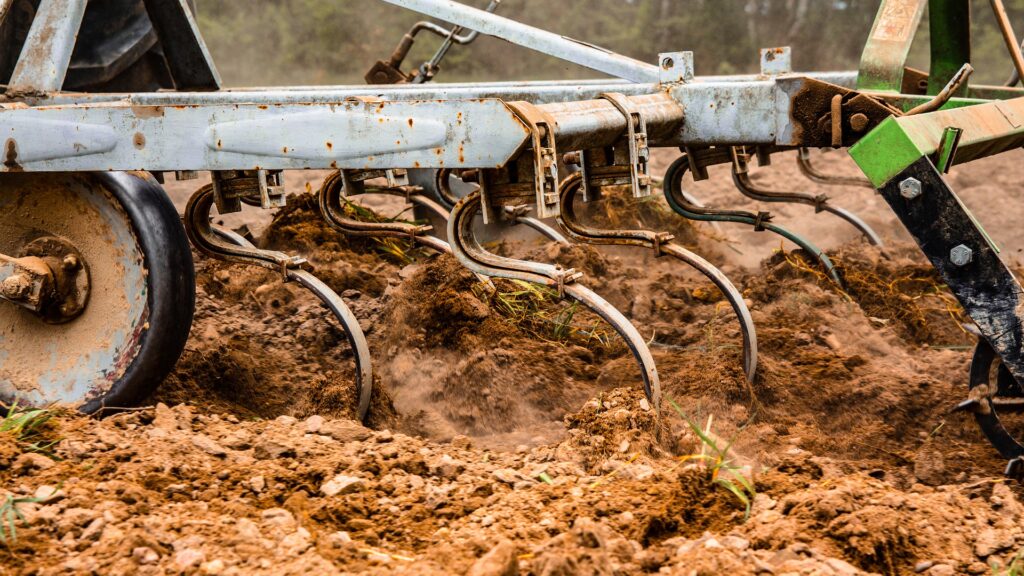
However, the carbon can be released from the soil. That happens naturally, but human activity, such as agriculture, is making it happen much faster. That’s why a team of scientists published an analysis on March 16, 2020, regarding how to protect and replenish the soils in natural landscapes and agriculture.
The study’s lead author, Dr. Deborah Bossio, a lead soil scientist at the Nature Conservancy, an environmental NGO that advocates for nature-based solutions to climate change, tells Carbon Brief:
“I talk about soil as being the forgotten solution. What we’re really trying to emphasize is that soil is important, and so it should not be ignored, but also not exaggerated.”

The majority of soil’s carbon offsetting potential (40%) would come from protecting existing soil carbon stores—which include the world’s forests, wetlands, and peatlands. Just by protecting forests and reforestation, 1.2 billion tons of CO2 could be offset yearly. Forest soils also absorb methane. Meanwhile, the ground of wetlands is twice as carbon-rich as rainforests. And peatlands hold up to a third of the planet’s soil carbon—even though they cover just 3% of its surface.

The other side of the coin is agriculture-based soil carbon techniques. Some such practices with vast potential include cover cropping (planting crops to cover soil) and spreading rock dust or biochar—carbon-rich charcoal that can boost soil carbon storage when sprinkled on land. Farmers can also use seeds coated in microbes, which help the plant absorb more carbon. And it turns out one of the oldest techniques in the farming toolkit is quietly working in the farmers’ favor on carbon, too. Spreading crushed limestone to correct soil acidity has been written off as an emissions source for decades, but a Yale study found it has actually been a net carbon sink since 1900, removing somewhere between 300 and 400 million metric tons of CO2 from the atmosphere across the Mississippi River Basin.
Bossio said:
“Protecting what’s still in the ground and rebuilding the soil carbon in our agricultural systems is pretty much a no-brainer, because of all the multiple benefits that we get. In a lot of our farming systems, soil carbon levels are at a state where, if you improve them, you get benefits in terms of water regulation, water quality, stabilizing production and resilience in the systems.
[However], there’s a lot of barriers right now to change in our agricultural systems. One of the biggest is disincentives in agricultural policy. There’s also a lack of knowledge about changing current practice. We tell farmers’ just plant cover crops’ – but that means a farmer needs to know when to plant them, which to plant and how to manage them. We need to be removing the disincentives in our current agricultural support systems…so farmers could be acknowledged for a range of societal benefits that they can provide.”

An even more recent article (published July 27, 2020) by Cornell University experts recommends that scientists should develop new models that focus on the carbon-storage processes. Such models could help people more effectively use soil’s carbon-capturing abilities to draw down the greenhouse gas from the atmosphere. They write that sometimes soil microorganisms can’t make use of the carbon depending on the conditions.
The team argues that with a better understanding of how sequestration works, methods could make use of soil microorganisms in the fight against climate change and so much more. The scientists could present such models at the United Nations Intergovernmental Panel on Climate Change (IPCC) assessments so the valuable information could be shared worldwide, and soil scientists can devise better management methods to reduce atmospheric carbon.


