
Carbon sinks around the world, including the Amazon rainforest, face a dangerous future, pressuring scientists to find ways to curb the buildup of carbon dioxide (CO2) in the atmosphere. A new study led by the University of Sheffield (UOS) suggests that sprinkling rock dust onto farmlands could suck billions of tons of CO2 from the air per year and help meet global climate targets.
The rock dust approach, called enhanced rock weathering (ERW) is a technique designed to reduce the amount of carbon dioxide in the atmosphere. As rocks break down in the environment, they naturally absorb CO2. The ERW method accelerates this process by turning them into rock dust to increase their surface area, then adding the powder to soils to supercharge the sequestration process.
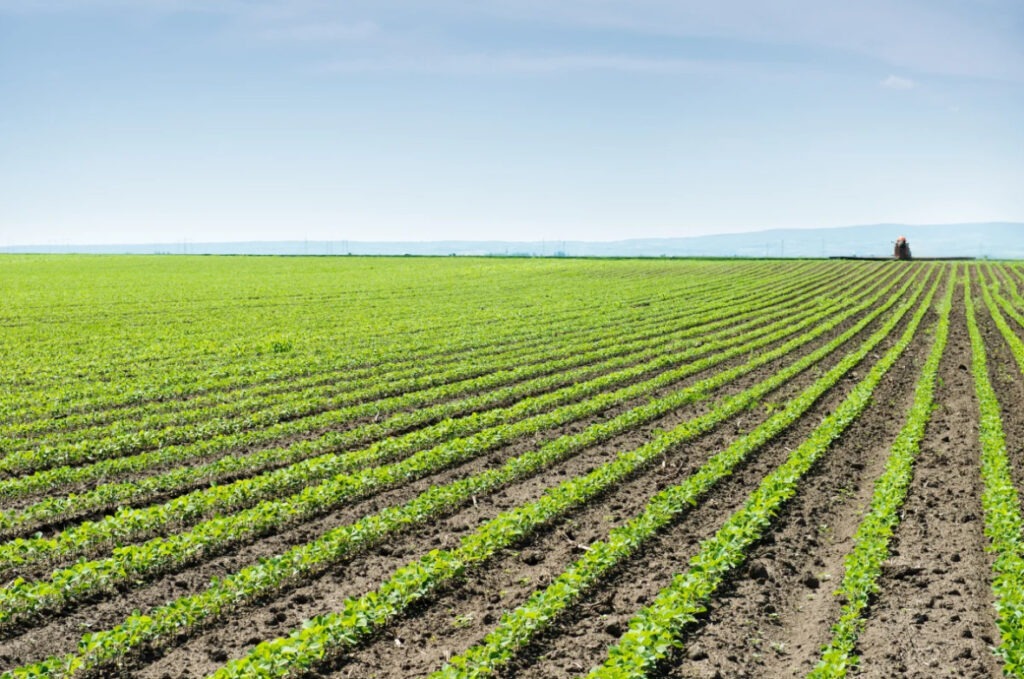
The UOS team has completed what it claims to be the first nation-by-nation analysis of what this method could achieve and how much CO2 it could capture if applied to the world’s croplands. Through its assessment, the team found that ERW could draw as much as two billion tonnes of global CO2 from the air each year, which is around 50% of Europe’s current total emissions.
The world’s biggest polluters, the US, India, and China, have the highest potential for ERW, as they have vast areas of cropland and reasonably warm weather, which enhances the chemical reactions. The researchers believe those countries can remove up to one billion tons of CO2 per year alone.
The researchers say the pulverized rocks can come from waste materials produced by various industries, and many mines already produce dust as a by-product; therefore, stockpiles already exist.
Basalt is preferred for ERW because its the best rock for capturing CO2, as it contains the calcium and magnesium needed to obtain it. As a bonus, basalt also comprises silica and nutrients such as iron and potassium, which are often scarce in intensively farmed soils.
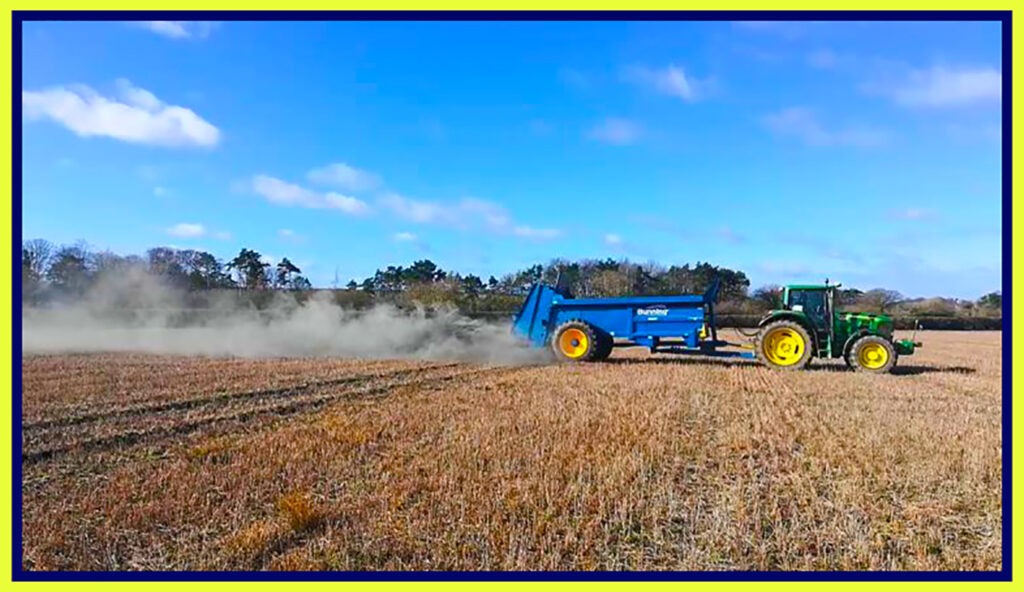
The technique should be easy to deploy because farmers already add agricultural limestone dust to the soil to reduce acidification, and adding another rock dust could be part of their routine, as desired.
Prof. Steven Banwart, a partner in the study, explained:
The practice of spreading crushed rock to improve soil pH is commonplace in many agricultural regions worldwide. The technology and infrastructure already exist to adapt these practices to utilize basalt rock dust. This offers a potentially rapid transition in agricultural practices to help capture CO2 at a large scale.
The UOS team published their findings on July 8, 2020, in the journal Nature.


