
Worms fail to thrive in earth containing microplastics; new research has shown, adding to the growing body of evidence of impacts from the increasingly widespread contaminants on the natural world.
To add to the mounting pile of different reports showing how microplastics are damaging to the natural world is a new study regarding worms. The research found that worms fail to thrive on earth contaminated with microplastics. The worm on the spotlight is a rosy-tipped earthworm called Aporrectodea rosea. It is one of the most commonly found in farmland in temperate regions. Modern farming practices, land development, and pollution are threatening the health of our planet and contaminating the soil. Practices like contaminated soil removal can efficiently help in keeping the environment safe.
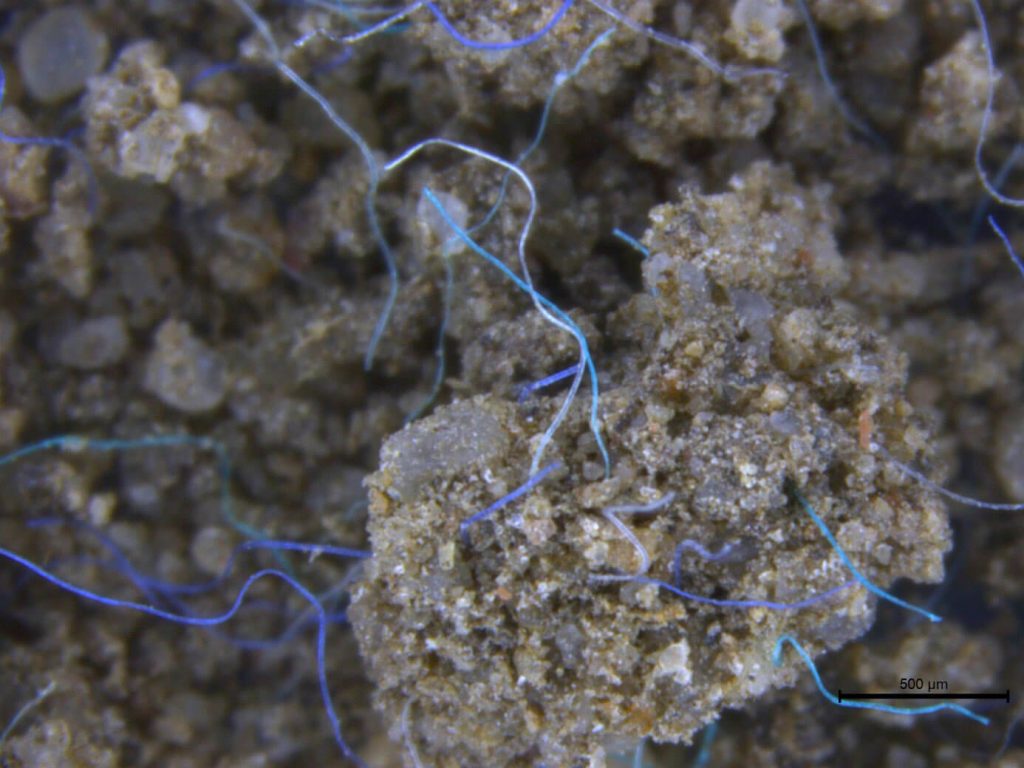
The Study
- For this experiment, the scientists used the Aporrectodea rosea earthworm.
- They split all the worms they had into two groups. They put some worms in soil loaded with high-density polyethylene (HDPE) – a common plastic used for bags and bottles – and the rest (the control sample) in similar soil without HDPE.
- They left them in the soil for 30 days.
The Results
- After the month was up, the worms in the soil contaminated with microplastics lost about 3% of their body weight. The control sample worms, on the contrary, put on 5% in body weight over the same period.
- The specific reasons for the weight loss were not clear, but they hypothesize that it could be the cause and effect of microplastics on the worms’ digestion.
Bas Boots, lecturer in biology at Anglia Ruskin University and lead author of the study, said:
“These effects include the obstruction and irritation of the digestive tract, limiting the absorption of nutrients and reducing growth.”
The research has been published in the journal Environmental Science and Technology.
Conclusion
Many studies are currently being conducted that focus specifically on the effects of microscopic particles of plastics on invertebrates and fish. This was one of them. The fact that the worms are negatively affected in some way to the contamination is not a good sign because worms are a vital part of the farmland soil ecosystem. So far, in the other studies on invertebrates and fish, researchers have found that microplastics cause harm to aquatic lugworms and possibly fish, coral, and mollusks.
The exact extent of contamination across the globe is still unknown, but soils in many places are likely to harbor large numbers of microplastics deposited there from their presence in sewage, in water, and in the air. European studies have reported anything between 700 and 4,000 plastic particles per kilogram of soil in some agricultural land.


