
Kale reigns first among the superfood greens. It is one of the most nutritious and healthiest foods available. In addition, kale contains various beneficial compounds, some of which have potent medicinal properties.
Here are some scientifically supported health benefits of kale that will make you want to eat more of it.
1. Nutrient-Dense
Kale is a popular cruciferous vegetable that belongs to the cabbage family. Other cruciferous vegetables include broccoli, cauliflower, cabbage, Brussels sprouts, and collard greens.
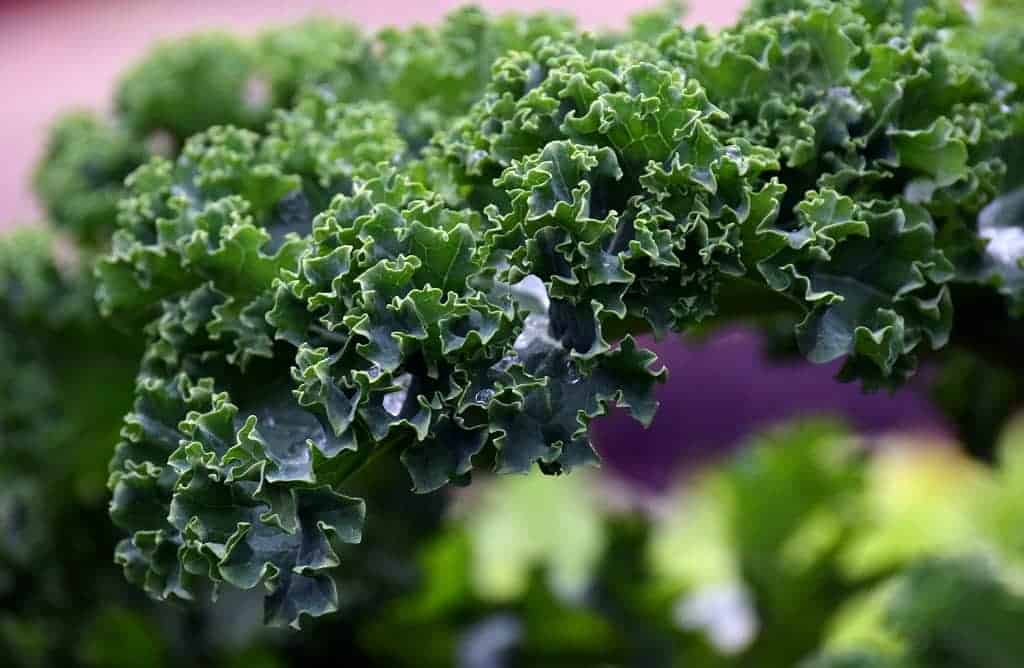
Kale comes in numerous varieties. The leaves can be either purple or green and have a curly or smooth shape. Scots’ kale, also known as curly kale, is the most common type of kale, with green curly leaves and a stiff, fibrous stem.

One cup of raw kale (about 2.4 ounces or 67 grams) provides the following:
- Vitamin K: 684% of the DV
- Vitamin C: 134% of the DV
- Vitamin B6: 9% of the DV
- Vitamin A: 206% of the DV (from beta-carotene)
- Calcium: 9% of the DV
- Magnesium: 6% of the DV
- Potassium: 9% of the DV
- Copper: 10% of the DV
- Manganese: 26% of the DV
- It also contains 3% or more of the DV for iron, phosphorus, vitamin B1 (thiamin), vitamin B2 (riboflavin), and vitamin B3 (niacin)
A cup of raw kale also comes with 33 calories, 3 g of protein, and 6 g of carbs (2 g of which are fiber). While kale contains a small amount of fat, a large portion of its fat is an omega-3 fatty acid known as alpha-linolenic acid.
Kale is one of the most healthy, nutrient-dense foods on the planet, thanks to its highly low-calorie count. As a result, consuming extra kale is an excellent way to boost your diet’s total nutrient content.
2. Loaded with Powerful Antioxidants
Like other leafy greens, kale is rich in antioxidants, including vitamin C, beta-carotene, and several flavonoids and polyphenols. Antioxidants are chemicals that help the human body fight oxidative damage caused by free radicals. Many diseases, including cancer, are accelerated by oxidative damage.
However, many antioxidants also serve other crucial functions. The flavonoids kaempferol and quercetin, which are found in relatively high concentrations in kale, are among them. These chemicals have been intensively investigated in test tubes and on animals. They have potent anti-inflammatory, heart-protective, blood pressure-lowering, anti-viral, anti-cancer, and anti-depressant properties, to name a few.
3. Rich Source of Vitamin C
Vitamin C is a water-soluble antioxidant with many vital roles in the body’s cells. For example, it is required to create collagen, the body’s most abundant structural protein.
Kale is one of the most excellent sources of vitamin C on the planet. Kale has more vitamin C than most other veggies, containing roughly 4.5 times more than spinach. One cup of raw kale even has more vitamin C than an orange!
4. May Reduce the Risk of Heart Disease
Cholesterol serves many significant roles in the body. For example, it is used to create bile acids, which are chemicals that aid in fat digestion. When you consume a fatty meal, your liver converts cholesterol into bile acids, released into your digestive tract.
When all of the fat is digested, the bile acids are reabsorbed into the bloodstream and used again. Bile acid sequestrants are substances that bind to bile acids in the digestive tract and prevent them from being reabsorbed. This lowers overall cholesterol levels in the body.
Kale has bile acid sequestrants, which can help to decrease cholesterol levels. Over time, this could contribute to a lower risk of heart disease. According to one study, drinking kale juice every day for 12 weeks lowered LDL cholesterol by 10% and increased HDL (the “good”) cholesterol by 27% while also boosting antioxidant status.
Another study found that steaming kale significantly boosts the bile acid-binding effect. In addition, steamed kale is 43% as effective as cholestyramine, a cholesterol-lowering medication with a similar mechanism of action.
5. Excellent Source of Vitamin K
Vitamin K is an essential vitamin. It serves a vital role in blood clotting by “activating” particular proteins and allowing them to bind to calcium. Conversely, warfarin, a well-known anticoagulant, acts by inhibiting the activity of this vitamin.
Kale is one of the most significant sources of vitamin K, with a single raw cup providing about seven times the daily recommendation. Kale contains vitamin K1 rather than vitamin K2. Fermented soy meals and some animal products contain K2. K1 helps prevent osteoporosis and heart disease.
6. Contains Cancer-Fighting Substances
Cancer is a disease that is defined by uncontrolled cell proliferation. Fortunately, kale contains several chemicals that are believed to have cancer-fighting effects. Sulforaphane is one of them, a compound that has been shown to help prevent cancer at the molecular level.
It also contains indole-3-carbinol, a chemical believed to aid in cancer prevention. Although the evidence in people is inconsistent, studies have indicated that cruciferous vegetables (such as kale) may reduce the risk of certain cancers.

7. High in Beta-Carotene
Kale is often touted as having a high vitamin A content; however, this isn’t entirely true. It contains a lot of beta-carotene, an antioxidant that the body can convert to vitamin A. As a result, kale can be an efficient approach to boosting your body’s levels of this vital vitamin.
8. High in Minerals That Most People are Deficient In
Kale is an excellent source of minerals, which many people are deficient in. For example, kale is high in potassium, a mineral that helps the body’s cells maintain electrical gradients. Sufficient potassium intake has been associated with lower blood pressure and a reduced risk of heart disease.
Kale is a great plant-based source of calcium, which is essential for bone health and is involved in various cellular activities. It also contains magnesium, a vital mineral that most people don’t receive enough of. If consumed sufficiently, magnesium may also protect against heart disease and type 2 diabetes.
One of the main reasons to choose kale over other leafy greens like spinach is its low oxalate levels, a chemical present in some plants that can hinder the absorption of nutrients.
9. Lowers Risk of Developing Eye Diseases
Eyesight decline is one of the most typical side effects of aging. Fortunately, there are many potent nutrients in kale that can help prevent this. The carotenoid antioxidants zeaxanthin and lutein, which are abundant in kale and other foods, are two of the most important. Studies have demonstrated that people who consume enough zeaxanthin and lutein have a lower risk of cataracts and macular degeneration, two common eye illnesses.
10. Aids Weight Loss
Kale has various qualities that make it an excellent weight-loss food. It has a low-calorie count yet still has enough bulk to make you feel full. In addition, kale has a low energy density due to its high water and low-calorie content. Numerous studies have shown that eating low-energy-density foods will help you lose weight.
Protein and fiber are also found in kale. They are two particularly crucial nutrients when it comes to losing weight. While no studies have directly tested kale on weight loss, it seems reasonable that it could be a highly beneficial addition to a weight loss diet.
The Bottom Line
Fortunately, incorporating kale into your diet is straightforward. It can be tossed into soups and salads or used in recipes. For example, kale chips are a trendy snack. They are made by drizzling extra virgin olive oil or avocado oil over kale, seasoning it with salt, then baking it till dry. It tastes fantastic and is a great crunchy, healthful snack. In addition, many people mix kale in their smoothies to increase their nutritional content.
Kale is unquestionably one of the world’s most nutritious and healthiest foods. So, if you want to increase your nutrient intake significantly, consider eating a lot of kale.


