
If you’re like most people, then there’s a good chance that at some point in your life you have had to put up with the disappointment of discovering that your food has spoiled after being stored incorrectly. This can be caused by several different things, from leaving food out in the open or the incorrect temperatures to not using the right storage methods. Fortunately, there are a few things that you can do to help minimize the chances of this happening. In this article, we will give you some simple tips that will help you keep your food fresh for longer and help to avoid any disappointment or waste.
Freeze Leftovers Immediately
If you have cooked too much food or have leftovers, it’s important to freeze them as soon as possible. The sooner you freeze the food, the better, as this will help to preserve the nutrients and prevent bacteria from growing. When the food is left outside for a longer period, different types of contamination in food can occur. From package integrity to temperature fluctuations, many things can go wrong. The same cold-chain logic applies in other contexts too; for example, using a floral cooler to keep your flowers fresh helps protect quality by controlling temperature and humidity while you prep or clean up.
However, it’s important to make sure that your leftovers are cooled completely before freezing them. This is because if the food is still warm, it will start to produce ice crystals while cooling down, which can damage the cells and cause the food to spoil more quickly. Once the food is cooled, you can then portion it into individual servings and wrap it tightly in freezer bags or aluminum foil. Make sure that you remove as much air from the packaging as possible, as this will help to prevent freezer burn. It’s also a good idea to portion out the food before freezing it, as this will make it easier to defrost and cook later on.
Check the Temperature
One of the most common causes of food spoilage is improper storage temperature. This is why it’s so important to make sure that your refrigerator and freezer are set at the correct temperatures. The fridge should be kept at around 40 degrees Fahrenheit, while the freezer should be set somewhere between 0 and 5 degrees Fahrenheit. Anything outside of these ranges can cause your food to spoil more quickly.
However, different food items require different storage temperatures. For example, most fruits and vegetables should be kept in the fridge, as they will spoil quickly at room temperature, while meat and poultry should be kept in the freezer. But there are some exceptions to this rule, such as tomatoes, bananas, and avocados. These items are best kept out of the fridge, as the cold temperature can cause them to lose their flavor. If you are not sure about the best storage temperature for a particular food item, try checking the packaging or contacting the manufacturer. You can also find some useful information online, so make sure to do your research.
The temperature will depend on what you want to do with your produce, whether it’s preserving freshness or extending shelf life. Knowing how to dehydrate frozen vegetables the correct way can help you store them for longer periods while retaining their nutritional value. Dehydration removes moisture, preventing spoilage and making vegetables easier to store without taking up freezer space. This method is especially useful for meal prepping, camping trips, or simply reducing food waste in your kitchen.
Use the Correct Storage Containers
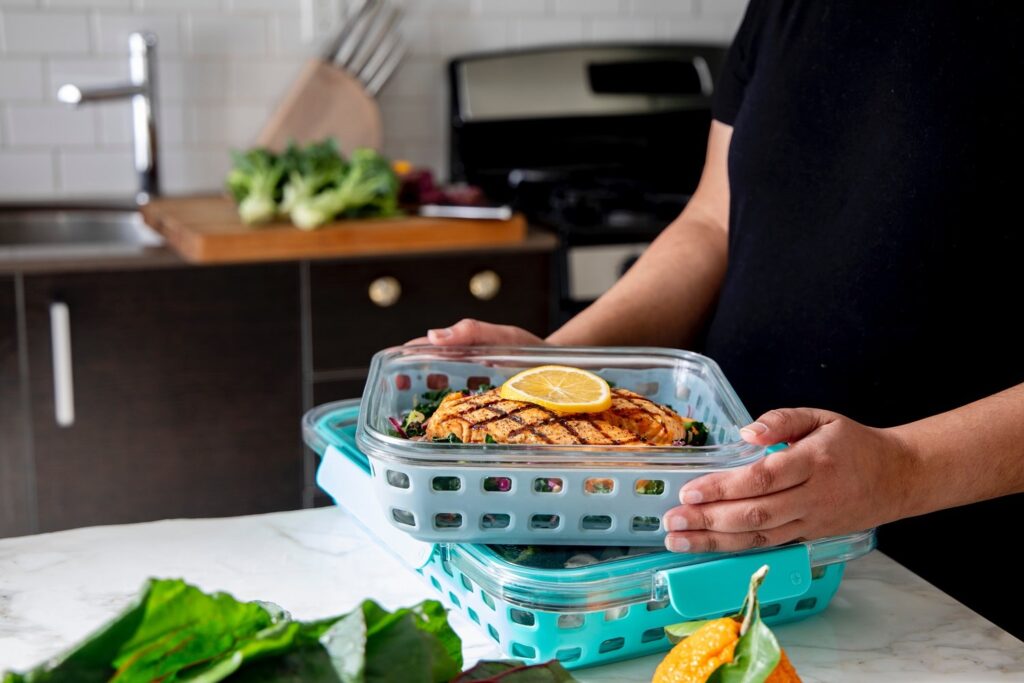
The type of container that you use to store your food can also affect how long it will last. This is particularly true for fresh fruits and vegetables. If you store these items in airtight containers, they will last much longer than if you just leave them in their original packaging. The best containers to use are the vacuum-sealed type, as they will remove all the air from it and prevent any oxygen from getting in. This is important because the lack of air will help prevent the majority of harmful bacteria from growing.
It’s also important to make sure that your storage containers are clean and free of any contaminants before you use them. This can be done by washing them in hot, soapy water and then rinsing them thoroughly. You can also sanitize them by using a solution of alcohol and water. Just be sure to let them dry completely before using them.
Use a Food Vacuum Sealer
A food vacuum sealer is a great way to help keep your food fresh for longer. This type of appliance uses a vacuum pump to remove all the air from the packaging, which helps to prevent bacteria from growing. It’s also a great way to save space, as you can pack more food into each container, and it may prolong the shelf life of your food, as it can keep food fresh for up to 5 times longer than if it were stored in its original packaging.
If you don’t have a food vacuum sealer, you can still get the same benefits by using Ziploc bags or Mason jars. Just make sure that you remove all the air from the bag or jar before sealing it. You can do this by using a straw to suck out the air. However, keep in mind that this method may not be as effective as using a food vacuum sealer.
Follow the First In, First Out Rule
This rule is especially important if you own a business that sells food, such as a restaurant or grocery store. It’s also a good rule to follow if you have a lot of food in your home, as it will help ensure that you are using the oldest food first and that nothing goes to waste. The rule is simple: when you get new food, put it at the back of the storage area, and then bring the older food to the front. This way, you are more likely to use the older food before it has a chance to spoil. It might seem like a lot of work, but it’s worth it to prevent food waste.
Don’t Overload Your Fridge or Freezer
If you have a lot of food in your fridge or freezer, it’s important to make sure that the items are spaced out evenly. If you pack the fridge or freezer too full, the air won’t be able to circulate properly, and this can cause the food to spoil more quickly. Therefore, always try to leave some space in your fridge or freezer, as this will help to keep the temperature consistent. This will help ensure that nothing goes to waste and that everything stays as fresh as possible.
It can be difficult if you have a lot of different types of food in one area, but it’s important to try to keep things organized. You may use clear storage containers so that you can see what’s inside and also label them with the date that the food was stored so you know when it needs to be used.
As you can see, there are many different ways that you can store your food to make it last longer. By following these helpful tips, you can help to preserve the nutrients in your food and prevent bacteria from growing, which will result in reduced food waste and also save you money. So next time you’re cooking a meal or preparing snacks for the week ahead, make sure to keep these tips in mind and put them into practice.


