
As we delve deeper into the digital age, our job roles, academics, and entertainment have predominantly shifted from tangible paper to screens. Regardless of age, from reading newspapers to managing company ledgers, digital screens have almost entirely replaced the use of paper. While this transition has positive implications for environmental conservation and human progress, it also brings forth negative impacts, particularly on the human body.
Thankfully, science has devised various solutions to mitigate these detrimental effects. An example of such a discovery is the introduction of blue light glasses. Now, let us delve into the scientific principles behind these specialized glasses and learn about when to wear blue light glasses.
Understanding Digital Eye Strain
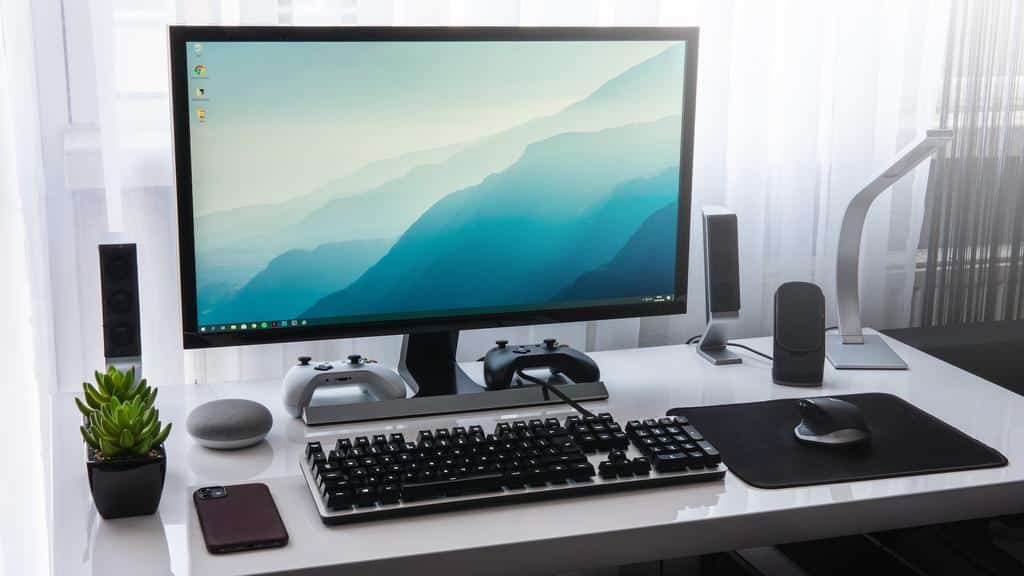
Based on studies, remote employees typically spend 13 out of their 16 awake hours each day looking at a digital screen for work. This amounts to 81% of their waking time, which can have negative impacts on their mental and physical well-being. Symptoms of this issue, known as digital eye strain (DES), include eye strain, headaches, and trouble sleeping. DES is caused by excessive exposure to digital screens and the persistent use of electronic devices.
Here are the characteristics of DES:
- Dry eyes.
- Headache.
- Itching.
- Blurring vision.
- Foreign body sensation in the eye.
Doctors usually suggest cutting your screen time to overcome this problem. However, when your exposure to digital screens is related to your daily work, you cannot possibly cut your screen time.
Therefore, you must find other solutions to fight this.
What Is Blue Light?
One segment of the visible spectrum that can be detected by the human eye is known as blue light. Blue light is characterized by having the highest energy and the shortest wavelength within the spectrum, vibrating between 380-500 nanometers. The primary source of blue light is sunlight. Prolonged exposure to the blue light emitted by digital screens can cause strain on your eyes.
What Are Blue Light Glasses And How Do They Work?
Scientists have designed blue light-blocking glasses to fight the increasing problem of DES.
These glasses come with a filter in their lens that absorbs or blocks the blue light from your digital device’s screen. Additionally, in certain instances, these glasses are enhanced to provide UV ray protection. Consequently, donning a set of blue light glasses can safeguard your eyes from excessive exposure to the intense blue light emitted by your digital screen, aiding in the prevention of fatigue.

The Benefits Of Wearing Blue Light Glasses
Given below are some of the most important benefits of wearing blue light glasses—
1. Helps Reduce DES
Despite having perfect vision without needing glasses, excessive screen use can still lead to digital eye strain. Wearing screen glasses when using electronic devices can alleviate eye strain and enhance overall well-being. Multiple studies have shown that blue light-blocking eyewear can alleviate the symptoms associated with digital eye strain. Therefore, it may be beneficial to invest in a pair of screen glasses even if you have no vision issues. These glasses work by reducing eye strain and fatigue by blocking the harmful blue light emitted by electronic devices.
2. Helps Improve Sleep
As the sun sets, our body initiates the production of melatonin, a hormone that aids in falling asleep quickly. This hormone’s release prompts our body to rest and sleep only when darkness settles in, influenced by the absence of light.
However, our natural melatonin production has been hindered since the advent of electricity and technology. Excessive exposure to light throughout the day and night disrupts our sleep pattern significantly.
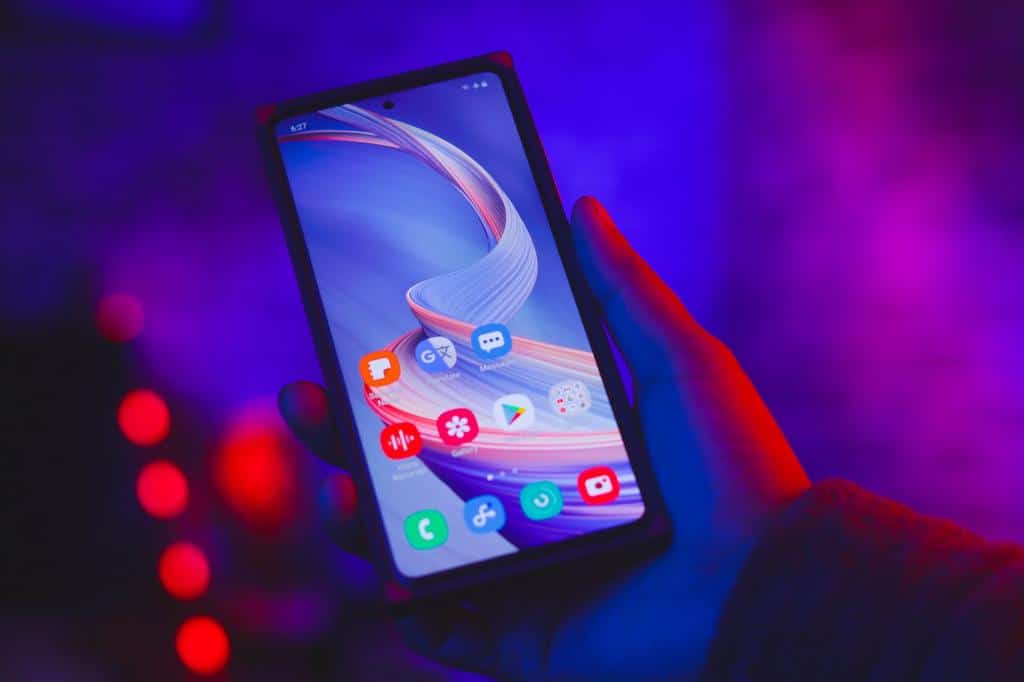
Furthermore, studies have confirmed that the blue light spectrum keeps our bodies more alert than any other type of light. To counteract this, wearing blue light-blocking glasses can help improve melatonin production and combat insomnia, even if you are working or constantly using digital screens at night.
3. Deter Age-elated Eyesight Issues
Wearing blue light glasses can help reduce the risk of macular degeneration, a vision-threatening condition that may lead to blindness if not treated. Prolonged exposure to blue light can be detrimental to the retina, potentially causing eye problems later on. By wearing blue-light-blocking glasses, one can protect their retina from the harmful effects of blue light, thus minimizing the likelihood of developing macular degeneration. By placing importance on eye health and investing in blue light-blocking eyewear, individuals, particularly those who spend extensive time in front of screens, can significantly decrease the prevalence of vision issues and the potential for blindness.
4. Ensures Productivity With Digital Devices
Wearing protective gear while working with digital screens can provide significant psychological support. Knowing that your eyes are shielded from harmful light allows you to work free from fear and distraction, thereby improving productivity and focus.
While it is generally advised to avoid using digital screens at night, if you have essential work, assignments, or projects, you can confidently work on them without excessive worry. Additionally, blue light glasses can improve the quality of your sleep, which is crucial for maintaining high levels of productivity and focus throughout the day.
5. Reduces The Risk Of Eye Infections
There are no limitations on the usage of blue light glasses. Regardless of any preexisting vision or ocular issues, it is advised for all screen users to wear them. By wearing glasses designed for continuous wear, you can safeguard your eyes against various infections, such as conjunctivitis, dust particles, and allergens. Moreover, they aid in maintaining clean and moisturized eyes, preventing dryness.
Save Your Eyes From Damage
Some additional tips to save your eyes from the damage caused by digital screen light over time are as follows:
- Use a lubricating eye drop to keep your eyes hydrated.
- Take regular intervals of 3 minutes every half an hour and rest your eyes.
- Avoid using your device in the dark.
- Work with a lower brightness to reduce the blue light’s power and avoid overstraining.
Following these tips and keeping in mind the usability of blue light glasses, you can maintain good eyesight and help yourself overcome the challenges of digitization.


