
Have you ever wondered why native plants deserve a spot in your garden? These botanical wonders are tailored to thrive in your region’s climate and soil conditions. Native plants require less maintenance, saving you time and effort.
What makes them especially valuable is their role in supporting local ecosystems. Promoting biodiversity creates a harmonious environment for other plants and beneficial creatures. Let’s explore how incorporating native plants enriches your garden and benefits the broader ecosystem.

Native Plants Foster a Thriving and Supportive Garden Environment
Native plants do so much to help other plants thrive by creating a supportive environment. Their deep root systems improve soil structure, which means better water retention and nutrient availability for surrounding plants.
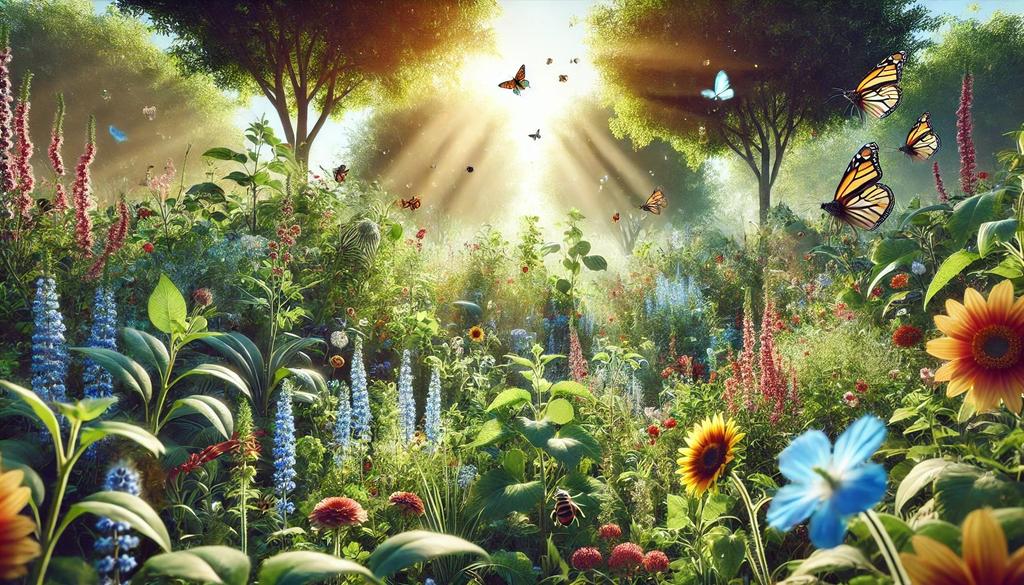
Incorporating native plants into your garden invites a diverse array of pollinators. Bees, butterflies, and other beneficial insects flourish as they contribute to the pollination process. This natural activity enhances the overall productivity of your garden. Native plants also offer shelter and shade, creating favorable microclimates. These conditions support the growth of more delicate plant species in your garden.
Research is Key in Selecting Native Plants for Your Garden
Each region possesses distinct climate, soil, and environmental characteristics. Understanding which plants are native to your area ensures you select species that are naturally suited to thrive there. This knowledge prevents the disappointment of cultivating plants that struggle to survive or demand excessive water and care.
Essentially, it involves assembling the “right team” for your garden. By opting for local plants, you not only create an aesthetically pleasing space but also contribute positively to the local ecosystem. This choice supports pollinators and wildlife, enhancing biodiversity.

Importance of Arboriculture Experts in Maintaining a Healthy Landscape
Why call in arboriculture professionals? Their expertise ensures a thorough evaluation of your landscape, providing insights that only trained eyes can detect.
Conducting a health assessment of your plants, trees, and shrubs serves as a proactive check-up for your landscape. This essential practice can prevent future challenges. According to Todd Marietta, identifying plant diseases and health concerns early allows for timely intervention. This proactive approach ensures that your garden remains vibrant and flourishing.
Assessing plant health also informs decisions on care adjustments, such as modifying watering practices or enhancing soil quality. A well-maintained landscape not only beautifies your surroundings but also supports local wildlife and fosters biodiversity. Additionally, it strengthens your garden’s resilience against pests and environmental stresses.
How Many Native Plant Species Should You Include in Your Garden?
To maximize the ecological benefits of your garden, diversity in native plant species is crucial. While beginning with a single native plant is a positive first step, consider incorporating a mix of five to ten different species. This variety enriches the ecosystem by attracting a range of pollinators and beneficial insects, fostering a vibrant and balanced garden environment.
Diversity ensures continuous blooming, keeping your garden colorful and active throughout the growing season. Start with a couple of species, but aim for eight or more if possible. The vibrant results will enhance both your garden’s health and visual appeal.
Cultivate a Sustainable and Thriving Garden Ecosystem with Native Plants
Are you ready to embrace native plants in your garden? Opting for native species is more than a popular trend; it’s a meaningful step toward environmental connection and sustainability. By planting native species, you establish a sanctuary that nurtures local wildlife and boosts biodiversity. This choice also diminishes the necessity for chemical interventions. Stand up for the health of your local ecosystem and make a positive impact by integrating native plants into your gardening practices.
By making this choice, you contribute significantly to the preservation of natural habitats. Your garden becomes a thriving ecosystem, embracing the rhythms of local flora and fauna. As more people choose native plants, we collectively foster a greener and more resilient environment. Start your journey today and inspire others in your community to join you in this eco-friendly endeavor.


