
A pair of researchers discovered that a bioflavonoid called quercetin, found in pickled capers, can modulate proteins needed for bodily functions, including the heartbeat, brain, muscular contraction, thyroid, pancreas, and gastrointestinal tract.
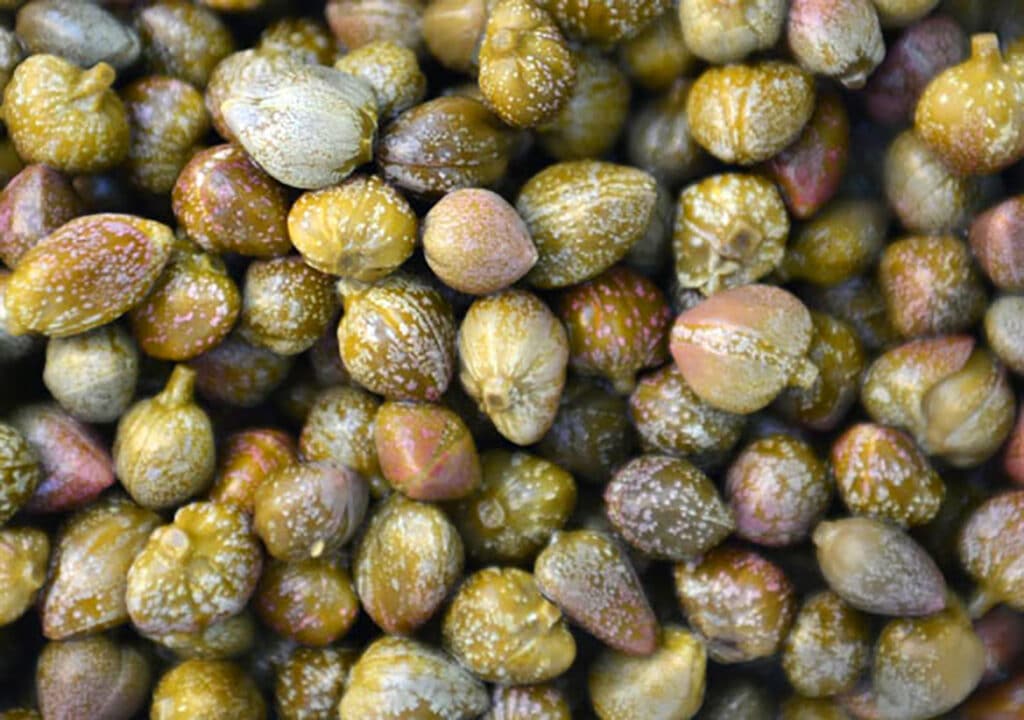
Capers, the immature flower buds of the caper bush (Capparis spinosa), are used worldwide for culinary purposes. In the U.S., pickled capers are often added for flavoring to pasta, salad, pork chops, smoked salmon, and other dishes.

Humans have used capers as traditional medicine for hundreds if not thousands of years. Scientists are currently studying them for their anti-cancer, anti-helminthic, anti-diabetic, and anti-inflammatory properties. Capers are the highest known natural source of quercetin, with a maximum concentration of 520 mg/100 g for canned capers and 323 mg/100 g quercetin for raw capers.
In a study published on July 8, 2020, in the journal Communications Biology, Professor Geoffrey Abbott and graduate student Kaitlyn Redford – from the Irvine School of Medicine at the University of California – found that quercetin regulates potassium ion channels in the KCNQ gene family.
Potassium ion channels are extremely influential in human health, and their malfunction is linked to many human diseases, such as epilepsy, cardiac arrhythmia, and diabetes.
The study revealed that quercetin regulates the KCNQ channels by modulating how they perceive electrical activity in the cell, suggesting an unexpected mechanism for capers’ therapeutic properties. Other quercetin-rich foods and quercetin-based nutritional supplements may also hold this mechanism.
Professor Abbott explained:
Now that we understand how quercetin controls KCNQ channels, future medicinal chemistry studies can be pursued to create and optimize quercetin-related small molecules for potential use as therapeutic drugs. Increasing the activity of KCNQ channels in different parts of the body is potentially highly beneficial. Synthetic drugs that do this have been used to treat epilepsy and show promise in preventing abnormal heart rhythms.
Another study found that having four cups of tea (particularly green tea, oolong tea, or black tea) per week improves brain health. The Beverages and foods we consume have a major influence on our bodies, and it’s important to keep that in mind when we prepare ourselves a meal.


