
A new study from Massachusetts Institute of Technology (MIT) reveals that states which invest heavily in renewable energy will generate billions of dollars in health benefits in the next decade rather than spending billions to take care of people getting sick from air pollution caused by burning fossil fuel. Furthermore, the research shows that the more stringent the demands for renewable energy are, the more the health benefits and cost savings increase.
The potential savings are massive in 10 states across the Midwest called the Rust Belt. For example, Ohio stands to gain $4.7 billion in health benefits by 2030 as long as they stick with their current renewable energy standards. The research has been published in the journal Environmental Research Letters.
The paper makes a link between economics and atmospheric conditions “that allows for a much richer understanding of how energy decisions affect public health,” says Leah Stokes, a political scientist at the University of California, Santa Barbara was not involved in the study. “The targets that they are shooting for in this paper are not overly ambitious. They are showing that even doing these piecemeal things would be an improvement for the Rust Belt.”
The study shows the power individual states could possess and how they can take control of the regulations by setting renewable portfolio standards (RPS). RPS require that electricity suppliers source a designated percentage of electricity from renewable sources. When Ohio’s governor has followed Trump’s lead and weakened the state’s renewable energy requirement, and the state legislature took up the bill which proposed to repeal the state’s RPS, the study’s lead author, Emil Dimanchev shared the study results on the Senate floor.
Dimanchev explained how an average of 50 premature deaths per year will be avoided as a result of Ohio’s RPS in 2030 which translates to an economic benefit of $470 million per year. With costs of the RPS estimated at $300 million per year, it translates to an annual net benefit of $170 million in 2030, as well as obvious health benefits. “According to our calculations, the magnitude of the air quality benefits resulting from Ohio’s RPS is substantial and exceeds its economic costs,” he argued. “While the state legislature ultimately weakened the RPS, our research concludes that this will worsen the health of Ohio residents.”
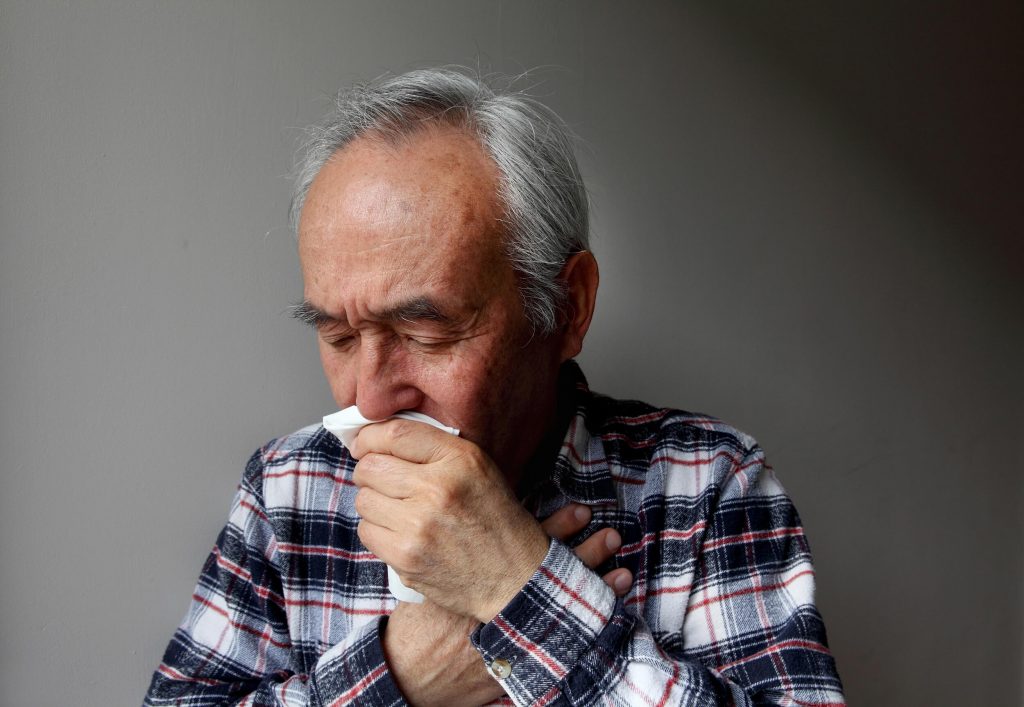
Air pollution contributes to emphysema and other lung deficiencies. Green energy on the contrary not only helps mitigate the climate crisis but also reduces air pollution because it doesn’t create any. The study quantified the regional effects of generating renewable energy that reduce fine particles in the air by replacing coal-fired energy.
The researchers created an economic and air pollution model to compare costs and benefits of RPS’s in Pennsylvania, Ohio, Wisconsin, Michigan, Illinois, Indiana, West Virginia, New Jersey, Maryland and Delaware—a region that tends to have poorer air quality and a reliance on coal, which is why it’s called the Rust Belt. “This research helps us better understand how clean-energy policies now under consideration at the subnational level might impact local air quality and economic growth,” said Dimanchev.
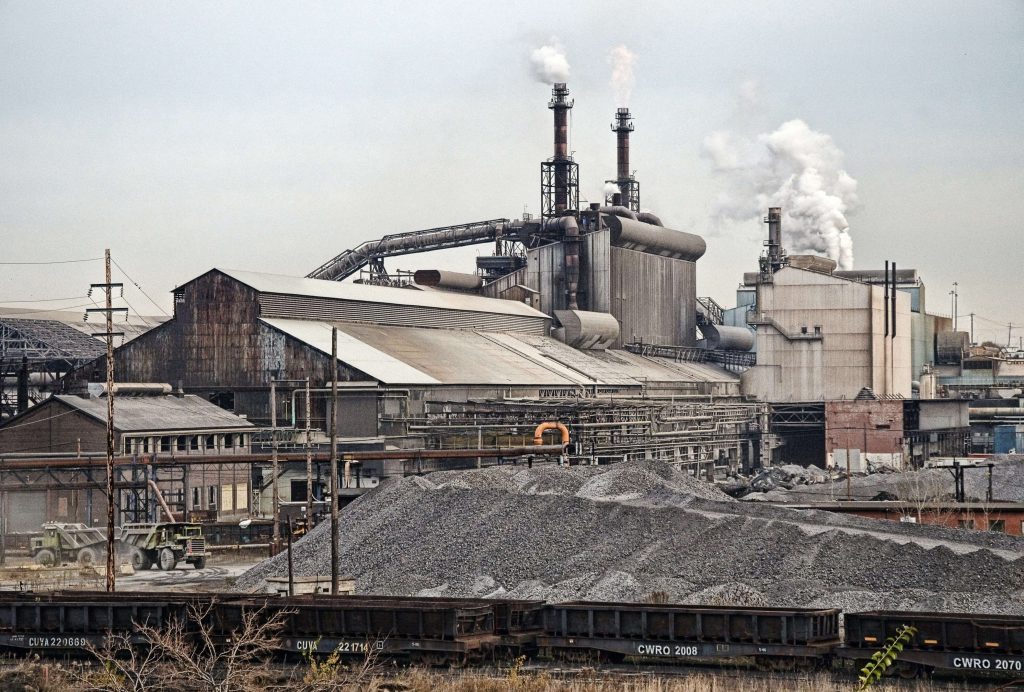
States will save money in reduced productivity, lost income and outsized medical bills to deal with the host of adverse cardiovascular and respiratory ailments associated with air pollution if they improving air quality by switching to clean energy sources. “This research shows that renewables pay for themselves through health benefits alone,” said Dimanchev to The Verge.
“This work shows that there are real, immediate benefits to people’s health in states that take the lead on clean energy,” says MIT Associate Professor Noelle Selin, who led the study and holds a joint appointment in the Department of Earth, Atmospheric and Planetary Sciences and Institute for Data, Systems and Society. “Policymakers should take these impacts into account as they consider modifying these standards.”
The study was supported by the U.S. Environmental Protection Agency’s Air, Climate and Energy Centers Program.


