
Smart technology has settled into daily routines in a quiet but steady way, running in the background to trim chores and help people stay informed. What began as a collection of novelty gadgets has matured into an essential infrastructure that feeds entertainment, work habits, and health routines. As innovation rushes forward, the focus remains on smoothing out the little details that matter, making life more efficient without demanding constant attention.
This evolution is visible everywhere, from the thermostat that learns your schedule to the wearable device that monitors your resting heart rate. These tools no longer just respond to direct commands; they anticipate needs, automate mundane tasks, and connect us to the wider world with unprecedented speed.
This article explores how these intelligent tools sit in the home, workplace, and wider world, examining their profound influence on modern lifestyles. It also touches on the digital platforms and services that rely on secure systems and steady networks to keep this interconnected ecosystem running smoothly.

Smart Commerce and Digital Entertainment
Digital commerce and entertainment ecosystems rely on intelligent algorithms that adapt to individual user habits. Consistent interaction refines these systems, resulting in increasingly accurate recommendations.
Online Shopping Evolution
Modern retail has migrated online, with giants like Amazon redefining the consumer experience. Instead of long lines or limited store hours, buyers scroll through large lists of items and read reviews from other shoppers. Delivery services drop packages right onto your doorstep.
Personalized Streaming and Gaming
Platforms like Netflix and Spotify place vast libraries of movies, series, and music just a click away. Audiences choose on-demand content, leaving the traditional broadcast grid behind.
Data-driven personalization also powers engagement within the gaming sector. For example, platforms featured in an overview of offshore casinos utilize data analytics to recommend games based on player history, mirroring the personalization found in streaming services. As players interact with these platforms, AI quietly studies their behavior and preferences. It then uses that knowledge to suggest different games while also tailoring promotions to fit a user’s behavior, much like other entertainment services that learn from repeated use.
Purchase history, streaming habits, and gameplay data provide AI tools with direct insights into user preferences. The system pulls up content, items, or videos that reflect the user’s habits. Imagine shaving minutes off your search and landing on up-to-date stories and experiences almost immediately.
AI-Driven Work and Productivity Tools
The way we work is evolving because intelligent programs now manage administrative tasks that once demanded constant human attention. A growing number of professionals effortlessly combine living spaces with remote workstations.
Cloud services, shared files, and video calls let groups collaborate whether they’re in neighboring towns or on opposite continents. Remote workers enjoy full file access and tool availability, just as if they were sitting at their office desk. Schedules open up, and commuting takes less time away from the day.
Transportation Innovations
As more work moves online, reliance on intelligent platforms extends to transportation:
- Navigation Apps: Tools like Waze read real-time traffic to find quicker, fuel-efficient routes.
- Ride-Sharing: Services like Lyft and Uber ensure reliable transport is available in seconds.
- Autonomous Tech: Electric and self-driving vehicles are making trips safer and more efficient.
Administrative Automation
Intelligent programs now manage administrative tasks that once demanded constant human attention:
- Data Sorting: AI organizes vast amounts of information instantly.
- Customer Support: Chatbots handle basic queries and scheduling.
- Rapid Reporting: Complex reports are generated in minutes rather than hours.
Automating routine tasks liberates mental energy for strategic planning and creative pursuits.
Smart Home Automation and Security
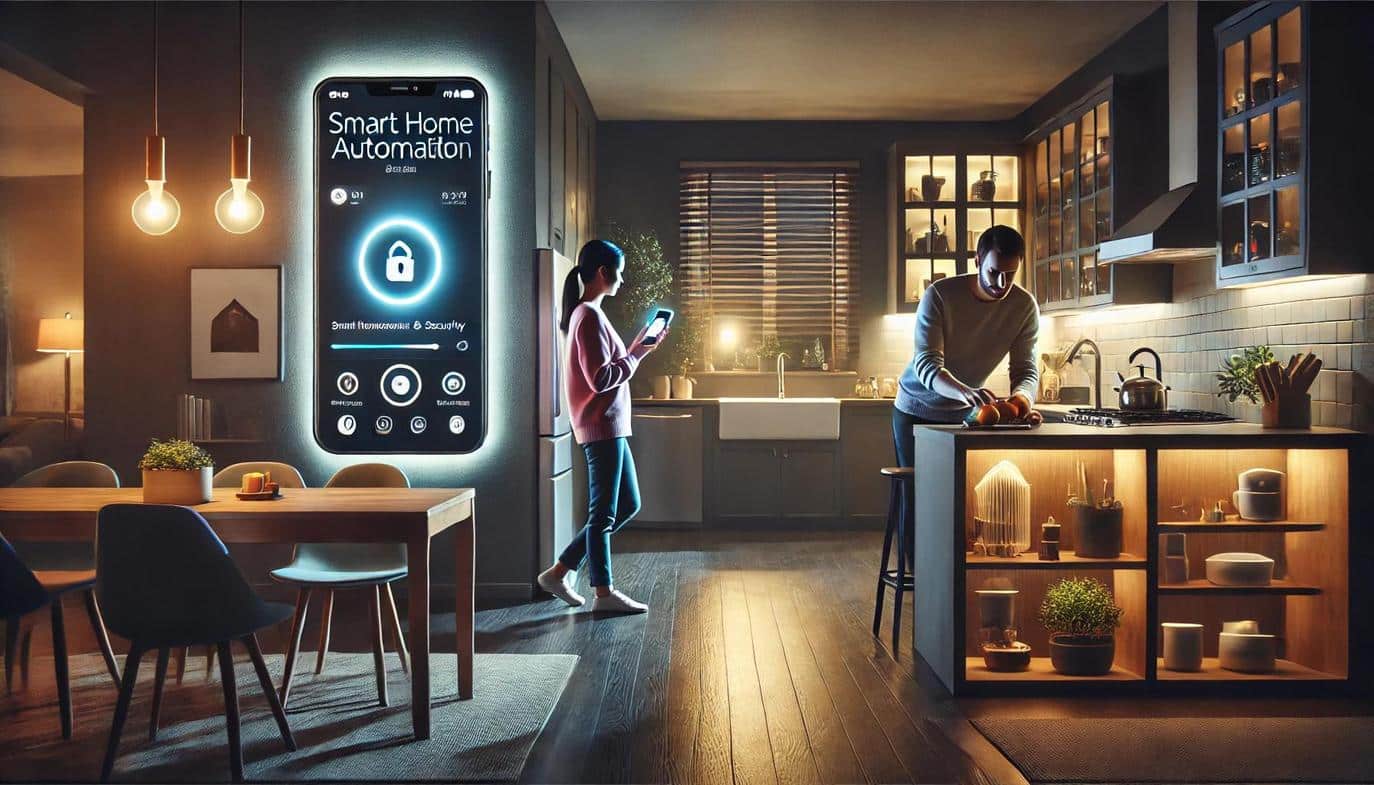
Smart homes grow more common as people look for comfort, robust security, and simple control of their space. Smart thermostats like Nest learn your routines and automatically tweak heating or cooling. Energy consumption remains optimized without requiring major shifts in daily habits. These voice helpers, like Alexa and Google Assistant, work best when you keep the instructions brief and clear. Voice commands instantly illuminate a room, while a simple smartphone tap restores darkness. Users can open an app to set cooking timers, soften lighting, or schedule morning routines. Everything here lets you run the house with ease.
Connected Security Features
Smart locks and networked cameras provide comprehensive control from any smartphone:
- Live Streaming: View your front door or driveway in real time.
- Motion Sensors: Detect movement and trigger automatic entry or lighting.
- Instant Alerts: Receive immediate notifications for peace of mind while away.
Remote entry even lets you admit guests while you stay on the go, with no need to sprint back.
Your fridge watches what you store, nudges you about expirations, and streamlines grocery planning. A simple tap in the app gets the oven heating up. When the wash is done, the machine shoots off a notification. These tools stop tiny chores from stacking up. As weeks turn into months, they quietly sustain a rhythm of neat, dependable routines.
Digital Health and Personal Wellness
The rise of smart devices means we handle physical and mental wellness differently than before. What began with simple step counters has evolved into a comprehensive ecosystem of devices tracking complex biometrics.
Wearable Health Metrics
Fitness watches and trackers call attention to hidden patterns by monitoring key health metrics:
- Heart Rate: Track resting and active pulse trends.
- Sleep Quality: Analyze cycles to improve rest.
- Stress Levels: Identify triggers and manage daily pressure.
Identifying steady patterns allows users to tweak workouts, adjust rest days, or modify daily habits. Even when silent, these tools remind you to stretch, walk, or jog each day.
Remote visits now bring medical support to people who live far from clinics. You can skip the travel wait and meet a doctor right on your computer. If you notice something odd, you won’t waste hours; you’ll get the info you need right away.
Imagine a radiologist pulling up a scan and, with AI, seeing the important findings almost instantly. Imagine a steady wrist that never shakes; that’s what robotic tools bring to the operating room. The goal stays clear: Focus on safer care, yielding improved outcomes. With these resources at hand, professionals can fine-tune their work, enjoying both exactness and a calm, steady hand.
Instant Communication and Information Access
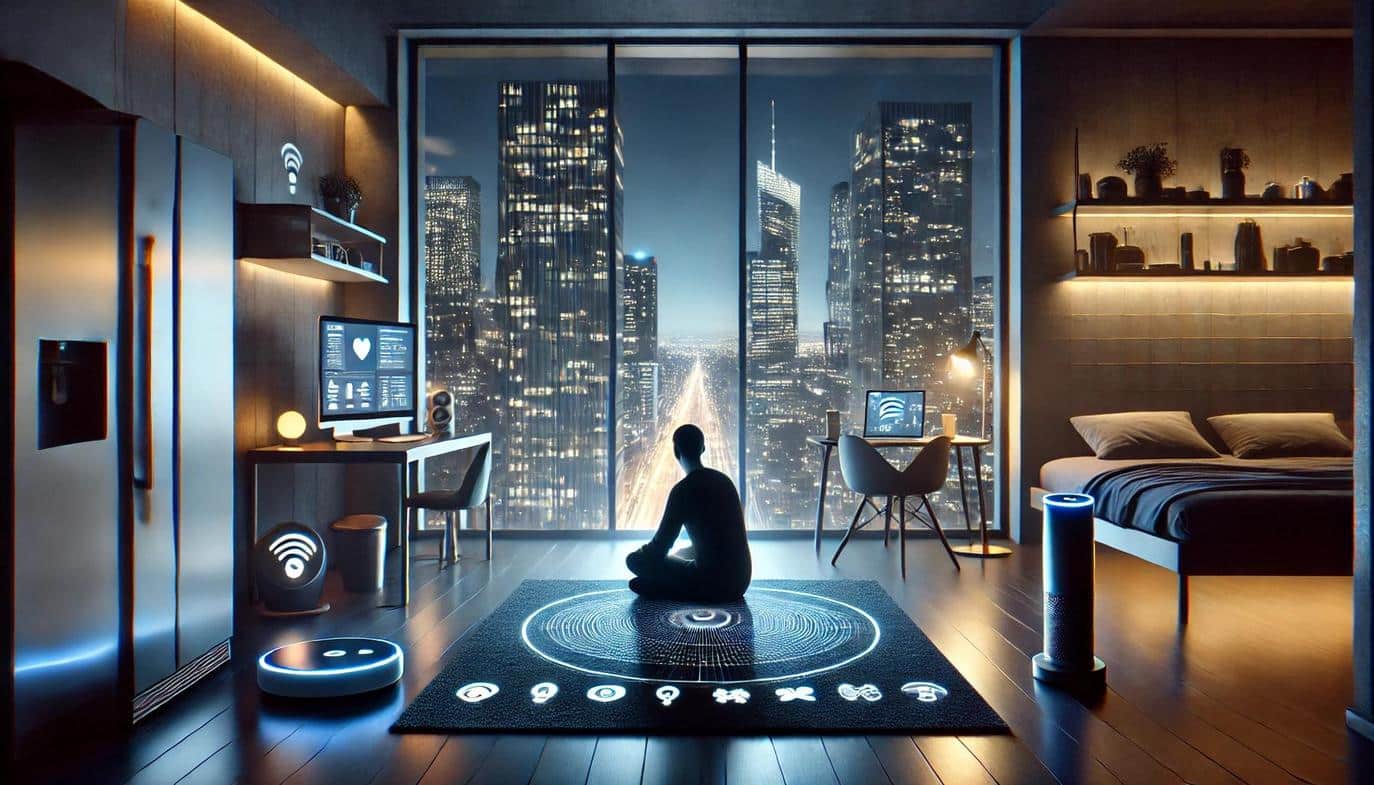
Smart tech reshaped the way we spread news, keep in touch with family, and learn new things. Messages travel in seconds. Waiting days for a response has become a relic of the past.
Smartphones and video calls pull faraway voices right beside you. We stay in contact, no matter how many miles lie between us. Work meetings, friendly chats, and quick notes now happen through screens that fit in a pocket.
The internet delivers facts, news, and tutorials for almost any topic. Anyone can read, watch, or listen to a lesson wherever they are. Thanks to this expanded reach, learning is now available to far more folks.
Niche interests, from cooking to coding, find immediate community support through dedicated online forums. Users turn to these communities to broadcast thoughts and champion key issues. Although these venues pull people together, they may also distract us from everyday life whenever we spend too much time inside them.
Final Thoughts on the Smart Tech Era
Smart devices now guide how we live, from tweaking the thermostat at home to smoothing out virtual meetings across continents. When you are stuck, these services hand you an instant answer, a dependable guide, and a set of simple tools that keep the job moving. This seamless integration allows us to automate the mundane, freeing up mental space for the creative and personal pursuits that truly matter.
However, with each new advantage comes a responsibility to maintain boundaries. Privacy, balance, and digital safety all deserve careful attention in an increasingly connected world. If we treat our screens like tools rather than toys, we can glide through online tasks smoothly while still pausing for the offline moments that define us.
Frequently Asked Questions About Smart Technology
How does smart technology improve daily life?
Smart tech automates routine tasks, improves home energy efficiency, and provides instant access to information, freeing up time for more meaningful activities.
Is a smart home secure?
Yes, when properly configured. Using strong passwords, two-factor authentication, and regular software updates ensures that smart locks and cameras provide robust security.
Can fitness trackers really improve health?
They provide valuable data on heart rate, sleep, and activity levels, helping users identify patterns and make informed lifestyle changes for better wellness.
What are the benefits of AI in the workplace?
AI handles repetitive administrative tasks, sorts data, and manages schedules, allowing employees to focus on complex problem-solving and creative work.
Do smart devices save energy?
Devices like smart thermostats and automated lighting systems optimize usage based on your habits, often resulting in lower utility bills and a reduced carbon footprint.


