
Our homes are getting smarter every day in a world of rapid technological development. A smart home is a set up of internet-connected devices and appliances that enable remote control and management of various tasks and functions, such as lighting, temperature control, and security systems. It allows you to manage these features using a mobile phone, laptop, or other device. The popularity of smart devices is on the rise, with users increasingly adopting them for tasks such as online shopping through products like smart speakers. However, this trend has also brought up concerns about the security of smart homes and IoT devices.
Smart devices are increasingly popular, with users also embracing them for online purchases using tools such as smart speakers. Concerns about the security of smart homes and IoT devices have arisen due to the vast amount of data collected about individuals and their residences, as well as the interconnectivity of everyday appliances. This has elevated the importance of data protection.
The easiest way to protect your data is to install a free VPN on all devices used to control your smart home. Below, we will describe further how to ensure security while enjoying the comfort of a smart home, but first, let’s take a look at the statistics to understand the growing popularity of smart homes.
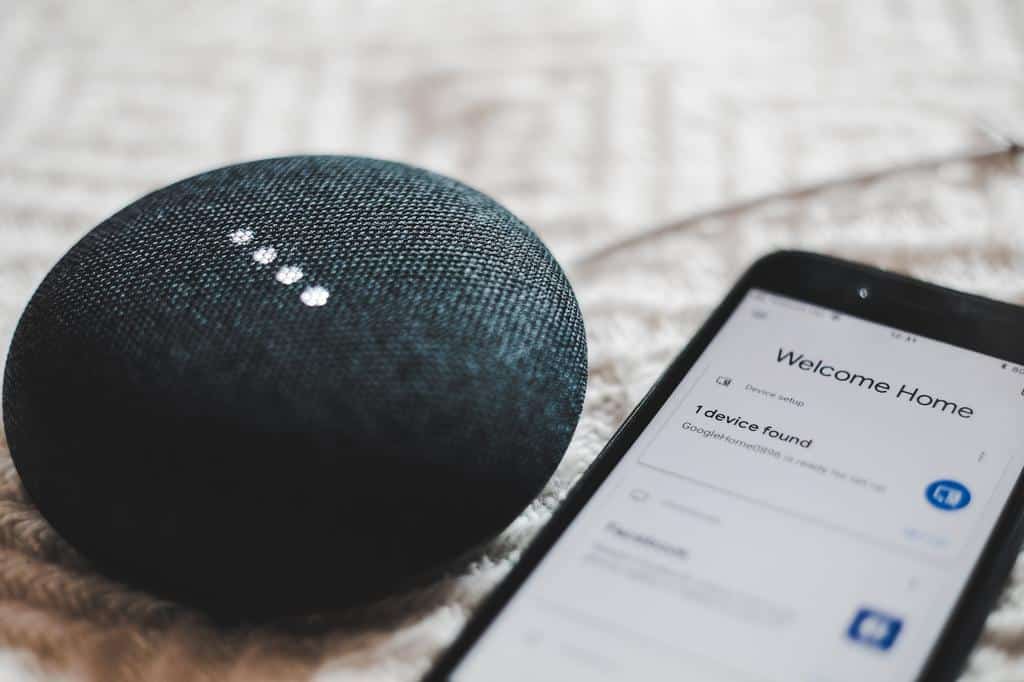
Adoption of Smart Home Technologies
Statistics show that 63.43 million homes in the US actively use smart home devices in 2023. Year-on-year growth is more than 10%. If this trend continues, and this is what market experts expect, almost 100 million households in the US will use smart devices by the end of 2027.
However, 75% of users feel concerned about the security of their data but are still deciding to use smart home technologies. It’s difficult to avoid new technologies completely, but it’s also understandable to want assurance that your data is secure. Let’s take a look at the main security concerns of smart homes and IoT devices.
Security Issues of Smart Homes
The main concerns are related to the lack of understanding of what information is collected through smart devices, in whose hands it will end up, and how it can be used. Factors of biggest concern include:
Lack of security updates
It is well known that the speed of innovation does not always keep pace with security. Often, developers don’t have the resources or desire to spend time developing security updates. Instead, they focus on launching new products to maximize profits. Additionally, a lot of devices simply do not have enough processing power to implement strong security features.
Insecure Protocols
Devices are constantly exchanging information, but unfortunately, this information is not always protected by reliable protocols and can easily be intercepted by attackers. To mitigate this risk, it’s crucial to implement robust security measures that not only encrypt data in transit but also authenticate the devices involved in the communication. Furthermore, regularly updating these security protocols is essential to defend against evolving cyber threats and ensure that sensitive information remains confidential.
Default Passwords
It’s alarmingly common for users to stick with the preset usernames and passwords that devices are boxed with, a habit that opens the door to cyber threats. Have you ever pondered the havoc that hackers could wreak if they waltz into your smart home network?
If your smart home network is compromised, cybercriminals can:
- invade your privacy and watch you;
- steal your data;
- manipulate your devices;
- use the obtained information in other types of cyberattacks.

How VPN Can Safeguard Smart Homes and IoT Devices
VPN is the best way to prevent any outside access to your data. IoT devices collect a lot of information about you. This information is most vulnerable during transmission. The VPN encrypts information, ensuring that it is transmitted securely.
This means that the information is encrypted, and the key to read it is available only on the server where the information is sent. If someone manages to interfere with the information transmission process, they cannot decrypt it. In this way, a VPN guarantees that the connection between an IoT device and its server is totally secure.
If you use smart home technology, you probably often access its functions remotely, for example, on your way home from work. That’s why it’s important to install a VPN on all your devices, including your smartphone and tablet. Then, your remote connection will be secure, adding an extra layer of protection to your personal data.

Other Important Security Measures
Safeguarding personal data is both intricate and critical. It’s imperative to implement a full spectrum of security strategies to keep your information safe. Throw in robust encryption, and you’ve got a data defense system that’s as impregnable as it is savvy.
1. Consider what devices you actually need.
When it comes to data protection, the easiest way to minimize risks is to minimize the number of devices that collect and process your data. This works just as well with the apps on your smartphone as it does with the devices in your home. Before splurging on the latest smart gadget, pause to weigh the pros against the cons. There’s no rallying cry here to ditch all smart living – simply a nudge for a level-headed evaluation of what’s truly essential.
2. Change the default login and password.
IoT gadgets typically hit the market with out-of-the-box login details. Make it a top priority to swap those defaults for custom credentials and lock down every device with robust, one-of-a-kind passwords. Passwords set by default are well-known and lack information security. Unfortunately, people often forget about this simple step.
3. Enable two-factor authentication (2FA).
Turn on 2FA where it’s an option – it’s like a VIP backstage pass for your security, demanding a plus-one verification step beyond just the password. Rest easy knowing that if some digital intruder snags your secret code, they’re still one golden ticket short of breaking into your smart fortress. This improves your smart home’s overall security and significantly lowers the possibility of unwanted access.
4. Keep software up to date.
Keep your smart tech’s software fresh off the press with regular updates. These patches are your gadgets’ armor against digital threats, and it’s down to you to button them up with the newest safeguards. Staying vigilant with these updates is like giving your devices a regular health check-up, ensuring they can stand strong against any new viruses on the block. Don’t sleep on those update notifications – they’re the heralds of improved defense and smoother operations for your connected companions.

Protect Your Home with VPN Services
In sum, while the allure of cutting-edge smart homes pulsates stronger by the second, safeguarding them demands equal zeal. Ensuring your IoT devices and network are locked down tight with measures like 2FA, strong passwords, and timely software updates is non-negotiable. Yet, it’s the stealthy prowess of VPNs—the digital cloak of invisibility for your data—that truly fortifies the walls of your digital domain. By encrypting transmissions and shielding your activities from prying eyes, VPNs give you the freedom to command your smart empire with confidence.
So, embrace the future, but anchor it with the robust security that turns your smart home into an impenetrable haven, not just a hub of convenience. With a clever blend of discernment and proactive protection, the smart home of your dreams can also be the fortress of your security.

