
People are starting to catch on to bottled water pillagers and I could not be happier. Washington State aims to become the first state to ban water bottling.
The state senate has passed a bill that will ban all new permits for water bottling operations. SB 6278 declares “any use of water for the commercial production of bottled water is deemed to be detrimental to the public welfare and the public interest.” This new bill would also apply retroactively for any new permits that were filed after January 1st, 2019.
Mary Grant, the director of Food & Water Action’s public water for all campaign released a statement:
Washington State is carving the path towards a groundbreaking solution. This legislation … would ban one of the worst corporate water abuses – the extraction of local water supplies in plastic bottles shipped out of watersheds and around the country.
As reported by the Guardian, bottled water is the most popular bottled beverage in the U.S. by volume. However, in the states and communities across the country where the water is bottled, they have been fighting against this for years.
In 2018 in Michigan, Nestlé increased the amount of water it extracted from 250 gallons a minute to 400 gallons of water per minute from a well in western Michigan, for their Ice Mountain water label. This move happened despite the public outcry to stop this from happening.
Nestlé has also been under scrutiny by residents in Southern California who are aware of the company bottling water from Strawberry Creek where they took 45 million gallons from in 2018 for their Arrowhead Water label. The Forest Service determined Nestlé’s activities left Strawberry Creek “impaired”, this was after they were advised to “immediately cease any unauthorized diversions.”
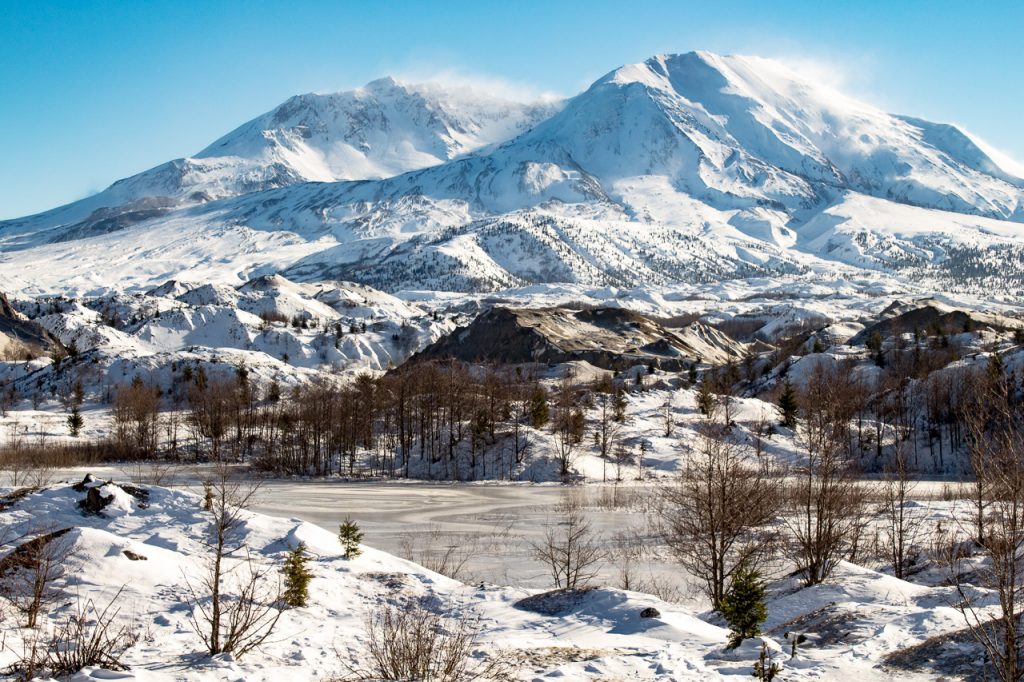
Residents at the base of Mount Saint Helens in Lewis County have been fighting to forbid Crystal Geyser from opening a new bottling facility that would also pump 400 gallons per minute. Crystal Geyser also faces opposition in Northern California near Mount Shasta.
Crystal Geyser pled guilty in January for illegally storing toxin-laden wastewater in an “arsenic pond” in eastern California and knowingly delivering the water to treatment plants without disclosing its hazards.
These water bottling giants have been extracting all this water for next to nothing and selling it back to people for up to 7,000 times what it cost them to get it.
Washington State Sen. Reuven Carlyle, who sponsored the bill to ban the bottling, commented:
I was jolted to the core to realize the depth and breadth and magnitude of how they have lawyered up in these small towns to take advantage of water rights. The fact that we have incredibly loose, if virtually nonexistent, policy guidelines around this is shocking and a categorical failure.
One such case involved leaked emails when Crystal Geyser mounted a legal campaign to sue a local subdivision near Mount Rainier, who opposed their new bottling facility. They also had intentions to launch an underground public relations campaign to support their lawsuit.
Craig Jasmer, leader of the Lewis County Water Alliance is helping lead the charge for the bottling ban; “Pumping water out of the ground, putting it in plastic bottles and exporting it out of the state of Washington is not in the public interest.”
Several groups are banding together to form The Environmental Priorities Coalition, which includes: Americans Rivers, Audubon, and Sierra Club Washington State to stop new water bottling facilities.
Several other states are looking to tax or limit commercial water bottling, including state bills in Michigan and Maine and local ballots in Oregon and Montana. Let’s hope that more will be done about this than just taxing these companies who have a stranglehold on the market.


