
The field of medicine is in a constant state of evolution, with advancements in technology continually reshaping how diseases and injuries are treated. Among the most dynamic areas is modern wound care, which has transformed from a practice of basic dressing and management into a sophisticated discipline at the forefront of medical innovation. For instance, Tampa, FL Mobile Wound Care provides state-of-the-art wound management directly to patients in their homes. This approach leverages the latest developments to ensure faster recoveries and an enhanced quality of life.
The focus has shifted dramatically from reactive treatments to proactive, personalized strategies that not only heal wounds but also regenerate tissue, prevent complications, and enhance the overall quality of life for patients. This guide explores the cutting-edge technologies and techniques that are defining this new chapter in patient care. From bioengineered skin that mimics natural tissue to intelligent dressings that monitor healing in real time, these advancements are making treatments faster, more effective, and less invasive.
Delve into the roles of 3D bioprinting, artificial intelligence, and regenerative medicine, showcasing how these next-generation solutions are creating a more hopeful future for individuals with complex and chronic wounds.
Key Takeaways
- Innovative technologies like bioengineered skin, smart dressings, and AI are fundamentally evolving wound care.
- Personalized and remote solutions offer improved outcomes, especially for chronically ill, elderly, or remote patients.
- Breakthroughs in regenerative medicine, bioprinting, and telemedicine are making the healing process faster, more targeted, and more accessible.
A New Era in Advanced Wound Management
Groundbreaking advancements are defining a new era in modern wound care, transforming outcomes for patients with acute and chronic wounds. Technologies ranging from living skin substitutes to advanced digital monitoring are empowering clinicians and patients to manage wounds more effectively and efficiently.
The integration of on-demand care and innovative technology is transforming traditional treatment methods for complex wounds, burns, and postsurgical wounds. This approach accelerates healing and minimizes complications by delivering personalized medicine tailored to each patient’s unique needs.
Healthcare professionals now have an advanced understanding of tissue repair. This allows them to tailor wound care strategies using technologies like artificial intelligence and regenerative medicine. This approach improves healing and reduces hospital stays, lowers costs, and enhances patient satisfaction.
Living Skin Substitutes: A Breakthrough in Advanced Tissue Regeneration
Bioengineered skin substitutes have redefined the standard of care for patients who suffer from extensive burns or chronic non-healing wounds. These substitutes are designed to closely mimic the structure and function of natural human skin, providing an immediate cover while promoting the regeneration of healthy tissue. Using living cells and advanced biomaterials, these bioengineered skin substitutes integrate with the wound bed to promote cellular migration and angiogenesis, leading to more robust healing.
As a sophisticated alternative to traditional autografts, bioengineered skin offers several key advantages:
- Minimizes donor site morbidity.
- Reduces the risk of infection.
- Improves cosmetic outcomes.
Recent product innovations continue to expand their utility and accessibility.

Intelligent Dressings for Real-Time Wound Monitoring
Smart dressings are a leap forward in proactive wound management. These dressings use embedded sensors to continuously monitor the wound’s environment—detecting fluctuations in temperature, moisture, and pH. Such real-time feedback allows clinicians and caregivers to identify early signs of infection or inflammation, paving the way for timely intervention and personalized care.
Healthcare professionals can receive the generated data remotely, which reduces the need for in-person visits and ensures immediate attention to critical changes. Smart dressings are poised to significantly reduce healing times, complications, and the burden on healthcare resources.
Customized Healing With 3D-Bioprinted Skin Grafts
3D bioprinting is creating new possibilities for highly personalized wound care. By layering cells and biocompatible materials, clinicians can now produce skin grafts tailored with remarkable precision to a patient’s unique wound anatomy. These bioprinted constructs allow for a close match in skin tone, texture, and thickness, ensuring superior cosmetic and functional outcomes.
The technique is especially beneficial for complex or irregular wound beds, where traditional grafts may not fit well.
Furthermore, using a patient’s own cells in bioprinting dramatically reduces immune rejection risks and accelerates integration and healing. Research in this promising field is rapidly expanding, enhancing the treatment of complex wounds and providing hope for optimal recovery.
Data-Driven Diagnosis: The Role of AI in Wound Assessment
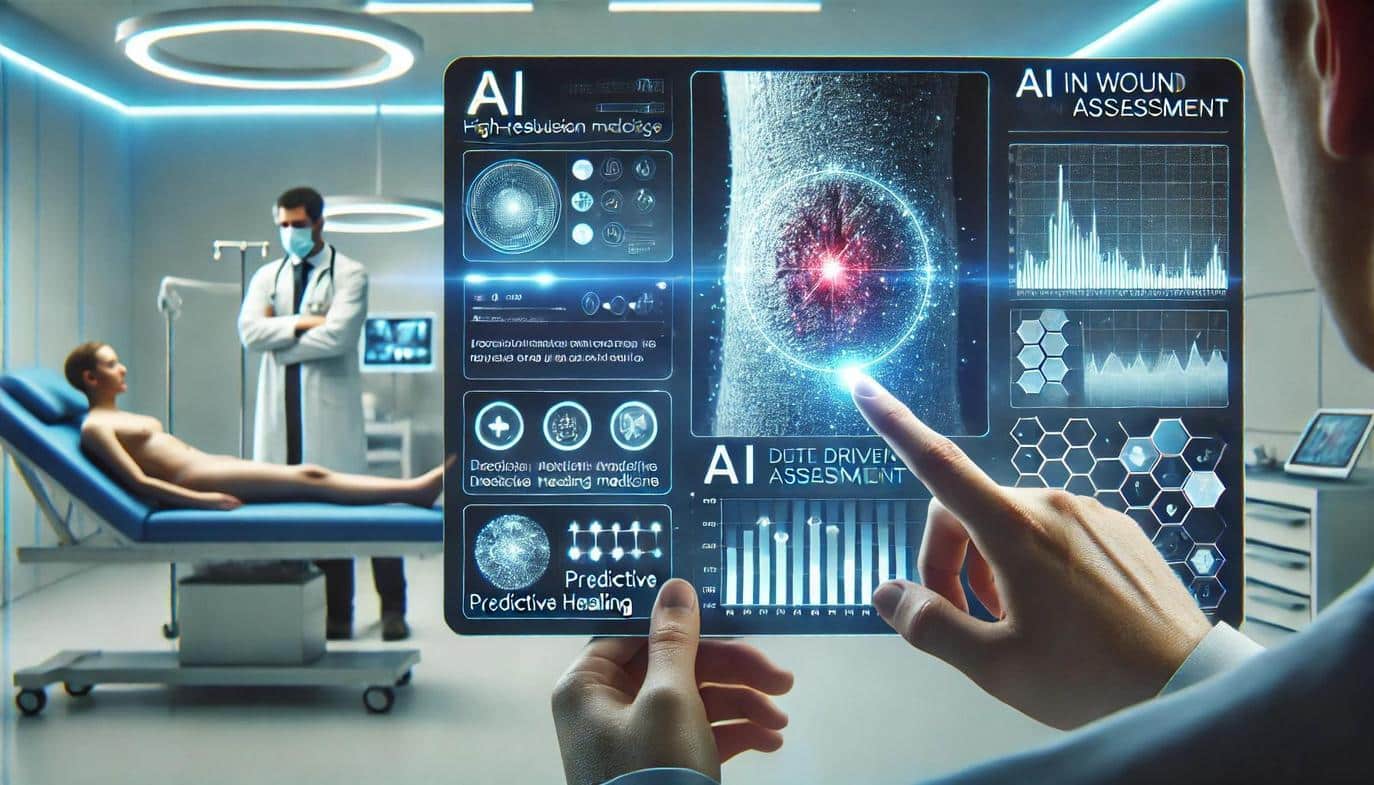
Artificial intelligence is revolutionizing wound assessment, automating the measurement and documentation process while enhancing the accuracy of diagnosis. AI-driven platforms can analyze wound photographs, track healing progression, and predict outcomes based on vast datasets of previous cases. This intelligent guidance helps clinicians create data-driven treatment plans, identify complications early, and reduce the subjectivity of wound evaluation.
By using machine learning algorithms, AI can also assist in predicting wound healing trajectories, helping caregivers set realistic recovery goals and adjust therapies before adverse events occur.
Expanding Access to Care With Telemedicine and Remote Monitoring
The adoption of telemedicine and remote monitoring platforms has greatly expanded access to top-notch wound care, particularly for patients in rural or underserved regions. Clinicians can use tools like video consultations, secure photo uploads, and remote data sharing to manage patient care from a distance. These technologies allow them to evaluate wounds, recommend treatments, and closely monitor healing without requiring patients to travel for in-person appointments.
For individuals with limited mobility or transportation, such communication is critical for maintaining continuity of care and evaluating healing trends over time. Remote monitoring devices can also transmit wound data directly to care teams, allowing quick responses and individualized care adjustments.
Accelerating Healing with Negative Pressure Wound Therapy (NPWT)
Negative Pressure Wound Therapy (NPWT) has become a mainstay for complex or non-healing wounds. By applying controlled suction to the wound bed, NPWT creates an optimal healing environment that:
- Draws out excess fluid.
- Enhances blood flow.
- Reduces swelling.
- Promotes tissue granulation.
Recent innovations include smaller, battery-powered NPWT devices that patients can use at home, fueling better adherence to therapy regimens and more rapid healing.
These portable systems reduce the need for hospital visits while maintaining high standards of wound care, empowering recovery and independence for patients facing significant wounds.
Harnessing Stem Cell Therapy for Tissue Regeneration
Regenerative medicine, particularly stem cell therapy, offers a groundbreaking solution for difficult-to-treat wounds. Stem cells’ unique properties allow them to differentiate into multiple cell types, invigorating stalled healing processes and replacing damaged tissues.
Researchers are exploring stem cell-based therapies for chronic ulcers, diabetic wounds, and severe trauma, as clinical trials have shown promising results. Methods that use mesenchymal stem cells are especially important because these cells help create new blood vessels and manage inflammation, resulting in faster and better healing.
Tailored Treatments: The Rise of Personalized Wound Care
The era of personalized medicine is transforming the wound care paradigm by recognizing that each patient’s healing journey is unique. By considering a range of factors, clinicians can develop precisely tailored treatment plans that maximize the effectiveness of interventions. These factors include:
- Genetic profiles.
- Lifestyle factors.
- Comorbidities.
- The patient’s microbiome.
This highly individualized approach leads to faster healing, fewer complications, and greater patient satisfaction by addressing root causes and risk factors that may otherwise impede recovery.
The Future of Healing Is Personalized and Precise
The advancements transforming wound care signal a clear shift toward treatments that are more intelligent, personalized, and accessible. Technologies like bioengineered skin, smart dressings, and 3D bioprinting are no longer concepts of the future; they are actively improving patient outcomes today. By integrating AI for precise assessments and telemedicine for remote monitoring, healthcare is breaking down geographical barriers and making expert wound management available to all.
As these emerging technologies evolve, the future of healing will deliver not just faster recovery times but a truly patient-centered approach adapted to the unique needs of every individual.
Frequently Asked Questions About Modern Wound Care
What is the Biggest Advantage of Smart Dressings?
The primary advantage of smart dressings is their ability to provide real-time, continuous monitoring of the wound environment. This allows for the early detection of infection or other complications, enabling clinicians to intervene proactively and tailor treatments without requiring frequent, invasive dressing changes.
How Does 3D Bioprinting Improve on Traditional Skin Grafts?
3D bioprinting offers a highly personalized alternative to traditional grafts by creating skin substitutes tailored to a patient’s specific wound size, shape, and skin tone. Using a patient’s own cells, it dramatically reduces the risk of immune rejection and can lead to better functional and cosmetic results.
Is Telemedicine Effective for Managing Serious Wounds?
Yes, telemedicine has proven highly effective for managing serious and chronic wounds. It allows specialists to remotely assess, monitor, and guide treatment through secure digital platforms, providing critical access to care for patients who are elderly, have mobility issues, or live in underserved areas.


