
The right habits can make a real difference in keeping your eyes healthy. Even simple actions, such as eating a balanced diet, removing makeup before bed, and getting enough sleep, can help protect your vision.
Just as developing the right eye care habits is important, getting rid of bad ones that can cause harm is also crucial.
Understanding common negative habits is a key step in protecting your vision. For personalized advice, consulting a professional, such as an ophthalmologist in Dubai, is always recommended. Below are some of the most common habits that can be detrimental to eye health.
1. Staring too long at devices.
Digital eye strain (DES), also called computer vision syndrome (CVS), is one of the most common vision problems today. It is typically caused by staring at a phone, tablet, computer screen, or TV continuously for long periods.
Blinking keeps your eyes lubricated. When you stare at a digital device for too long, you tend to blink less frequently than the recommended 14 to 17 times per minute. This can lead to dry eye symptoms, which cause digital eye strain.
To avoid this condition, make it a habit to follow the 20-20-20 rule. This entails looking away from the screen at something at least 20 feet away for 20 seconds every 20 minutes.
You should also consider turning off your laptop and phone at night to avoid the temptation of frequently checking social media and email before sleeping. If this is unavoidable, use features like the night shift setting on an iPhone or the notification shade on an Android. These functions adjust the screen’s color and reduce the blue light it emits.
2. Rubbing your eyes often.
Rubbing your eyes is typically a reaction to dryness, irritation, or fatigue. Although this is often an automatic response, doing it aggressively and excessively can harm your eyes.
Frequent rubbing puts pressure on your eyes, which can lead to scratched corneas and other serious conditions. This habit also transfers germs from your hands to your eyes, which can cause pinkeye or other infections.
If your eyes are itchy, use a cold compress for relief. If you suspect allergies are the cause, consult a doctor who can prescribe the appropriate antihistamine and eye drops.
See your ophthalmologist immediately if you frequently experience eye itchiness, dryness, or other symptoms that make you want to rub your eyes.
3. Not wearing sunglasses and protective glasses when needed.
Ultraviolet (UV) rays are harmful to the eyes. These rays can damage the cornea, lens, and the eye’s surface tissues. This damage can lead to cataracts and age-related macular degeneration (AMD).
Reduce your risks for these conditions by wearing sunglasses with UV protection daily, even when it is cloudy. This specialized eyewear protects your eyes, eyelids, and the surrounding skin from harmful ultraviolet rays.
You should also wear sunglasses whenever you go outdoors, even if you wear contact lenses with UV-blocking technology, as eyewear protects your eyelids and the skin around your eyes.
When shopping for eyewear, make sure it has 100% UV protection to get the most benefit.
Additionally, invest in the right protective eyewear for certain activities. Specific types are needed for work, sports, and other tasks:
- Safety glasses with side shields offer protection against flying debris, chemical splashes, and strong gusts of wind.
- Goggles provide protection against sparks, flying dust, and other particles.
- Wraparound cycling or running glasses protect your eyes against UV rays, insects, and other debris.
- Swim goggles prevent water from irritating your eyes during swimming, diving, or other water activities.
- Ski goggles with anti-fog features and UV protection shield your eyes from UV rays reflected by snow, which can cause photokeratitis, a condition known as “sunburn of the eye.”
4. Smoking.
Smoking is harmful to the lungs and heart. Tobacco use and vaping also increase your risk for dry eyes, cataracts, and AMD.
These habits can lead to optic nerve damage, diabetic retinopathy, and uveitis, a condition in which the uvea (the middle layer of the eye wall) becomes irritated. This, in turn, can cause vision problems, eye redness, and pain.
When you stop smoking and vaping, your eyes and body can begin to recover. The earlier you quit, the better your chances of protecting your sight.
5. Missing your scheduled eye exams.
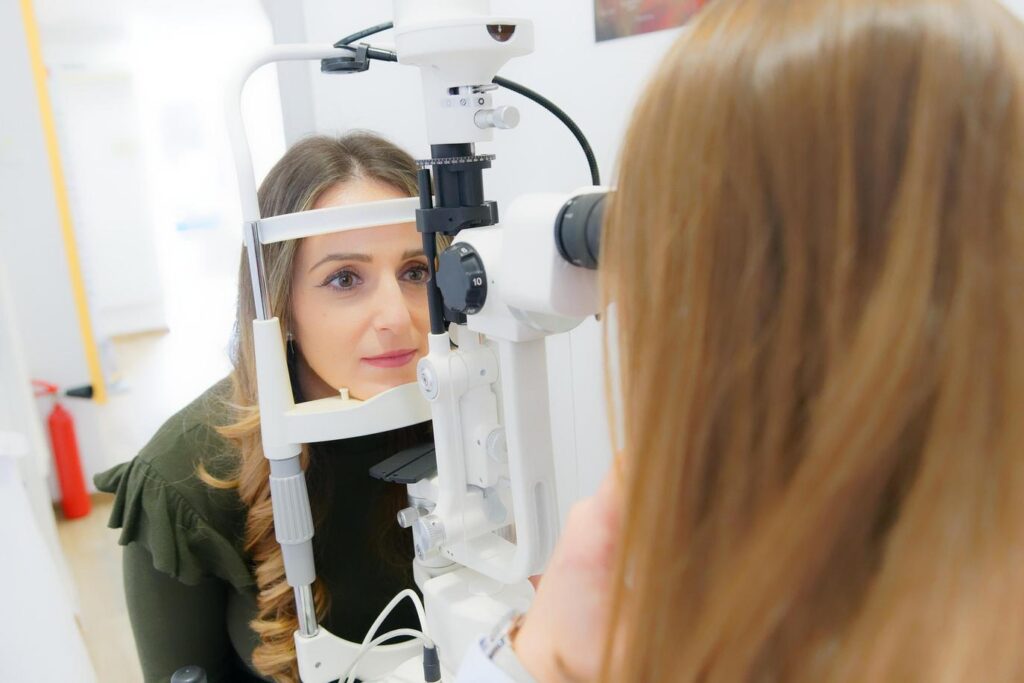
According to the American Optometric Association (AOA), individuals between 18 and 64 with no vision problems or symptoms should undergo a comprehensive eye exam every two years. Those who are at risk or have existing eye conditions should get this test annually.
A comprehensive eye exam can uncover vision problems you may already have or are at risk of developing. It can detect early signs of conditions like cataracts, glaucoma, and macular degeneration, often before you notice any symptoms. These check-ups also give your ophthalmologist a chance to spot other health issues, such as hypertension and diabetes.
It is important to follow your ophthalmologist’s recommendation for how often you should have an exam.
Conclusion
When you eliminate these bad habits and adopt good ones, you can better maintain healthy eyes and vision, contributing to an improved quality of life.


