
Most people over 40 regularly visit an optometrist. However, while most see their optometrist for an eye checkup, many are unaware of how much eye exams may reveal about our health. For example, before most individuals are even aware they have high blood pressure, the eyes may be the first region of the body to exhibit symptoms.
Eye exams are so much more than just about vision. Not only can your trusted eye doctor diagnose and treat common vision problems like near- and farsightedness, but they also can uncover various health conditions. The eyes offer a glimpse into our overall health, as many organs and body systems are revealed through blood vessels and connective tissues which reside behind the lenses of our eyes. Issues sighted during an eye exam are often the first signs that there is something wrong with our general condition.
During these comprehensive checkups, ophthalmologists may spot conditions such as cancer, glaucoma, diabetes, high cholesterol, autoimmune diseases, brain abnormalities, and more – some of which you might not expect! In fact, doctors have noticed 20 surprising conditions due to seemingly simple eye exams that are routinely performed. It shows that regular exams aren’t just beneficial for nurturing better vision; they can be life-changing!
The Silent Killer
Only half of the estimated 1.3 billion people with hypertension around the globe are aware of it or have had a diagnosis. High blood pressure has few warning signs or symptoms. This is why millions of people are unaware they have it – and it is also the reason why it’s commonly referred to as “the silent killer.”
It takes some time for high blood pressure to develop. However, it frequently occurs due to years of leading a destructive lifestyle that includes an unhealthy diet, insufficient exercise, smoking, and excessive alcohol intake. Risk factors include illnesses such as diabetes, kidney disease, and a family history of high blood pressure.
If untreated, high blood pressure can raise the chance of developing kidney disease, vascular dementia, stroke, heart diseases (including congestive heart failure and heart attacks), eye problems, and stroke. Because of this, it’s critical to detect high blood pressure as soon as possible; routine eye exams may be one way to achieve this.

Checking for High Blood Pressure
You can use various methods to determine if you have high blood pressure. For example, you can use a home testing kit, visit a pharmacy, or have it examined by your doctor. Typically, a stethoscope, an arm cuff, or an automated arm cuff used at home is used for this.
The NHS (National Health Service) recommends that people have their blood pressure measured every five years. However, this should be done more frequently if they are at higher risk of developing high blood pressure.
Nevertheless, your optometrist may be able to identify high blood pressure symptoms before your doctor does. This is because many parts of the eyes, including the tiny blood vessels, can be seen by looking inside the eye using a slit lamp (a special microscope used in an eye exam) or capturing a retinal photograph.
Due to the sensitivity of these tiny blood vessels to blood pressure changes, high blood pressure may cause damage, which could impair vision. In addition, a buildup of fluid beneath our retina due to high blood pressure may also impact our eyes’ health.
An optometrist may assess a patient’s likelihood of having high blood pressure by measuring the diameter of their blood vessels during an eye examination. Signs of high blood pressure can be detected in red areas of bleeding in the eyes from a hemorrhage if the optometrist takes a retinal photo.
Eyes evolved from brain tissue. That’s why the circulation of the eye and the brain are so similar. Because of this, the eyes are frequently referred to as “the window to the brain.” This is also why alterations in the eye’s blood vessels can be an early indicator of potential problems in the brain and other body parts.
However, any changes your optometrist notices need to be confirmed by a GP or at-home blood pressure device because alterations in the eye’s blood vessels can also be caused by other diseases affecting the eyes (such as diabetes).
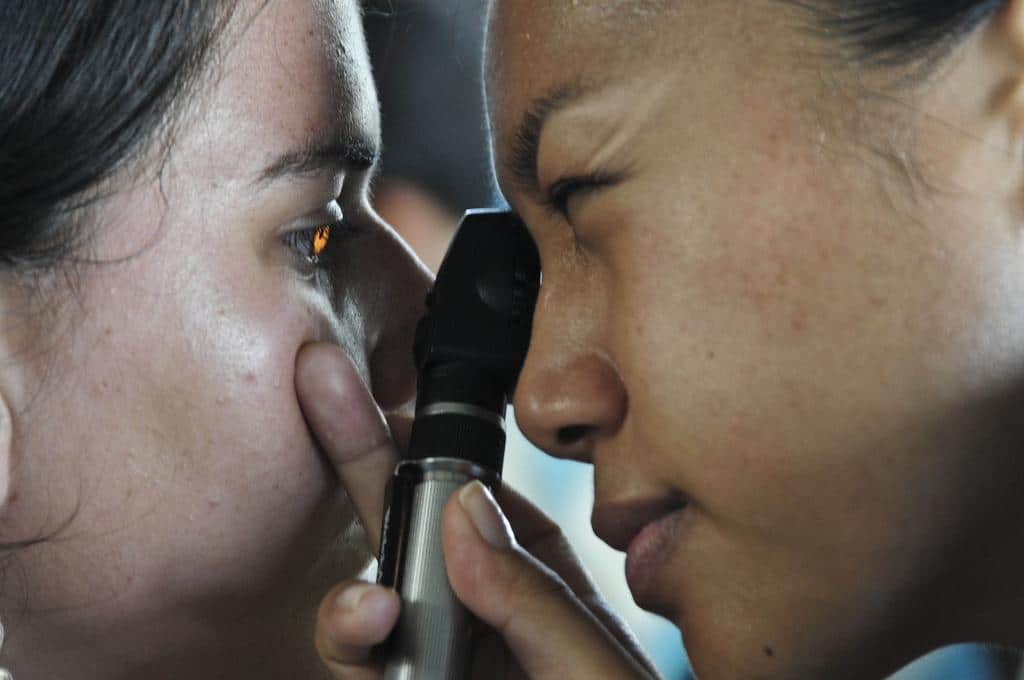
To diagnose high blood pressure by examining a patient’s eyes. Optometrists will check for fluid accumulation in the eye (which could cause edema), blood vessel dysfunction, and inflammation. The diameter of the blood vessels in the eyes may also be measured to determine who is more inclined to develop cardiovascular disease and high blood pressure.
Exhaustive List of Early Signs
To better detect risk factors for specific eye conditions, your optometrist may also ask health-related questions during an examination, such as whether you have high blood pressure. One day, AI might even be included in routine eye exams to more accurately detect people at risk of a heart attack.
Regular eye exams don’t replace traditional medical visits, but because patients are frequently asymptomatic, they are often the first place high blood pressure is detected. Additionally, optometrists might be able to see symptoms of other diseases that can harm the eyes, like diabetes.
Aneurysms, Bubbles in Blood Vessels
An aneurysm indicates a weakened area in the wall of a blood vessel, which may lead to leakage or rupture. It can cause various symptoms, such as severe headache on one side or facial and bodily function loss. A life-threatening condition, an aneurysm demands prompt medical treatment.
Brain Tumor
Tumors may often cause increased brain pressure, indirectly impacting the eyes. The swelling near the back of an eye can affect the optic nerve, which is observable by an eye doctor. The signs may include loss of peripheral vision, certain double vision, or a change in pupil size, indicating the presence of a brain tumor.
Cancer Diagnosis
An eye examination can reveal various forms of cancers, such as those found in blood, tissue, or skin. The outer part of the eye and eyelids may be affected by skin cancers, with types like basal cell, squamous cell, and melanoma being the most common. Leukemia and lymphoma can affect the deeper interior parts of the eye, while tumors from other areas, like the breast, may spread to ocular structures.
Diabetic Retinopathy
The presence of yellow fluid or blood leaking from the retina’s small blood vessels signifies diabetic retinopathy. It can manifest in eye tissue before the diagnosis of diabetes. Detecting it early can help prevent severe complications, including loss of vision.
Giant Cell Arteritis
GCA, an inflammation that affects medium-sized arteries running through the arms, upper body, neck, and eyes, could lead to blurred vision, double vision, or loss of vision. Dilated eye examination and blood tests can help diagnose GCA early, allowing for timely medical intervention and avoiding blindness or even death.
Heart Disease
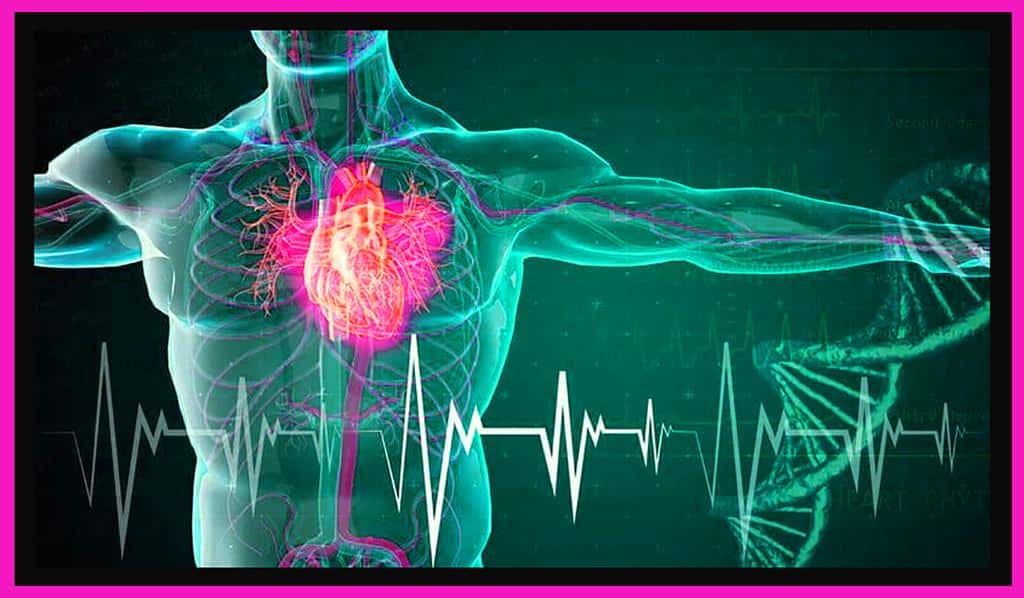
Eye images obtained by an imaging device known as optical coherence tomography can show microscopic marks left by an eye stroke, revealing early signs of heart disease. The marks can occur in healthy individuals but are present in higher numbers among people with heart disease.
High Cholesterol
A yellow or blue ring around the cornea and deposits in the blood vessels of the retina may indicate high cholesterol, especially in individuals below the age of 40. High cholesterol, if left untreated, may prompt a life-threatening stroke.
Lupus
Lupus is an inflammatory disease that may result in dry eyes and swellings in various parts of the eye, such as the white part, middle layer, or the light-sensitive tissue in the back of the eye.
Lyme Disease
Lyme disease is a bacterial infection that spreads through ticks and causes inflammation throughout the body. Individuals with Lyme disease may experience optic nerve inflammation and an increase in floaters during the onset of infection.
Medication Toxicity
Certain medications may prove toxic to the optic nerve and retina. The toxicity can trigger symptoms like red, scaly eyelids, red eyes, scratchy corneas, or conjunctivitis.
Multiple Sclerosis
Inflammation of the optic nerve may indicate the onset of multiple sclerosis, a degenerative disease of the nervous system. Blurred vision, eye movement pain, or double vision often accompany this inflammation.
Myasthenia Gravis
Myasthenia gravis is an autoimmune disease that causes muscle weakness and fatigue. This disease’s initial symptoms often affect the eyes, with drooping eyelids in one or both eyes being the most common sign. Other symptoms may include double vision, weakness in limbs, or life-threatening breathing, talking, chewing, or swallowing problems.
Rheumatoid Arthritis
RA causes red eyes with severe pain in most patients. The symptom may signify scleritis, a painful white part of the eye inflammation that requires medical intervention. Dry eye is also prevalent, affecting many people suffering from RA.
Sarcoidosis
Sarcoidosis is an inflammatory disease that affects various body parts, including the eyes. This disease can trigger painful eye inflammation, known as iritis. In this condition, the iris, which is the colored part of the eye, becomes inflamed, causing sensitivity to light.

Sexually Transmitted Diseases
Several STDs, such as herpes, syphilis, chlamydia, HIV, gonorrhea, genital warts, and pubic lice, may affect different layers of the eye. Eye exams may help detect these severe conditions early, leading to timely interventions.
Sickle Cell Disease
Sickle cell disease, a genetic blood disorder, can cause the development of stiff, comma-shaped red blood cells that obstruct blood flow in the body, leading to various ocular changes. These changes can range from redness and burst blood vessels on the eye’s surface to severe hemorrhages and retinal detachment inside the eye.
Sjögren’s Syndrome
This autoimmune disease targets the glands that produce tears and saliva, causing dry eye as a primary symptom. Burning or stinging in the eyes, blurry vision, and dry mouth are other potential symptoms of this disease.
Stroke
Blockages or clots in the retina’s blood vessels can cause sudden blind spots, with the feeling of a “curtain” closing over one’s vision. These may indicate an increased risk of stroke. A loss of side vision may also imply brain damage caused by a previous stroke.
Thyroid Disease
Retracting eyelids and protruding eyeballs are classic symptoms of hyperthyroidism caused by Grave’s Disease. This occurs when the thyroid gland produces excessive or insufficient hormones. Dry eyes, blurry vision, or vision loss may coincide with this condition.
Vascular Diseases
Subconjunctival hemorrhages or visible bleeding in and around the eye may occur due to clotting disorders and bleeding disorders caused by vascular diseases. These disorders may result in retinal hemorrhages that pose a threat to vision.

Vitamin A Deficiency
Vitamin A deficiency triggers two significant symptoms: dry eyes and night blindness. The body cannot produce adequate moisture to lubricate the eyes without enough vitamin A. The deficiency can also lead to night blindness by inhibiting the production of pigments essential for proper retina functioning. Worldwide, Vitamin A deficiency is the main cause of preventable blindness in children.
However, it’s crucial to remember that experiencing these symptoms does not guarantee a particular health condition. Whenever a possible health problem arises during an eye exam, an ophthalmologist will likely recommend further testing by a specialist or a primary care provider.
The American Academy of Ophthalmology suggests that every adult undergo a comprehensive eye examination at age 40 when early signs of disease or vision changes may first appear. If you have risk factors like high blood pressure, diabetes, or a genetic predisposition to eye disease, do not wait. Schedule an eye exam at an earlier age.
Conclusion
Regular eye exams are crucial for detecting potential risk factors for various eye conditions and systemic health problems like heart disease or high cholesterol. Eye doctors can see symptoms that may indicate serious medical issues like brain tumors or autoimmune diseases early, allowing for timely medical interventions that could reduce the risk of severe complications. While experiencing certain symptoms doesn’t necessarily indicate a particular health condition, it’s essential to seek prompt medical attention whenever an eye exam reveals any potential problems. The American Academy of Ophthalmology recommends scheduling a comprehensive eye examination at age 40 with earlier screenings for those with risk factors like high blood pressure, diabetes, or a family history of eye disease.


