
Cannabis has been used for centuries as a recreational drug, but in recent years it has also been gaining traction as an alternative medicine. With the growing acceptance of its use, many people are becoming more aware of the various components of cannabis that make up this powerful plant.
From terpenes to cannabinoids and everything in between, understanding each component can help you better understand why cannabis is such a versatile substance with numerous potential benefits.
Therefore, this article will explore some of the key components of cannabis and how they work together to create its effects. Armed with this knowledge, you’ll be able to make informed decisions about which type or strain of cannabis is best suited for your needs!
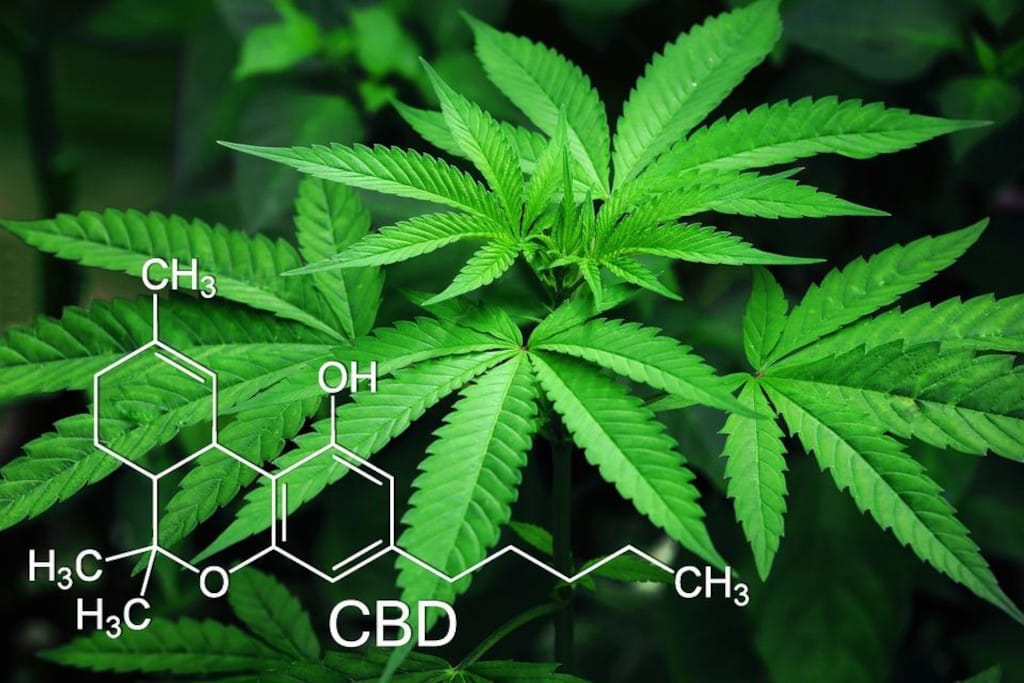
Tetrahydrocannabinol
THC is the most well-known component of cannabis. It’s the chemical responsible for producing the psychoactive ‘high’ associated with cannabis use. THC binds to specific receptors in the brain and changes how cells communicate with one another, creating an altered reality and leaving users feeling relaxed, euphoric, and sometimes even heightened creativity.
Additionally, THC has been studied for its therapeutic potential, as it has been shown to reduce inflammation, regulate appetite, and provide pain relief.
However, it’s important to remember that THC can also be addictive, and certain doses can result in paranoia and anxiety. Therefore, if you choose to use cannabis products, it’s essential to know your limits and respect them accordingly.
Hexahydrocannabinol
HHC is a less common cannabinoid found in cannabis. HHC is similar to THC and works similarly but has different effects on the body. An intense psychedelic high that is more pronounced than what you would experience with THC and also lasts longer, defining HHC in comparison to THC. And due to its intense and prolonged effects, HHC is often used more for recreational purposes than medical ones.
On the other hand, research has suggested that HHC could be useful in treating certain types of pain, inflammation, and depression. It is usually found in higher concentrations in indica strains of cannabis and can be an effective treatment for certain medical conditions.
However, make sure to proceed with caution, as HHC can be riskier than THC and should only be used under the guidance of a doctor or professional. There are also potential interactions with certain medications, so make sure to speak to your doctor first if you are considering using this component of cannabis.
Cannabidiol
CBD is one of the most studied components of cannabis due to its potential therapeutic effects. Unlike THC, CBD does not produce a ‘high’ but instead works on the body’s endocannabinoid system to promote relaxation and reduce pain and inflammation.
Many studies have been conducted on CBD, suggesting that it can help with a variety of ailments, such as chronic pain, anxiety, depression, and even seizures. It’s an effective alternative to conventional medications for these conditions and is usually well-tolerated by most people.
For instance, a study conducted in 2017 showed that CBD was effective at reducing inflammation and pain in rats. This suggests that it could be an effective treatment for arthritis, multiple sclerosis, and other inflammatory conditions.
However, CBD can interfere with certain medications, such as blood thinners, so it’s always best to check with your doctor if you plan on adding CBD to your treatment regimen.
Terpenes
Terpenes are the aromatic molecules found in cannabis plants that provide their distinct smell and flavor. Different terpenes can be found in different cannabis strains, giving the user a unique experience.
Terpenes are not just responsible for flavor and aroma; however, they also play an important role in the plant’s therapeutic actions. For example, some terpenes have been shown to have anti-inflammatory properties, while others provide relaxation and stress relief.
Additionally, terpenes interact with the other components of cannabis, such as cannabinoids and flavonoids, to produce a synergistic effect known as the “entourage effect.” This helps to boost the therapeutic potential of cannabis and can enhance its effectiveness for specific medical conditions.
Moreover, terpenes can also enhance the flavor and aroma of cannabis, making it more enjoyable for recreational users.
Flavonoids
Flavonoids are another type of compound found in cannabis that has been gaining attention for their potential therapeutic effects. Flavonoids are plant-based molecules that are responsible for the bright colors, flavors, and aromas of many fruits and vegetables.
In cannabis plants, flavonoids interact with other components, such as cannabinoids and terpenes, to produce an entourage effect similar to the one produced by terpenes. These compounds are thought to have many potential therapeutic benefits, including anti-inflammatory and antioxidant effects.
On the other hand, flavonoids are not as well-studied as other components of cannabis, and the exact mechanisms of action are still largely unknown. However, research is ongoing, and more information about the potential therapeutic effects of these compounds is sure to come.
Chlorophyll
Chlorophyll is a green pigment found in all plants, including cannabis. It is the compound that gives cannabis its distinct green color. Chlorophyll helps to absorb light and convert it into energy for the plant. It also has numerous health benefits and can help to reduce inflammation, improve digestion, protect against cancer, and promote wound healing. The level of chlorophyll in cannabis can vary depending on a variety of factors, including the strain and growing conditions.
However, cannabis that has higher levels of chlorophyll can be more difficult to process, as it is harder to extract the desired compounds from. For this reason, it’s important to consider the strain and growing conditions when selecting a cannabis product.
Conclusion
Cannabis is made up of many different components that each have their unique properties. Cannabinoids and terpenes are responsible for the plant’s therapeutic effects, while flavonoids and chlorophyll help to enhance these effects. There’s even a cannabis compound capable of fighting superbugs like MRSA!
Additionally, CBD is effective at reducing inflammation and pain in rats as well as helping with a variety of ailments such as chronic pain, anxiety, depression, and even seizures.
If you want to experience the beneficial effects of cannabis, it’s important to be aware of the different components and their effects. By doing so, you can ensure that you are using a product that is best suited to your needs.


