
A large area off the coast of Massachusetts is being opened up for commercial wind energy leases, Gov. Deval Patrick and U.S. Interior Secretary Sally Jewell said Tuesday.
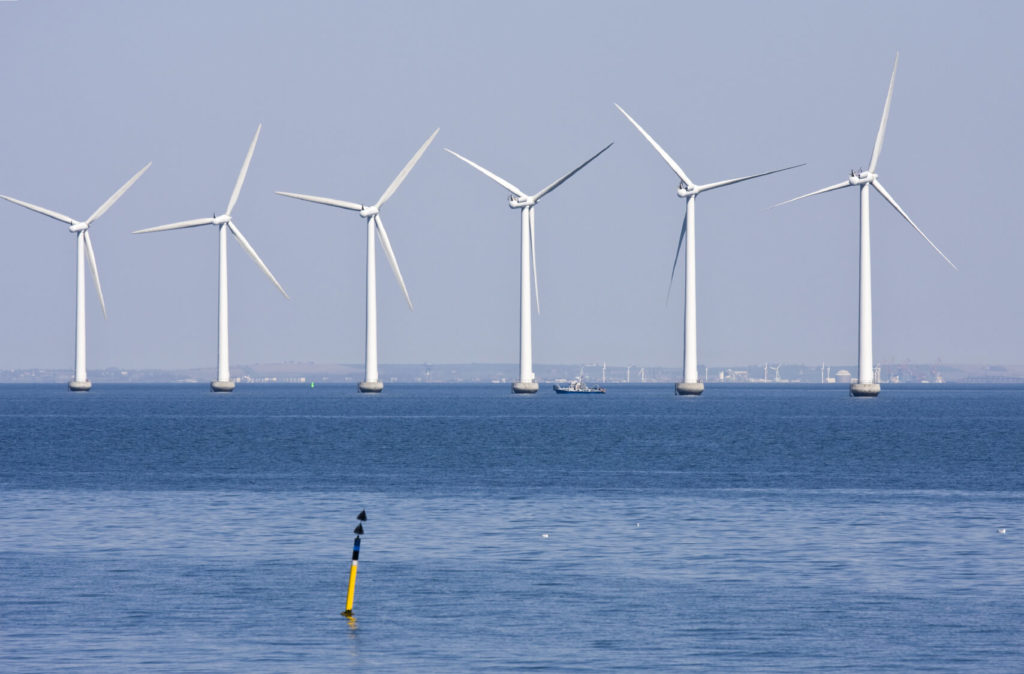
The proposed area is more than 742,000 acres, or more than 1,160 square miles, an area larger than Rhode Island’s land area. This almost doubles the federal offshore acreage available, making it the nation’s largest offshore wind farm project and likely the first offshore wind farm in service in U.S. territorial waters.
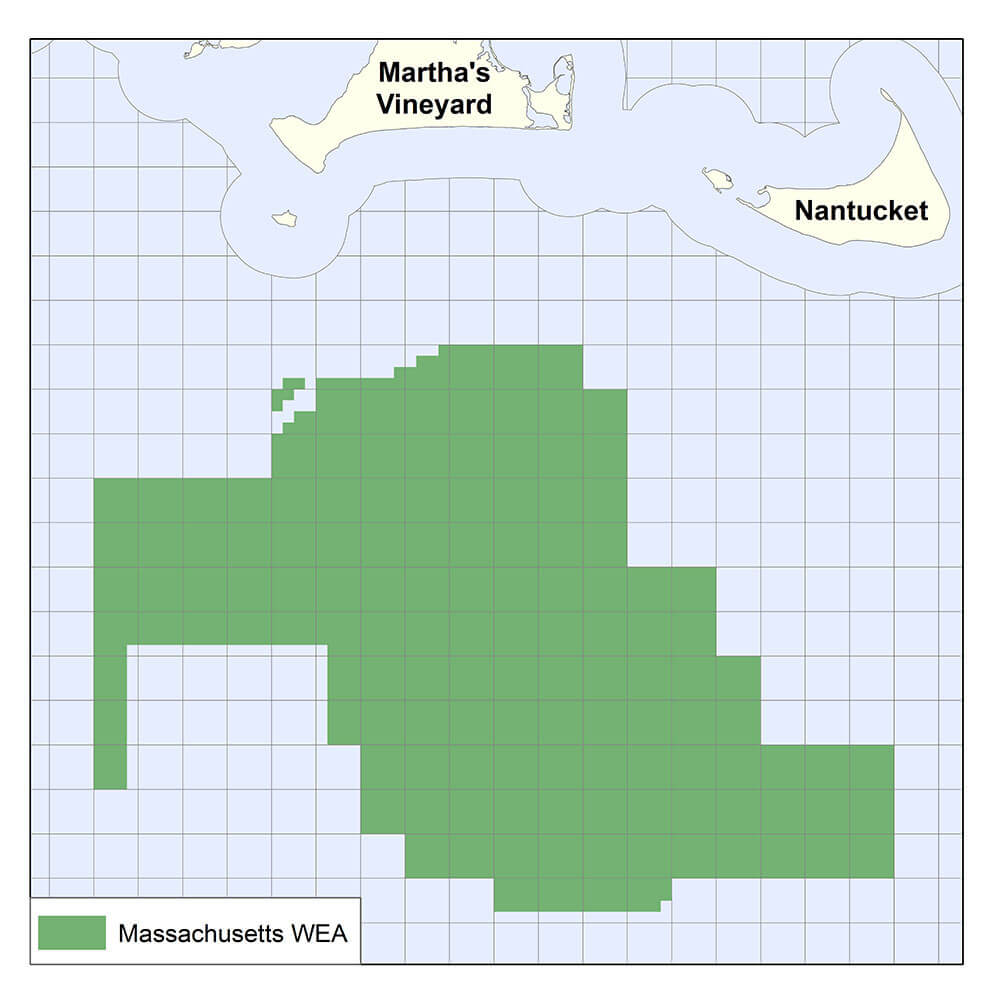 The area, to be auctioned as four leases, is 12 miles south of Martha’s Vineyard. From its northern boundary, the area extends 33 nautical miles southward, and from east to west, it extends approximately 47 nautical miles. Fourteen offshore wind energy companies have already shown interest in the leases, and that number is likely to grow. Officials hope to sell the four leases before the end of the year.
Sally Jewell said federal officials have learned from the hurdles that have faced Cape Wind, the first-in-the-nation offshore wind farm slated to be built in Nantucket Sound.
The Cape Wind project has been in the works for more than 12 years and has faced opposition and lawsuits, largely because it would be much closer to the shore.
“We put in zones that we believe have both high potential and lower conflict,” Jewell said. “But it’s going to actually get down to a specific construction plan on a specific site and (an environmental) analysis to determine what people want to do economically and what that impact is going to be.”
Although it is unclear how many wind turbines will be built, the Bureau of Ocean Energy Management Acting Director Walter Cruickshank said there’s potential in the area for “a few hundred turbines.”
Federal regulators have already determined “no reasonably foreseeable significant impacts” are expected to occur as a result of issuing wind energy leases.
In a Press Release by Secretary Jewell, she states: “Massachusetts is leading the way toward building a clean and sustainable energy future that creates jobs, cuts carbon pollution and develops domestic clean energy resources.”
So far, the government has awarded five commercial wind energy leases off the Atlantic Coast, including Cape Wind and an area off Delaware. Two competitive leases have also been awarded in the Massachusetts-Rhode Island area and Virginia.
Patrick said offshore wind power is a potential boon for Massachusetts, which has no oil or coal reserves. “We sit at the end of the energy pipeline and we are held in some sense hostage to the fossil fuel roller-coaster,” he said. “Offshore wind… represents an opportunity to create our own Massachusetts-made energy.”
Patrick said his administration has been trying to position Massachusetts as “a hub of offshore wind,” pointing to the construction of a marine commerce terminal in New Bedford, which he called a first-in-the-nation facility to support the construction and deployment of offshore wind.


[…] The EU has long been a leader in offshore wind development, and in 2013, most the EU’s new offshore wind was installed in the U.K. The U.S. doesn’t currently have any offshore wind farms, but 742,000 acres, positioned 12 miles off the coast of Massachusetts, have opened up to offshore wind leases. […]