
For older adults, a visit to the dentist can feel like a significant undertaking—and not just because of the procedures. The hassle includes:
- Scheduling appointments
- Remembering visit times
- Filling out repetitive forms
- Waiting far too long in the lobby
Add in mobility concerns, memory lapses, or managing care for a spouse, and that “routine checkup” suddenly becomes anything but routine.
But there’s a quiet shift happening in dental offices. Smart technology—especially AI-powered tools—is making trips to the dentist simpler, smoother, and yes, even more enjoyable. Whether you’re 65 or 85, these upgrades are transforming what it means to maintain a healthy smile in your later years.
Particularly, systems such as Viva AI are spearheading this transformation. They offer features that act like a full-time digital assistant, handling the small stuff so patients and their caregivers can focus on what matters. From setting up reminders to answering after-hours questions, tools like these function as a kind of 24/7 receptionist for your dental clinic—without the hold music or voicemail tag.
Let’s explore how AI is reshaping senior dental care from the moment an appointment is booked to the follow-up check-in weeks later.
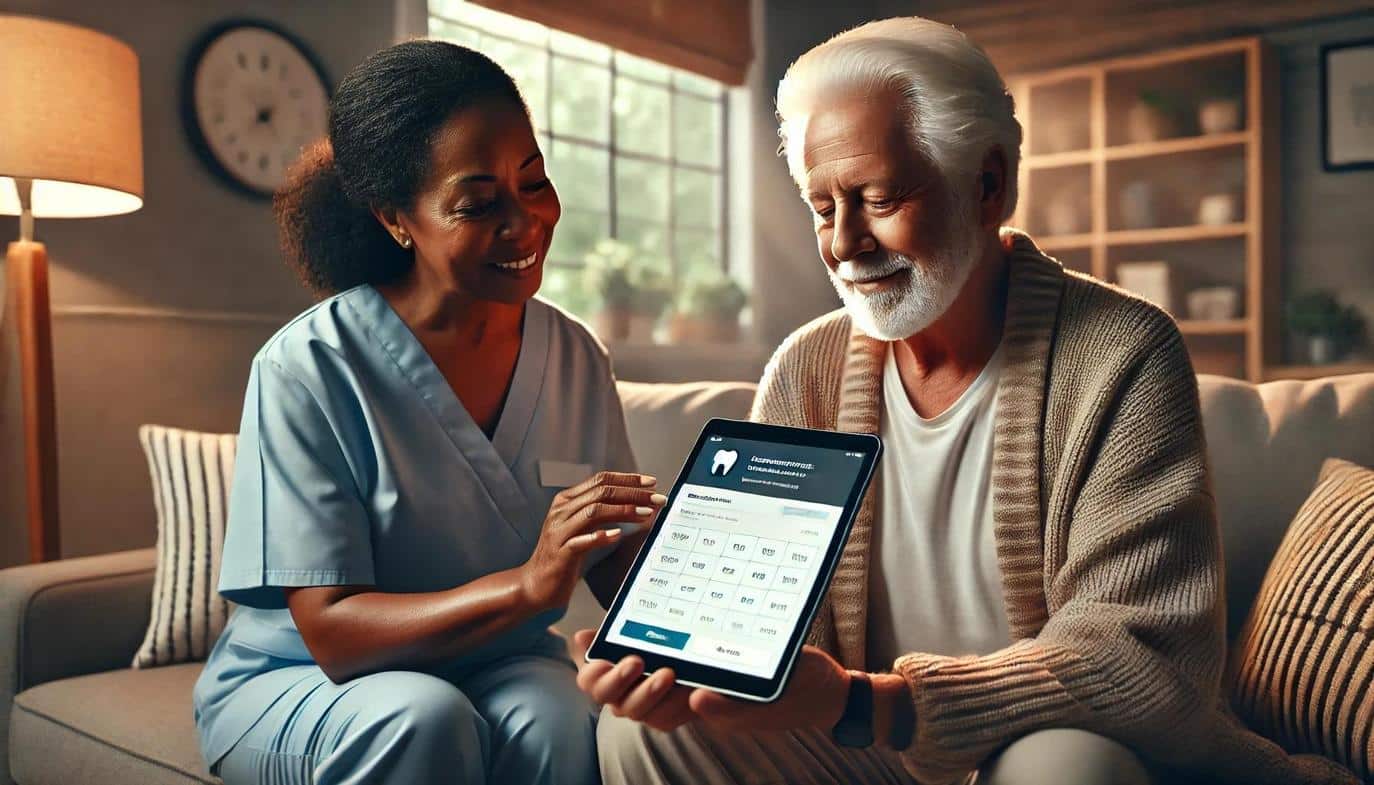
Streamlined Booking and Appointment Management
For seniors, especially those who aren’t glued to their smartphones, making an appointment often means calling a clinic, waiting on hold, and trying to explain needs in real-time. That gets even harder for those with hearing difficulties or memory impairments.
AI-powered systems streamline this step with smart scheduling tools. Instead of relying on phone calls, patients or their caregivers can book online through easy-to-navigate platforms. These systems instantly confirm the booking, offer times based on availability and past history, and even allow quick rescheduling if plans change.
A key advantage is that these tools are available 24/7. If it’s 10 p.m. and a patient suddenly remembers they need to move their cleaning, the system is ready to help—no receptionist required. That kind of around-the-clock flexibility makes care more accessible, especially for those balancing caregiving responsibilities or managing their own chronic health issues.
Automated and Personalized Patient Reminders
Even the most independent seniors sometimes forget about a dental appointment—especially if it was booked months in advance. Traditional reminders (like one phone call the day before) aren’t always enough.
AI systems solve this with smart, multi-channel reminders. They can send gentle nudges via text, email, or even voice calls, depending on what the patient prefers. If something changes—say, the dentist is running behind or the weather makes travel unsafe—the system updates the patient automatically.
This reduces no-shows and last-minute cancellations. More importantly, this automation reduces stress, as patients and caregivers no longer need to manually track appointments. The system functions like a reliable digital assistant, managing the calendar for them.
Proactive Care with Pre-Visit Intelligence
Once upon a time, every dental appointment started with the same tedious tasks:
- Filling out forms
- Updating medication lists
- Answering the same questions as the last visit
This process is especially challenging for seniors who may have complex medical histories or memory loss.
Modern AI systems help clinics manage this differently. Before the appointment, patients can receive digital forms that are easy to fill out at home or with help from family. If the patient is a returning one, the system remembers key details and asks only for updates—saving time and avoiding redundancy.
Furthermore, some advanced tools can flag potential clinical issues ahead of time. For example, if a patient is taking a new blood thinner or has recently been hospitalized, the system can alert staff to adjust care accordingly. That makes the visit safer and more tailored to the individual.

Cutting Down Wait Times (and Boredom)
One common complaint from older patients? Long waits once they arrive. For those with arthritis, balance issues, or fatigue, even a 30-minute delay can feel exhausting.
AI tools help offices run on time by managing schedules more efficiently. They analyze patterns (like which procedures usually take longer or which patients tend to run late) and adjust the daily flow to reduce bottlenecks. The result? More realistic scheduling and fewer delays.
Some systems even send alerts if the clinic is running behind, so patients don’t arrive too early and waste time in the waiting room. That small adjustment can significantly improve the comfort and convenience of the visit—especially for those who use transportation services or rely on others for rides.
Extending Care Beyond the Clinic with Automated Follow-Ups
The dental visit doesn’t end when the patient leaves the chair. Whether it’s remembering to rinse with salt water, schedule a follow-up, or manage new dentures, there’s always something to keep in mind.
Here’s where AI shows real staying power. Smart systems can send follow-up instructions that are easy to read and refer back to later. No more digging through paper printouts or trying to remember what the hygienist said.
If there’s a post-visit survey or check-in, the system can nudge the patient gently. If they don’t respond, a caregiver can be alerted. It creates a loop of care that doesn’t end when the appointment does—and that’s a big deal for seniors who might need more reminders or support.
Helping Caregivers Help
Many older adults don’t handle their health tasks alone. Whether it’s a spouse, adult child, or professional caregiver, someone else is often involved behind the scenes.
AI tools are designed with this in mind. With the patient’s permission, AI tools can loop caregivers into important communications, including appointment reminders, scheduling updates, and follow-up instructions.
This eliminates the need for caregivers to make repeated calls to the front desk to confirm if a loved one attended their appointment or if a follow-up is required. This takes pressure off the caregiver and helps the patient stay on track—without awkward gaps in communication. It’s a win-win that respects privacy while supporting shared care.
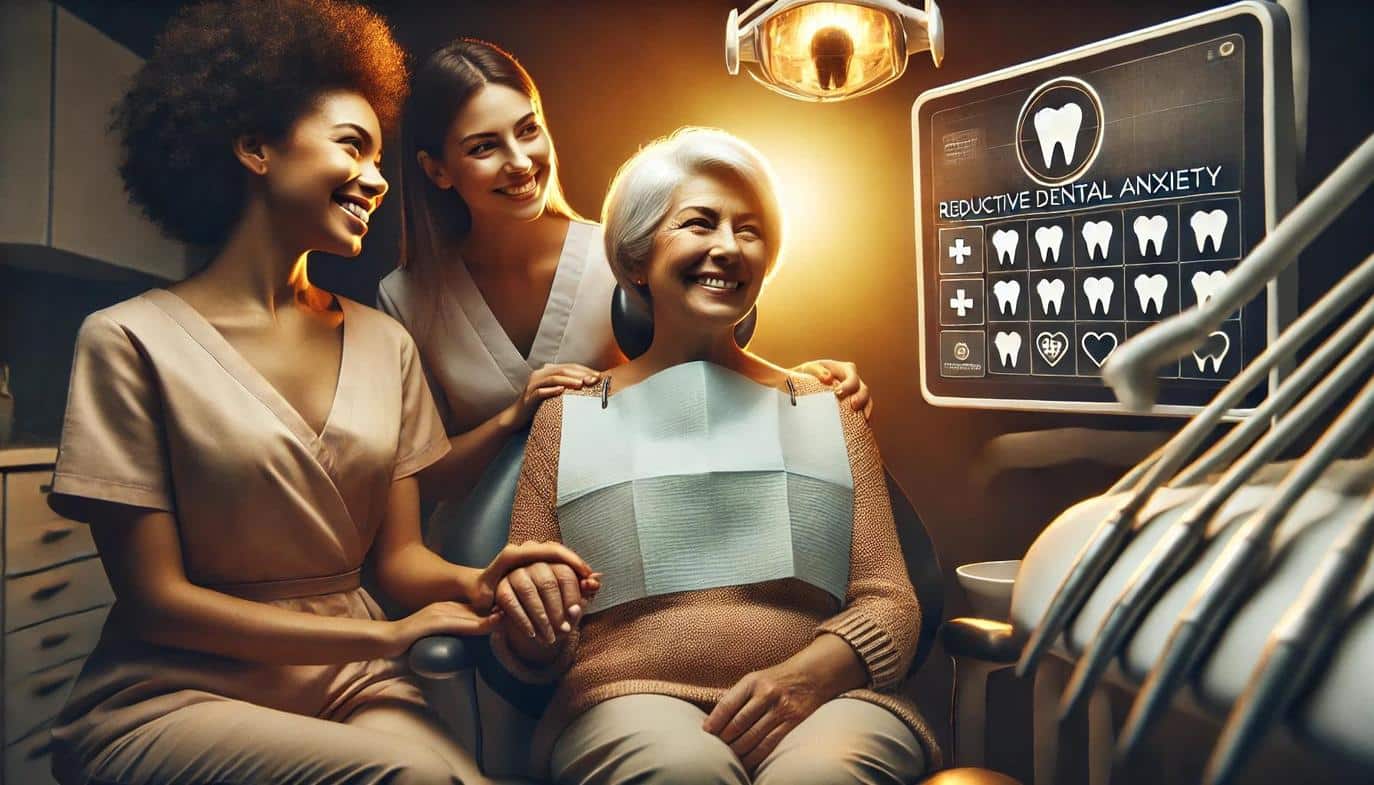
The Emotional Payoff: Less Anxiety, More Confidence
Let’s not forget the emotional side. Dental anxiety is common, and it doesn’t go away with age. In fact, for many older adults, bad memories of past procedures or fear of pain can keep them from booking appointments altogether.
The smoother and more predictable a dental visit becomes, the less there is to fear. AI doesn’t just streamline logistics—it helps patients feel cared for, not forgotten. Knowing that their dentist is running on time, their forms are handled, and they’ll get a reminder before their next appointment can make all the difference.
And for those who might feel “out of the loop” with today’s tech, a well-designed AI system isn’t a barrier—it’s a bridge. It speaks their language (literally and figuratively), adapting to preferred communication styles and simplifying what used to be complex.
A Future That Feels Personal, Not Robotic
There’s a common fear that tech will take the “human” out of healthcare. But when done right, AI does the opposite—it frees up staff from paperwork and phone calls so they can focus more on personal care.
This creates a win-win scenario.
For seniors, it means:
- More face time with the dentist
- Better, more consistent follow-up
- Fewer gaps in their treatment plan
For clinics, it results in:
- Fewer missed appointments
- Smoother, more efficient workflows
- Happier, more loyal patients
Whether it’s answering questions late at night or sending a birthday reminder for a six-month cleaning, systems like Viva AI are turning the dental experience into something more intuitive, more inclusive, and yes—more human.
The Human Touch, Enhanced by Technology
The future of senior dental care is not about replacing the human element but enhancing it. AI-powered tools are designed to handle the administrative burdens—scheduling, reminders, and paperwork—freeing up dental staff to focus on what truly matters: patient care and connection. For seniors and their caregivers, this shift means a more predictable, less stressful, and highly personalized dental experience. By embracing smart technology, dental practices can reduce patient anxiety, improve communication, and deliver a higher standard of care that makes every patient feel seen, heard, and valued.
Frequently Asked Questions About AI in Senior Dental Care
How does AI make dental appointments easier for seniors?
AI simplifies the process by automating scheduling, sending personalized reminders via text or voice, and allowing digital form completion from home. This reduces the logistical stress for both seniors and their caregivers, making it easier to manage appointments without constant phone calls.
Can AI technology reduce dental anxiety in older adults?
Yes. By creating a more predictable and efficient experience, AI helps reduce common anxiety triggers. When patients know the office is running on time, their medical history is already updated, and they will receive clear follow-up instructions, the entire visit feels less stressful and more controlled.
How does AI help caregivers manage a senior’s dental care?
With patient permission, AI systems can loop in caregivers on appointment reminders, scheduling changes, and post-visit instructions. This shared communication ensures the caregiver is always informed and can provide better support without having to play phone tag with the dental office.
Is the AI system difficult for seniors to use?
No. Modern AI tools like Viva AI are designed to be user-friendly and adaptable. They can communicate via simple text messages, emails, or even automated voice calls, allowing seniors to interact in the way that is most comfortable for them, without needing to be tech-savvy.


