
Searching for the right apartments for rent in the UAE involves more than just browsing listings; it’s about finding a sanctuary that matches your lifestyle and professional ambitions. A maturing real estate landscape requires tenants to adopt a strategic approach, ensuring they balance high-end luxury with long-term financial prudence in the UAE rental market.
Whether you’re drawn to the high-energy pulse of a coastal skyscraper or the quiet serenity of a suburban townhouse, knowing how to navigate these choices is vital. The market is defined by fluctuating rent prices, varying leasing terms, and strict rental laws. Consequently, navigating this environment effectively requires meticulous preparation.
According to Bayut’s 2025 market report, high demand translates into a fast-moving environment where only the most prepared renters secure the most favourable terms.
This guide explores everything you need to know about renting apartments in the UAE, from understanding local rental laws to finding property options that align with your budget.

Mastering the UAE Rental Market Landscape
From sleek, metropolitan studios to expansive luxury high-rise residences, the selection of apartments for rent in the UAE offers something for every demographic. Mastering this market means looking beyond the aesthetic to find a home that serves your unique functional needs.
Popular Areas for Renting Apartments in the UAE
Selecting the right neighbourhood is the most significant choice you will make when exploring apartments for rent in the UAE. Each district offers a distinct lifestyle, ranging from high-octane city living to tranquil family hubs. Consider these sought-after locations for your next home:
- Dubai Marina and Jumeirah Beach Residence (JBR): Known for luxury apartments and beach proximity, these areas attract expats and professionals.
- Downtown Dubai: As a global epicentre for prime real estate, this district offers an unparalleled urban lifestyle adjacent to the Burj Khalifa, though it commands a premium cost for its prestigious address.
- Al Barsha and Dubai Silicon Oasis: Offering more affordable housing options, these areas are popular with families and young professionals.
- Abu Dhabi Corniche: A central location in the capital, featuring a variety of rental apartments near the waterfront.
Finding a balance between your personal preferences and the average rent prices in these areas ensures that you secure the best possible value. This strategic selection process ultimately determines your long-term satisfaction and comfort within the Emirates.
Critical Search Criteria for Your UAE Property Search
When browsing apartments for rent in the UAE, keep several key factors in mind to ensure your rental experience remains smooth and cost-effective.
Budget and Rent Prices
The cost of rent varies significantly based on size, location, and amenities. Lock in your financial boundaries early to prevent future strain and ensure your lifestyle remains sustainable.
In Dubai’s premium hubs—such as Dubai Marina or Downtown—annual rates for a one-bedroom unit frequently exceed AED 100,000. Conversely, more affordable areas like Al Qusais or Deira offer comparable apartments for significantly lower rates.
Strategising Your Payment and Lease Terms
Most UAE property for rent requires upfront payments, typically divided into one to four cheques. Flexible monthly payments are slowly gaining traction, yet the traditional system of post-dated cheques remains the standard for most property for rent in the UAE. Review lease terms carefully, especially regarding the payment schedule and additional costs such as maintenance fees, utility charges, and parking.

Essential Legal Safeguards and UAE Rental Laws
Before signing a lease agreement, you must familiarise yourself with the UAE rental laws, which protect both landlords and tenants. The law ensures fair rental practices and prevents issues like unauthorised rent hikes or evictions without proper notice.
Key Aspects of UAE Rental Law
Navigating the complexities of local legislation is easier when you understand the foundational pillars of the UAE rental laws. These regulations are designed to provide a balanced framework for both parties. Key legal protections include:
- Regulated Rent Increases: Landlords must adhere to the RERA rental price index and provide appropriate notice before adjusting rates.
- Security Deposit Protection: Standard security deposits—typically 5% for unfurnished units—are fully refundable, provided the residence is returned without damage beyond normal fair wear and tear.
- Defined Eviction Protocols: Residents are protected from arbitrary eviction, requiring a 12-month legal notice period for most scenarios.
- Mandatory Written Contracts: All tenancy agreements must be formalised in writing to ensure the rights of both parties are enforceable.
Adhering to these guidelines minimises the risk of disputes and ensures a transparent relationship with your landlord. Knowing these rules empowers you to negotiate with confidence throughout your residency.
Crafting a Bulletproof Tenancy Agreement
A comprehensive tenancy agreement serves as the ultimate safeguard for your living arrangements. You should never sign a contract without verifying that every detail aligns with your verbal negotiations. Ensure your lease includes the following essential terms:
- Lease Duration: Most standard contracts are signed for one year, with options for long-term extensions.
- Rent Payment Terms: Clearly define the payment schedule and the specific mode of payment, such as post-dated cheques.
- Maintenance Responsibilities: Outline who is responsible for day-to-day repairs versus major emergency fixes.
- Renewal and Termination Clauses: Establish the required notice period for ending or extending your stay.
Documenting these vital specifics eliminates ambiguity, effectively separating a high-stress rental process from a seamless, protected transition into your new home.
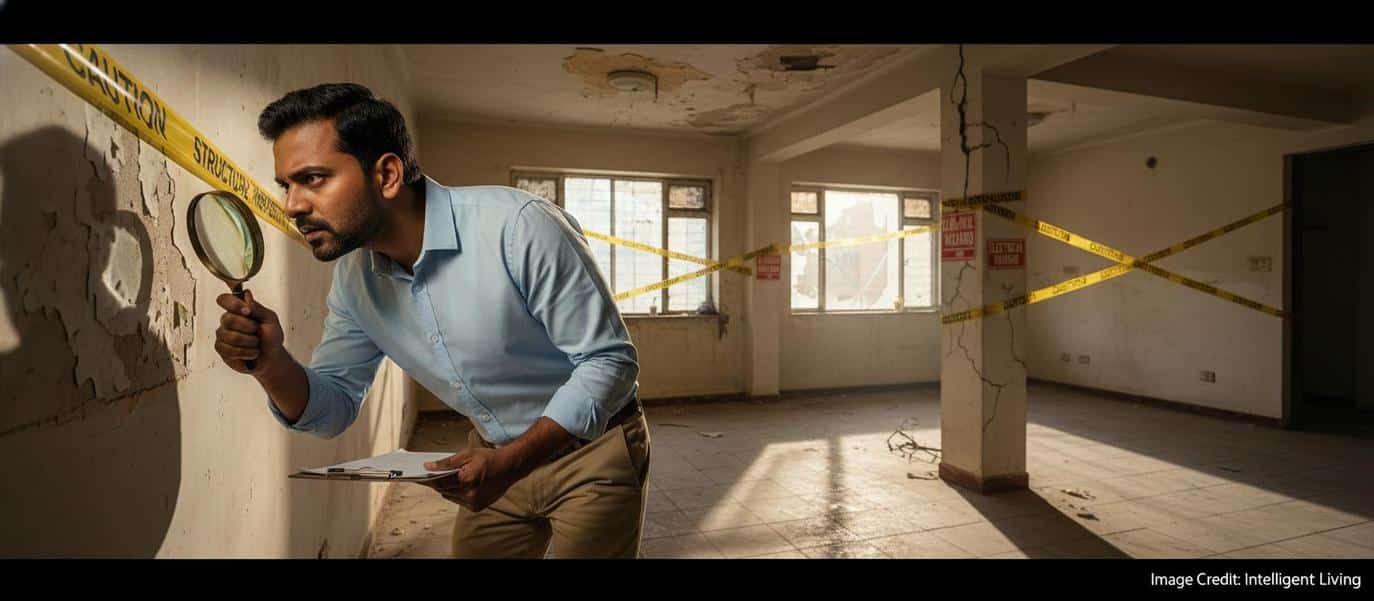
Risk Management: Avoiding Common Rental Pitfalls
While renting an apartment in the UAE is often straightforward, avoid these common pitfalls:
Essential Due Diligence Before Signing
- Neglecting a Thorough Lease Review: Prospective residents often rush the move-in process. This haste frequently leads to overlooking critical clauses within the lease agreement. Ensure all terms are negotiated and clear before signing.
- Overlooking Hidden Costs: Always look beyond the sticker price. Recurring costs like chiller fees, DEWA deposits, and Ejari registration can quickly impact your liquidity if not accounted for during the initial search for apartments for rent in the UAE.
- Failing to Document Property Condition: Before moving in, take photos of the property to avoid disputes over damages later. This helps ensure you receive your full security deposit back.
- Ignoring Rent Increase Clauses: Know how much your rent could potentially rise. While increases are regulated, understanding the cap on hikes protects your long-term budget.
- Not Understanding Landlord Rights: Landlords have rights regarding property inspections and evictions. Understanding both sides of the lease ensures a smoother experience.
Renting in the UAE: A Quick Overview
Here is a summary of the key steps involved in renting an apartment:
| Step | What to Expect |
|---|---|
| Search for Apartments | Use online platforms like Bayut, Property Finder, and Dubizzle to find available apartments for rent in UAE. |
| Visit the Property | Always schedule a viewing to inspect the condition of the apartment before committing. |
| Review the Lease Agreement | Read and understand the terms, including rent, payment methods, and maintenance duties. |
| Sign the Agreement | Ensure both parties sign the contract and keep a copy for your records. |
| Move-In and Maintain | Track maintenance requests and ensure rent payments are made on time. |

Final Guidance for Your UAE Rental Journey
Securing property for rent in the UAE requires a blend of patience, research, and prompt action. While the variety of available apartments for rent in the UAE is vast, the most desirable units move quickly, often within days of being listed. Staying updated on market trends and maintaining a clear budget allows you to act decisively when the right opportunity appears.
Your ultimate satisfaction depends as much on your internal preparation as it does on the physical walls of the property. By focusing on transparent tenancy agreements and understanding your rights, you ensure that your stay in the UAE remains focused on the lifestyle you came here to enjoy. Proceed with confidence, and your search for the perfect residence will surely lead to a successful outcome.
Common Questions Regarding Renting in the UAE
1. What are the best areas to rent in the UAE for families?
Flourishing suburban hubs like Dubai Silicon Oasis and Al Barsha provide an ideal environment for families, offering a peaceful retreat paired with proximity to top-tier schools and lush parks.
2. How much is a one-bedroom apartment in Dubai on average?
Annual rent prices in Dubai vary significantly by neighbourhood. In premium districts like Downtown Dubai, you might expect to pay AED 100,000 or more, while more affordable areas like Al Qusais offer units for roughly AED 40,000 to AED 55,000.
3. Can my landlord increase my rent in the UAE arbitrarily?
Rent increases are strictly regulated by the UAE rental laws. Landlords must follow the RERA rental price index and provide at least 90 days’ notice before any changes to the current lease terms take effect.
4. What do I need to rent an apartment in the UAE as an expat?
Prospective tenants typically need a valid Emirates ID, a copy of their passport with a residency visa, and a series of post-dated cheques. Some landlords may also request a salary certificate or proof of employment.
5. How do I get my security deposit back in the UAE?
To ensure a full security deposit refund, document the property’s condition with photos before moving in. Upon moving out, the unit should be returned in the same state, barring normal wear and tear, to avoid deductions for repairs.


