
Your home serves as more than just a physical shelter; it acts as a silent partner in your daily routines and mental well-being. Over time, even the most cherished rooms can begin to feel stagnant as your lifestyle evolves and the familiar becomes mundane. Refreshing these spaces allows you to realign your environment with your current needs, turning a dated layout into a source of renewed inspiration and comfort.
Creating a vibrant living space doesn’t require a master plan for a massive renovation. Small, intentional changes often yield the most profound results, bridging the gap between where you live and how you want to feel. By focusing on contemporary interior design principles like visual hierarchy and biophilic elements, you can craft a home refresh that feels both sophisticated and deeply personal.

Understanding the Psychology of Domestic Renewal
Interior environments profoundly affect mood, productivity, and overall well-being. Research consistently demonstrates that organised, thoughtfully arranged spaces reduce stress and enhance mental clarity. When rooms feel stale or cluttered, this psychological burden manifests as general dissatisfaction or restlessness. Once you recognise these subtle psychological cues, you can channel that awareness into actionable steps for a meaningful home transformation.
The concept of domestic renewal extends beyond surface aesthetics. Creating spaces that genuinely support daily activities and emotional needs requires intentional consideration of how rooms function. Successful refreshes balance visual appeal with practical improvements, ensuring changes enhance rather than complicate everyday life.
Furniture Protection and Modern Textile Innovation
Refreshing furniture textiles is a powerful, often overlooked way to breathe new life into a room. While upholstered pieces anchor your living room, they often show visible wear long before their structural integrity fails, making long-term furniture care essential. Rather than accepting tired appearances or undertaking expensive reupholstering, modern solutions offer remarkable flexibility.
The availability of replacement slipcovers for IKEA sofas by Norsemaison exemplifies how protective textiles have evolved beyond purely functional applications. Custom-fitted covers now provide genuine design opportunities, enabling homeowners to modify colour schemes, experiment with patterns, or adapt to seasonal preferences without permanent commitments. This approach proves particularly valuable in rental situations or for those who enjoy frequent aesthetic changes.
Choosing high-quality slipcovers offers a range of practical and aesthetic benefits for the modern homeowner. By integrating these textiles, you can protect your investment while keeping your decor adaptable.
Selecting the Right Fabrics for Longevity
Key benefits of furniture slipcovers include:
- Superior protection against daily wear, spills, and pet damage.
- Visual transformation that alters the room’s impact instantly.
- Washable fabric options that maintain a level of freshness upholstery can’t reach.
- Cost-effective seasonal rotation that mimics the look of brand-new furniture.
Maintaining these covers is far simpler than deep-cleaning a sofa, ensuring your living space stays hygienic and inviting year-round.
Strategic Lighting Transformation Techniques
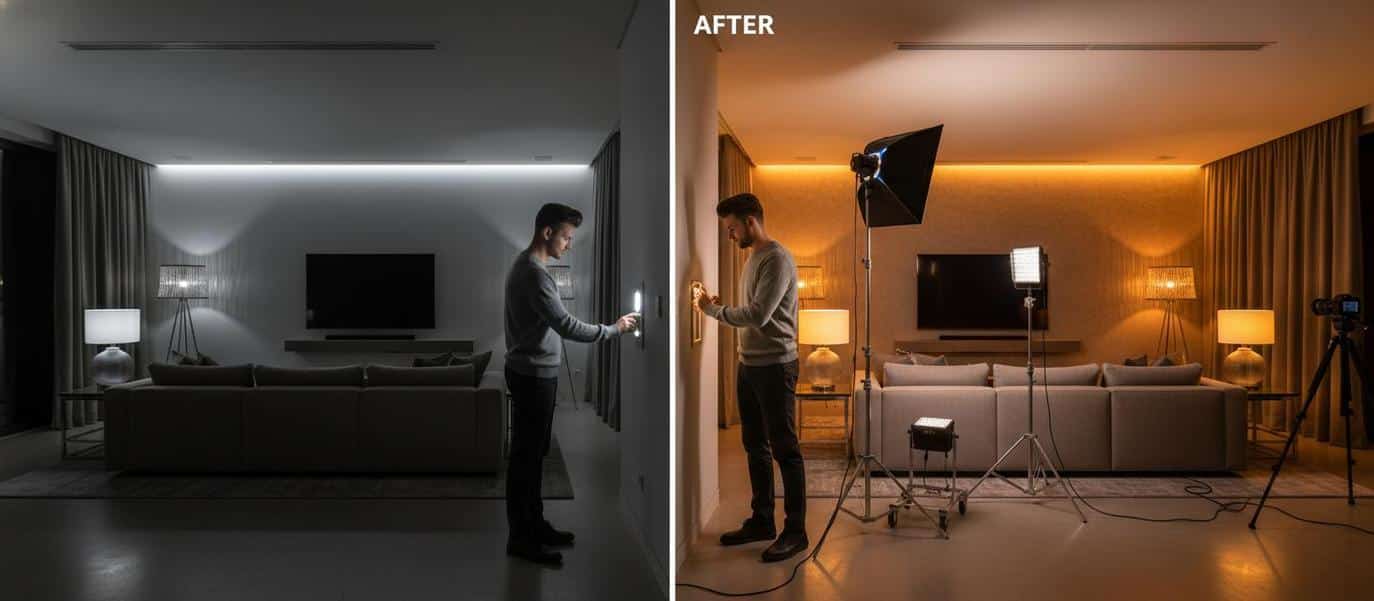
Proper lighting shapes the mood of a room, yet many homeowners overlook it during a redesign. Even a masterfully decorated room can feel flat if it’s hindered by harsh overhead fixtures or an uninspired lighting scheme. Addressing lighting concerns yields immediate, noticeable improvements.
Strategic lighting shifts the focus of a room from flat and functional to warm and inviting. To achieve a professional look, you should look beyond the standard ceiling light.
Consider these illumination upgrades:
- Layering light with table and floor lamps for dimensional depth.
- Installing task lighting to support specific hobbies or workspaces.
- Adding dimmer switches to adjust the room’s mood instantly.
- Swapping dated fixtures for contemporary designs that act as focal points.
Maximising Ambient and Natural Light Layers
These small adjustments ensure your home remains bright and functional regardless of the time of day.
Natural light maximisation deserves equal consideration. Swap heavy draperies for airy window treatments or cellular shades to maintain your privacy while flooding the room with natural daylight. Mirrors strategically positioned opposite windows amplify available natural light, making spaces feel larger and more welcoming.
Colour Psychology and Wall Treatments
Paint represents the most cost-effective transformation tool available to homeowners. A single weekend of work can completely alter room character and perceived dimensions. When you understand how different hues impact your mood, you can choose colours that specifically support how you want to feel in each room.
Selecting a new colour palette is the fastest way to redefine your interior’s personality. Whether you prefer a serene retreat or a bold statement, your paint choice sets the tone.
Popular colour strategies include:
- Warm neutrals (beige, cream, soft grey) for a calm, versatile backdrop.
- Sophisticated bold tones (navy, forest green, and charcoal) for dramatic focal points.
- Strategic accent walls that introduce vibrant energy without crowding the room.
Modern Wall Treatments and Textures
Pairing these colours with the right furniture ensures your home refresh feels cohesive and intentional.
Beyond paint, removable wallpapers offer pattern and texture without permanent commitment. Modern peel-and-stick options install easily and remove cleanly, ideal for renters or those seeking temporary transformations. Textured wall treatments like shiplap, board-and-batten, or picture moulding add architectural interest to generic rooms.

Strategic Decluttering and Organisation
Physical clutter creates mental noise that undermines otherwise attractive spaces. Systematic decluttering proves essential before implementing other refresh strategies. The process need not feel overwhelming when approached methodically, one zone at a time.
Effective organisation begins with an honest assessment of possessions. Possessions that no longer serve a function or reflect your current style act as anchors, weighing down the energy of your home and consuming valuable space. Donation, recycling, or disposal of superfluous belongings creates room for intentional arrangements. Remaining items deserve proper storage solutions, maintaining accessibility while controlling visual chaos.
According to interior design principles discussed in Homes & Gardens, professional designers emphasise that removing Christmas decorations and implementing deep cleaning immediately resets homes for the new year. This approach ensures spaces feel crisp, calm, and ready to begin fresh chapters.
Maintaining Long-Term Domestic Order
Functional storage systems are the backbone of a tidy home. Using closet organisers and decorative baskets keeps your belongings out of sight but within reach. You might also try a simple labelling system. This helps every family member maintain the new order without needing constant reminders.
Textile Layering for Seasonal Adaptation
Fabric selections throughout homes significantly influence comfort and visual warmth. Strategic textile changes represent low-cost, high-impact refresh opportunities adaptable to shifting seasons and preferences. As the seasons shift, so should your fabrics; lightweight cottons and linens bring a cooling touch to summer, while wools and velvets provide essential warmth during the winter months.
As far as interior design accents go, throw pillows offer the quickest and most flexible method for a visual refresh. Changing pillow covers with seasonal transitions refreshes seating areas without furniture replacement. Mix patterns thoughtfully, combining scales and styles united by common colour palettes. Textured fabrics add dimensional interest even in monochromatic schemes.
Window treatments deserve similar attention. Heavy winter draperies exchanged for airy summer curtains alter room character while affecting temperature regulation. Layering sheers with heavier panels provides flexibility for varying light control and privacy needs.
Area rugs anchor spaces while contributing substantial warmth and softness. Rotating rugs seasonally or between rooms creates renewed perspectives without purchases. Consider layering smaller rugs over larger neutrals for added visual interest and flexibility.
Creative Artwork and Display Curation
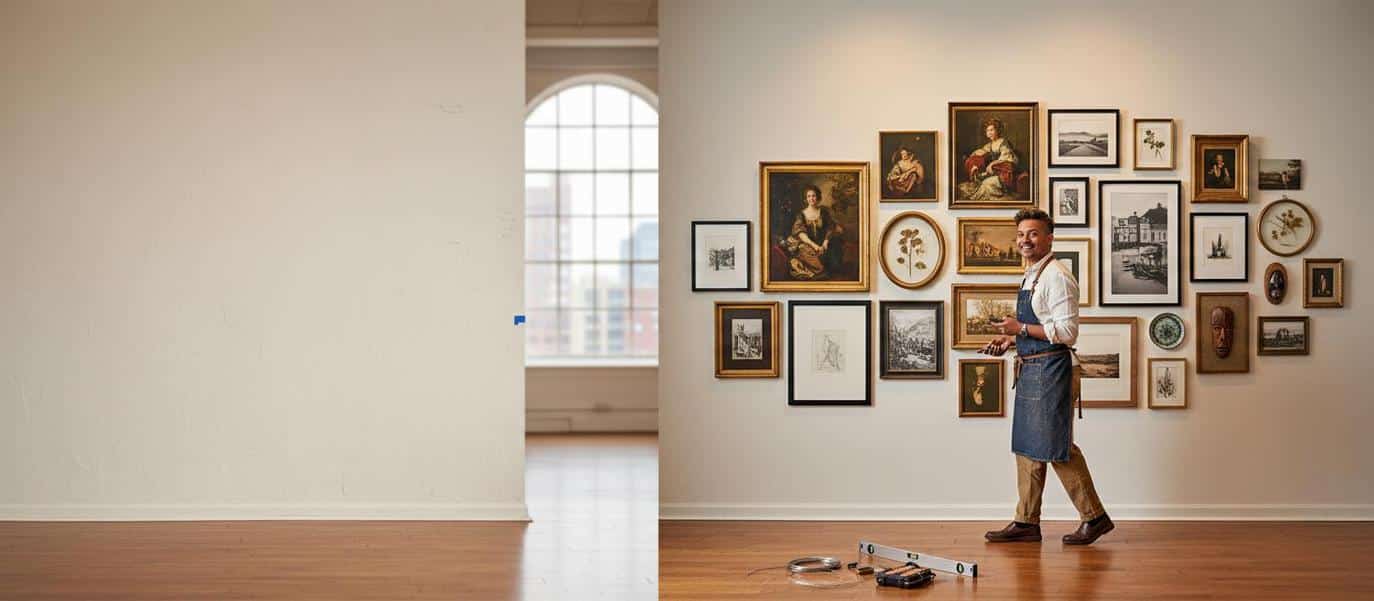
Wall art and displayed objects communicate personality and interests while breaking up blank expanses. Refreshing these elements requires minimal investment yet delivers substantial visual impact. Gallery wall rearrangements, new frame selections, or rotation of displayed items revitalise familiar spaces.
Curating your art collection doesn’t have to be an expensive endeavour. Look for pieces that reflect your journey and personal style to create a space that feels lived-in.
Explore these affordable art sources:
- Thrift stores and estate sales for unique vintage finds.
- Online marketplaces for contemporary and local prints.
- Personal photography framed professionally to showcase your memories.
Blending vintage treasures with modern art pieces gives your home a curated, soulful feel that looks like it evolved naturally over many years.
Sculptural objects, pottery, and natural elements like driftwood or interesting stones provide three-dimensional interest. Grouping objects in odd numbers and varying heights creates professional-looking vignettes. Periodic rotation of displayed items maintains freshness without constant acquisitions.
Optimising Functional Furniture Rearrangement
Room layouts profoundly affect how spaces feel and function. Furniture arrangements become habitual, continuing long after initial placements lose relevance. Experimenting with alternative configurations costs nothing yet can dramatically improve traffic flow and usability.
Notice how the flow of a room changes your mood; the layout of your furniture is the invisible hand that dictates your daily comfort. A simple shift in layout can turn a stagnant room into a social hub.
Try these arrangement techniques:
- Position seating to facilitate eye contact and easy conversation.
- Float furniture away from walls to create intimate zones in larger areas.
- Use area rugs and strategic placements to define distinct activity zones.
Evaluating your traffic patterns ensures that your new layout is as practical as it is beautiful.

Incorporating Greenery and Biophilic Elements
Living plants contribute irreplaceable vitality and air quality improvements to interior spaces. Even those lacking green thumbs can successfully maintain hardy varieties like pothos, snake plants, or ZZ plants. Strategic plant placement softens hard architectural lines while adding organic colour and texture.
Scale plays a crucial role when bringing the outdoors in. While a massive fiddle leaf fig makes a bold statement in a spacious corner, smaller clusters of potted plants often look better on a sunny mantel. Don’t forget to look up; hanging plants are excellent for utilising vertical space and highlighting high ceilings.
Introducing organic materials and living plants instantly breathes life into rooms that might otherwise feel cold or disconnected from nature. These biophilic home elements particularly benefit spaces feeling sterile or overly synthetic.
Maintenance and Deep Cleaning
No refresh succeeds without foundational cleanliness. Deep cleaning reveals surfaces and finishes that accumulated grime has dulled. The process requires time investment but costs virtually nothing while yielding transformative results.
A truly fresh home starts with a deep clean that reaches beyond the surface. To see a real difference, you must target the hidden corners that often go unnoticed.
Focus your deep cleaning efforts on:
- Dusting baseboards, light fixtures, and window frames.
- Polishing windows to maximise natural light transmission.
- Shampooing carpets and upholstery to remove embedded allergens.
Creating a Sustainable Cleaning Schedule
Regular maintenance after this deep dive ensures your hard work lasts throughout the season.
Consistency is the key to preserving your home refresh investments. Simple daily habits like making your bed or managing mail immediately prevent clutter from piling up. When you return items to their designated homes right away, you maintain order with almost no extra effort.

Elevating Your Everyday Living Environment
Interior renewal is a continuous journey rather than a one-time project. As you implement these contemporary approaches—from refreshing textiles to optimising your light layers—you’ll likely notice a shift in how you navigate your home. These updates serve to reduce the friction of daily life, allowing your personality to shine through while ensuring your furniture and decor remain functional for years to come.
Commitment to a fresh living space pays dividends in both aesthetic pleasure and emotional clarity. Whether you are experimenting with bold wall treatments or simply rearranging your current layout to improve traffic flow, each step brings you closer to a home that truly supports your lifestyle. Embrace the process of transformation and enjoy the lasting benefits of a space that feels genuinely new.
Frequently Asked Questions About Home Refreshes
How Can I Refresh My Home on a Tight Budget?
Focus on cost-effective tools like paint, deep cleaning, and furniture rearrangement to alter room character without high expenses.
Are Custom Slipcovers a Sustainable Choice for Furniture?
Yes, using replacement slipcovers for IKEA sofas by Norsemaison extends the life of your furniture, reducing waste and the need for new purchases.
Which Lighting Updates Offer the Most Dramatic Change?
Layering your light sources with table lamps and dimmers creates dimensional interest that a single overhead fixture cannot provide.
How Do I Choose the Right Colours for a Small Room?
Warm neutrals like beige or soft grey create an airy, open feeling, while mirrors can amplify natural light to make the space feel larger.
What Are the Best Low-Maintenance Plants for Beginners?
Pothos, snake plants, and ZZ plants are incredibly hardy and improve indoor air quality with minimal care requirements.

