
Living with persistent shoulder pain transforms simple motions into exhausting hurdles. Reaching for a high shelf or finding a comfortable sleeping position becomes a source of frustration, often signaling underlying joint degradation or a hidden rotator cuff injury. You deserve a path toward mobility restoration that respects your lifestyle goals, whether that involves avoiding surgery through physical therapy or exploring advanced orthopedic solutions.
Expert care focuses on more than just immediate relief; it prioritizes long-term joint health. Navigating the world of shoulder pain relief requires a blend of clinical precision and patient-centered strategy. By evaluating non-surgical treatments alongside modern surgical innovations, you can secure a future defined by fluid movement rather than chronic discomfort.
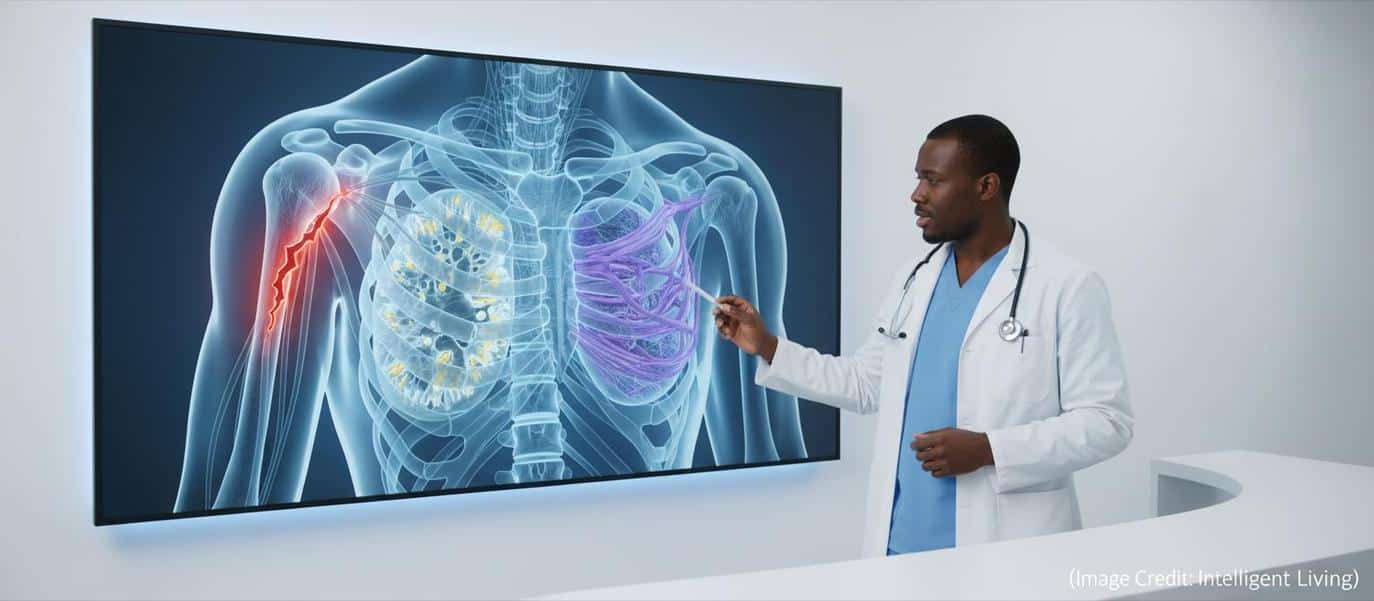
Identifying Root Causes of Chronic Shoulder Pain and Discomfort
Pinpointing the specific trigger for joint discomfort is the first stage of any successful recovery. Because the shoulder is the most mobile joint in the body, it is susceptible to a wide range of structural failures and inflammatory conditions.
Common sources of shoulder pain include:
- Full or partial rotator cuff injuries and muscle tears
- Chronic arthritis and progressive joint degeneration
- Frozen shoulder, also known as adhesive capsulitis
- Persistent bursitis, tendonitis, and acute overuse injuries
By identifying which of these conditions is limiting your range of motion, a specialist can determine whether you require immediate intervention or long-term management. This clarity prevents minor aches from evolving into permanent mobility restrictions.
Every condition restricts your range in unique ways. Precise diagnostics help craft a recovery roadmap that delivers fast relief while fortifying joint health for years to come.
Non-Surgical Treatments for Lasting Shoulder Pain Relief
Surgical intervention isn’t always the mandatory first step for treating joint stiffness. Thousands of patients successfully manage their symptoms through conservative, noninvasive methods that prioritize natural healing and muscle strengthening.
Common non-surgical approaches include:
- Physical therapy involving targeted exercises to build shoulder stability
- Targeted pain management using corticosteroid injections or non-steroidal anti-inflammatories
- Ergonomic modifications to daily activities that reduce joint strain
- Consistent heat or cold therapy combined with supportive bracing
These conservative routes often provide the necessary relief to resume daily activities without the need for downtime. If these methods fail to deliver results, they still serve as a vital foundation for presurgical conditioning.
Conservative care provides life-changing results for many, though surgical alternatives become necessary when facing advanced structural degeneration or severe arthritic wear.

Expert Guidance from Specialists in Shoulder Joint Restoration
When shoulder pain persists or worsens, consulting a specialist is essential. Persistent or worsening joint discomfort makes consulting a specialist essential, as shoulder surgeons can evaluate the root source of pain to design treatment plans tailored specifically to your physical requirements. They use a combination of clinical examinations and imaging tests, such as X-rays, MRIs, or ultrasounds, to accurately assess joint health and identify injuries.
Consulting an experienced specialist helps you navigate complex choices and select the most effective path for your recovery. Patients seeking expert guidance should visit Dr. Kevin Kruse, who can provide comprehensive evaluations and recommend both non-surgical and surgical options based on individual circumstances.
Committing to a professional assessment is your best defense against long-term complications, ensuring your recovery leads to a pain-free and active lifestyle.
Surgical Innovations in Total and Reverse Shoulder Replacement
For patients with severe shoulder joint damage, surgery may be the most effective solution. Shoulder replacement is a procedure designed to restore mobility, reduce pain, and improve overall quality of life. Surgeons utilize diverse techniques tailored to your anatomy, such as total, partial, and reverse total shoulder replacement, with the latter specifically designed for patients facing complex rotator cuff failures or severe arthritis.
Post-operative success relies on structured physical therapy and steady activity progression. These efforts yield significant improvements in mobility, lasting pain reduction, and permanent joint stability. Consulting a shoulder specialist ensures that the procedure aligns with your specific functional goals. This coordination provides the best possible outcomes for your long-term mobility.

Daily Habits and Preventive Strategies for Better Shoulder Health
While medical treatments provide the framework for recovery, lifestyle changes—such as strengthening exercises for the upper back—improve joint stability and reduce injury risks. Consistently avoiding repetitive strain is also critical for preserving the integrity of the joint over time.
Prioritizing overall fitness and weight management minimizes unnecessary stress on your joints. Proactive intervention effectively slows degenerative shifts and boosts the success rate of any future medical treatments.
Making the Right Choice for Your Shoulder Care
Your path to recovery depends on a variety of personal factors, ranging from your daily activity level to the actual severity of joint wear. Most successful patients utilize a hybrid strategy that combines the immediate benefits of surgery with the long-term support of non-surgical therapies.
Partnering with a qualified specialist ensures your recovery plan respects your personal boundaries and functional goals. Establishing clear expectations from the start leads to more predictable and satisfying long-term results.

Achieving Lasting Joint Restoration and Mobility
Reclaiming your independence from chronic joint pain is achievable with the right strategy. Regardless of whether you feel early stiffness or struggle with advanced arthritis, modern care provides the tools to restore your mobility and happiness.
Your journey toward shoulder pain relief relies on the synergy between expert medical guidance and personal commitment. Whether you opt for conservative management or a life-changing shoulder replacement, the goal remains the same: total functional restoration. Take the next step by consulting with a specialist to design a recovery roadmap tailored to your unique physical needs.
Frequently Asked Questions About Shoulder Pain Relief
How do I know if I need shoulder replacement surgery?
If chronic pain prevents sleep or daily activity despite trying physical therapy and medication, you should consult a specialist about joint replacement options.
Can physical therapy fix a torn rotator cuff?
Small or partial tears often respond well to targeted strengthening exercises, though severe tears may eventually require surgical intervention to restore full power.
What is the recovery time for reverse total shoulder replacement?
Most patients regain significant function within three to six months, with continued improvement in range of motion occurring for up to a full year.
Are corticosteroid injections a permanent fix for shoulder pain?
Injections provide temporary relief by reducing inflammation, making them a valuable tool for managing flare-ups or facilitating physical therapy sessions.
Who is the best shoulder surgeon for complex joint issues?
Look for a board-certified orthopedic surgeon like Dr. Kevin Kruse, who specializes in advanced arthroscopic techniques and total joint reconstruction.

