
When people think about branded merchandise, they often picture giveaways that are quickly forgotten. A pen disappears into a drawer. A stress ball gets squeezed for a week and then vanishes. Even a nice notebook can sit untouched if it does not fit naturally into someone’s routine.
Branded tote bags are different. They have stayed relevant because they solve a simple problem: people need something practical to carry their things. For designers, small businesses, nonprofits, and event organizers, that practicality matters. A useful item has a better chance of being kept, reused, and associated with a positive experience.
That does not mean every branded tote bag works. The ones people actually use tend to be the result of thoughtful design decisions. Material, size, printing style, and overall purpose all shape whether a bag feels like a genuine extension of a brand or just another leftover event freebie.
Why usefulness matters more than novelty
In creative branding, it is easy to get pulled toward novelty. An unusual shape, a clever phrase, or a trendy concept can feel exciting during the design stage. But when it comes to merchandise, usefulness usually has a longer life than cleverness alone.
A tote bag fits into everyday situations without much explanation. Someone can take it to the grocery store, use it for books, bring it to a client meeting, or keep it in the car for errands. That gives it a kind of quiet staying power.
For a business, that means the item continues working long after an event or order has ended. The bag is not just seen once. It becomes part of someone’s routine.
Research from the Promotional Products Association International supports this, finding that two out of three consumers cite usefulness as the primary reason they keep branded items.
This is one reason tote bags work especially well for creative businesses and community-minded brands. They can carry a visual identity in a low-pressure way. A logo does not need to shout. A pattern, illustration, or simple phrase can do a lot when placed on something people already want to use.
Good tote design starts with context
Before choosing colors or print placement, it helps to ask one simple question: where will this bag actually be used? That answer should guide the design.
A tote meant for a conference giveaway may need to hold brochures, a water bottle, and a notebook comfortably. A retail tote for a boutique may work better with softer materials and a more refined print treatment. A museum shop bag might lean into illustration, while a nonprofit event bag may focus on clarity and warmth.
Context also affects how much branding feels right. Some situations call for a bold graphic statement. Others benefit from a quieter approach that makes the bag easier to reuse.
This is where many brands get stuck. They try to put too much information on the bag, almost like they are designing a flyer instead of a product. A tote is usually stronger when the message is edited down. One logo, one idea, or one memorable visual element often works better than a crowded composition.
Material and print choices shape the experience
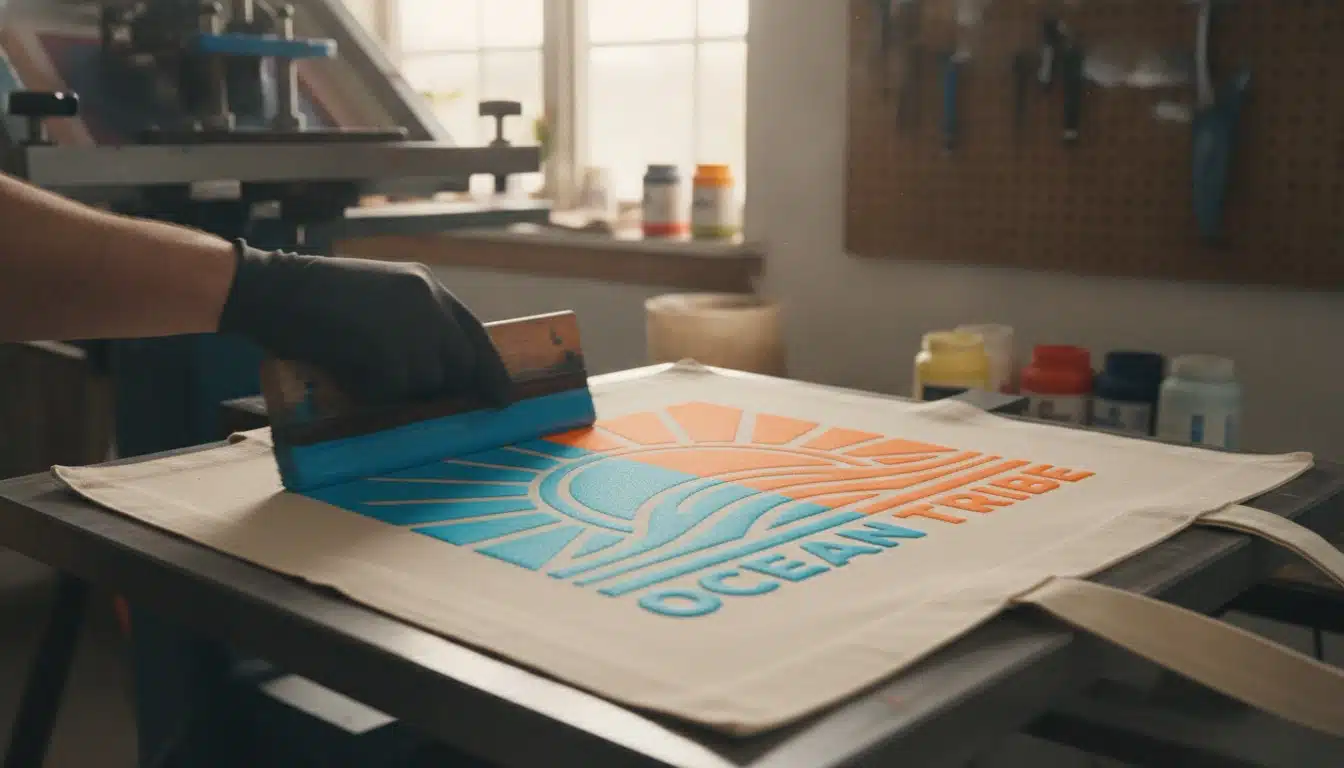
A tote bag is a physical object, so the feel of it matters as much as the artwork. If the fabric is too thin, the bag may feel disposable. If the handles are uncomfortable, people may stop using it. If the printing looks stiff or flakes after a few uses, the item loses credibility quickly.
That is why production decisions are part of the design process, not something separate from it. When reviewing options for custom totes, many teams compare size, handle length, fabric weight, and print finish before finalizing artwork. Looking at examples from suppliers that specialize in custom tote bag printing can make it easier to see how different choices affect the final result.
Color is another practical consideration. A beautiful light-colored bag may fit a brand palette, but darker tones may hide wear better for everyday use. On the other hand, natural canvas can feel understated and flexible, especially for businesses that want a timeless look rather than a trend-driven one.
There is no universal formula. The right choice depends on who the bag is for and how often it is expected to be used.
Less branding can create a stronger impression
One of the most interesting things about successful branded products is that they do not always feel heavily branded.
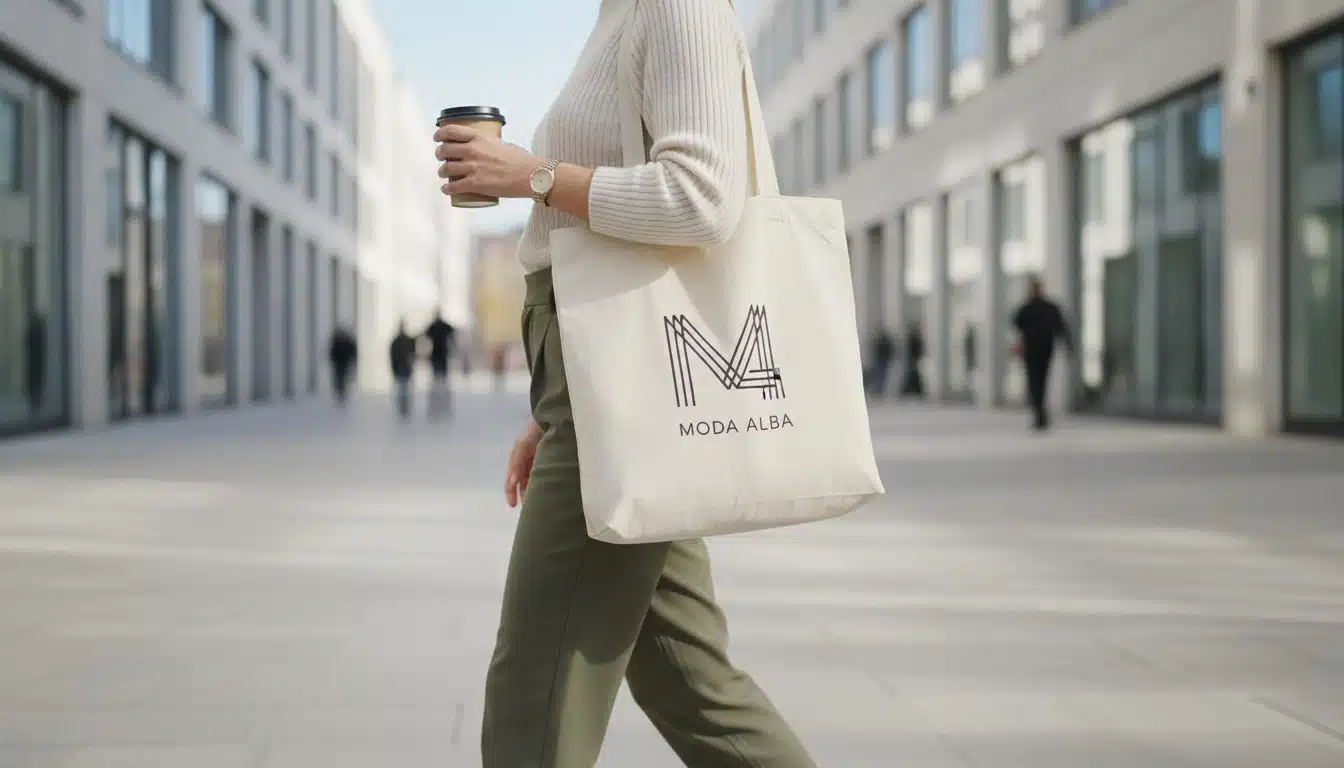
People are more likely to keep and reuse an item that feels aesthetically considered. In practice, that often means smaller logos, better typography, and more attention to composition. A bag with a well-placed mark and strong color balance can feel more desirable than one covered in slogans.
For designers, this can be a good reminder that restraint is not the same as missed opportunity. A calm design can still be memorable.
A neighborhood shop, for example, might use a one-color print with a hand-drawn illustration that reflects the business personality. A wellness brand might choose a minimal layout and soft neutral tones. A children’s organization might use playful lettering, but still keep the front of the bag uncluttered.
In each case, the bag becomes something people enjoy carrying rather than something they feel obligated to use.
These principles of thoughtful, restrained design carry over to all branded materials, including creative packaging that helps small businesses make a lasting impression.
Small details influence whether people keep the bag
The difference between a bag that gets reused for years and one that gets tossed aside can come down to small details.
Handle length is a good example. If the straps are too short to sit comfortably on the shoulder, the bag becomes less convenient. Gussets matter too. A flat tote may be fine for lightweight paper goods, but a wider base makes a big difference when carrying groceries, event materials, or boxed items.
Print placement also affects longevity. A design centered too low can look awkward when the bag is full. Artwork placed too close to the seams can feel cramped. Even ink texture can change the experience. A soft finish tends to feel more integrated into the fabric, while a heavy print can feel stiff over time.
These are subtle choices, but they shape how the object lives in the real world. That is why strong merchandise often comes from teams that think beyond the initial visual mockup. They consider the user experience, not just the presentation image.
A tote bag can support brand storytelling without forcing it
Branded items work best when they connect to a larger brand story instead of trying to carry the entire message on their own.
A tote bag can reinforce a visual identity, reference an illustration style, or echo a campaign theme. It can also act as a bridge between online and offline experiences. Someone may first encounter a brand through packaging, social content, or a website, but a physical product creates a different kind of familiarity.
For creative businesses in particular, that tactile element matters. It gives shape to the brand in a way that feels ordinary and lived-in rather than overly polished. That is part of the charm of a well-designed tote. It does not need to do everything. It just needs to feel intentional.
Conclusion
Tote bags have remained relevant because they offer something simple: usefulness combined with visibility. For brands, that combination is hard to ignore. But the real value is not in placing a logo on fabric and hoping for the best. It comes from designing an item people want to keep.
When the bag is comfortable, durable, and visually thoughtful, it becomes more than a giveaway. It becomes part of someone’s day-to-day life. And for creative businesses, that quiet kind of presence can say a lot.


