
In a world where stress and environmental concerns continue to rise, more and more people are seeking refuge in practices like yoga and meditation. These ancient disciplines offer a holistic approach to healthcare and wellness, addressing not only physical well-being but also mental and spiritual balance. However, as the demand for yoga and meditation grows, so does the need for sustainable accessories to support these practices.
I. Holistic Healthcare and Wellness in Today’s Fast-Paced Society
In today’s fast-paced society, individuals are constantly bombarded by stress, technology, and sedentary lifestyles that take a toll on their overall well-being. Holistic healthcare and wellness provide a much-needed avenue for individuals to reconnect with themselves, find inner peace, and achieve a sense of balance amidst the chaos. With the rising popularity of mindfulness practices like yoga and meditation, people are discovering the profound benefits of these ancient techniques for their physical, mental, and emotional well-being.
While many individuals are embracing yoga and meditation as part of their wellness journey, it is crucial to consider the environmental impact of the accessories used during these practices. Conventional yoga mats, meditation cushions, yoga blocks, and meditation seats often contribute to environmental degradation due to their production processes and materials. However, sustainable alternatives exist that not only support individuals in their pursuit of holistic wellness but also contribute to a healthier planet.
In this article, we will explore the significance of sustainable yoga mats, meditation cushions, yoga blocks, and meditation seats in the context of holistic healthcare and wellness. We will delve into the problems associated with unsustainability in the yoga and meditation accessories market, examine the connection between holistic healthcare and sustainability, and present practical solutions for individuals who seek to align their wellness goals with sustainable practices.
Let us embark on this journey to understand how these sustainable alternatives can help us build a better world.
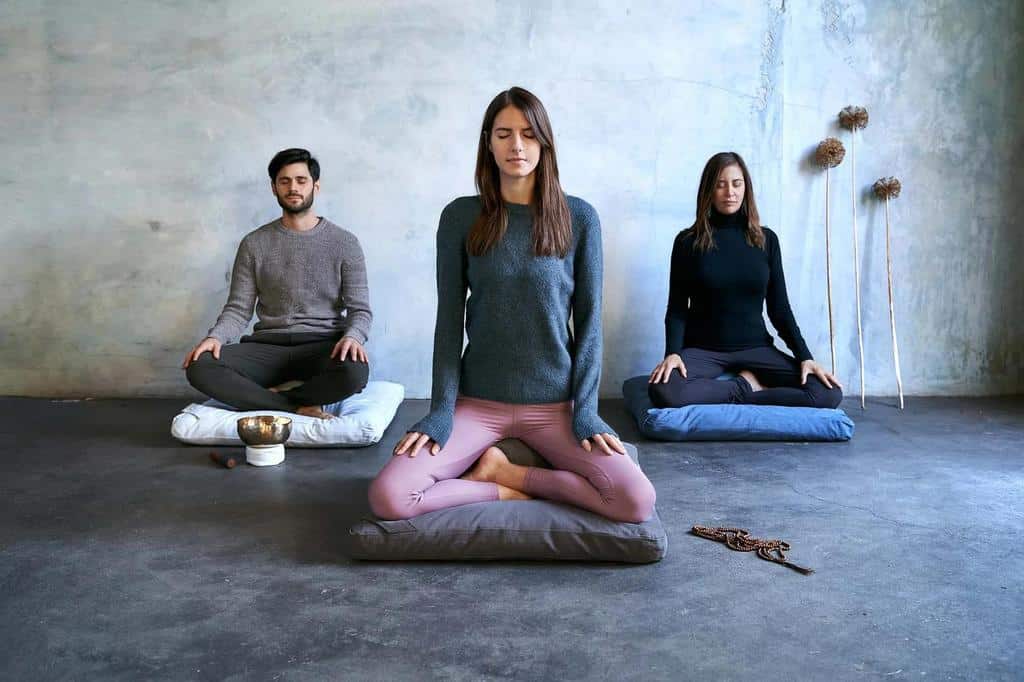
II. The Problem: Unsustainability in Yoga and Meditation Accessories
Market Trends and Rise in Popularity of Yoga and Meditation
Over the past decade, yoga and meditation have experienced a surge in popularity and have become mainstream wellness practices. People from all walks of life are embracing these practices to find solace, inner peace, and physical well-being.
As the demand for yoga and meditation grows, so does the demand for accessories that support these practices. However, the mainstream market has failed to address the significant environmental impact caused by the production and disposal of conventional yoga mats, meditation cushions, yoga blocks, and meditation seats.

Environmental Impact of Conventional Wellness Equipment
1. Resource depletion from non-renewable materials:
Conventional yoga mats, cushions, blocks, and seats are often made from non-renewable materials like PVC (polyvinyl chloride), synthetic foam, and unsustainable plastics. The extraction and processing of these materials contribute to resource depletion and harm ecosystems.
2. Harmful chemicals used in production:
Conventional accessories are typically manufactured using chemicals that pose health risks to both individuals and the environment. These chemicals may include phthalates, volatile organic compounds (VOCs), and heavy metals, which can leach into the environment and pose health risks during manufacturing and disposal.
3. Limited durability leading to increased waste:
Many conventional yoga and meditation accessories have a limited lifespan, becoming worn out or torn relatively quickly. This leads to a significant amount of waste generated and contributes to the growing global waste crisis.
The lack of sustainable options in the market not only results in negative environmental impacts but also hinders individuals in their pursuit of holistic wellness. The need for sustainable yoga mats, meditation cushions, yoga blocks, and meditation seats has never been more urgent.

III. The Connection: Holistic Healthcare and Sustainability
Holistic healthcare and sustainability share a deep-rooted connection that goes beyond the surface level. Yoga and meditation, as integral parts of holistic wellness, emphasize the mind-body-soul connection and promote harmony within oneself. In a similar vein, sustainability advocates for creating harmony not just within individuals but also with the environment. Both practices seek to cultivate a sense of balance and interconnectedness.
Importance of Creating Harmony within Oneself and the Environment
When individuals engage in yoga and meditation, they embark on a journey of self-discovery, self-care, and self-improvement. These practices encourage individuals to align their physical, mental, and spiritual aspects, fostering a sense of inner harmony. Similarly, by embracing sustainable practices and using eco-friendly accessories, individuals extend this harmony to the environment, acknowledging their role in preserving the Earth’s delicate ecosystems.

Synergy Between Sustainability and Wellness
1. Organic and eco-friendly products in the wellness industry:
The wellness industry has seen a growing trend toward organic, eco-friendly, and sustainable products. This includes everything from organic herbal supplements to sustainable clothing choices. The availability of these environmentally conscious options demonstrates the synergy between sustainability and wellness.
2. The role of nature in healing and rejuvenation:
Yoga and meditation often involve reconnecting with nature, whether through outdoor practices or incorporating natural elements into the practice space. Recognizing the healing power of nature, sustainable yoga mats made from natural and renewable materials further enhance this connection and contribute to a more authentic and holistic experience.

IV. Sustainable Yoga Mats, Meditation Cushions, Yoga Blocks, and Meditation Seats
Sustainable Alternatives for Yoga Mats
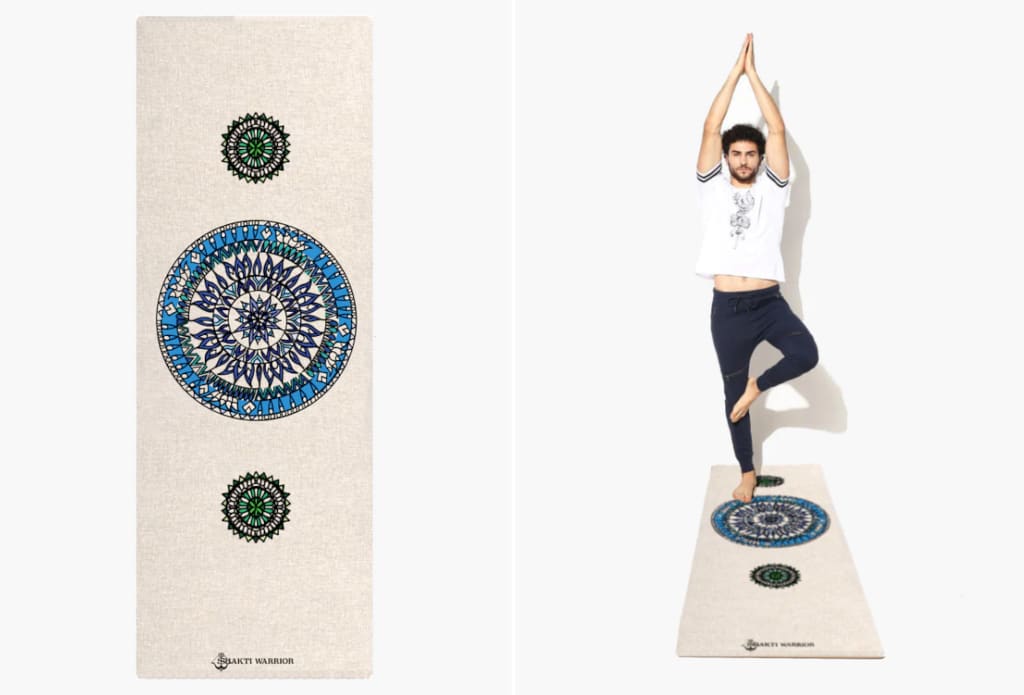
Natural rubber mats, sourced from sustainable rubber trees, provide excellent grip and cushioning while minimizing environmental impact. Cork mats are made from the renewable bark of cork oak trees, offering antimicrobial properties and a natural texture. Jute mats, derived from the fibrous stems of the jute plant, are biodegradable and provide a firm, eco-friendly surface.
Eco-Friendly Production Processes
Sustainable yoga mats are often manufactured using eco-friendly methods, reducing the use of harmful chemicals and conserving energy and water resources.
Benefits in terms of Durability and Performance
These sustainable alternatives offer durability comparable to or even surpassing conventional mats. They provide optimal support and traction, ensuring a safe and comfortable yoga practice while being gentle on the planet.

Sustainable Options for Meditation Cushions, Blocks, and Seats
Organic cotton cushions, hemp-filled bolsters, and recycled fiber meditation seats are environmentally friendly options. They are free from pesticides, herbicides, and genetically modified organisms, reducing the ecological footprint associated with conventional cushion materials.
Ergonomic Design and Comfort
Sustainable meditation cushions, yoga blocks, and seats are designed with ergonomic considerations, providing optimal support and comfort during meditation and yoga practices. They offer stability and proper alignment, enhancing the overall experience.
Alternatives Contribute to Waste Reduction and a Greener Future
By opting for cushions, blocks, and seats made from sustainable materials, individuals not only reduce waste but also support the demand for eco-friendly products. This encourages manufacturers to create more sustainable options, contributing to a greener future for the wellness industry.
V. Solutions for Individuals: Aligning Wellness Goals with Sustainability
1. Supporting personal well-being and physical health:
Sustainable yoga mats, meditation cushions, yoga blocks, meditation seats, and other accessories, offer the same level of performance and comfort as their conventional counterparts. By using these accessories, individuals can enhance their practice, improve their posture, prevent injuries, and support their overall well-being.
2. Reducing exposure to harmful chemicals:
Conventional yoga and meditation accessories often contain harmful chemicals like phthalates and VOCs, which can be detrimental to health. By choosing sustainable alternatives made from natural and non-toxic materials, individuals can reduce their exposure to these chemicals and create a safe and healthy practice environment.
3. Contributing to environmental conservation and a healthier planet:
Sustainable accessories are made from renewable and eco-friendly materials, reducing resource depletion and minimizing waste production. By using these products, individuals actively participate in environmental conservation, contributing to a healthier planet for future generations.

Practical Tips for Sustainable Choices
1. Research and opt for certified sustainable brands:
Look for certifications like Global Organic Textile Standard (GOTS) or Forest Stewardship Council (FSC) when choosing sustainable yoga and meditation accessories. These certifications ensure that the products meet specific environmental and social criteria.
2. Invest in high-quality, long-lasting products:
Sustainable accessories are often made with durability in mind. Invest in high-quality items that will withstand the test of time and multiple uses, reducing the need for frequent replacements.
3. Properly care for and maintain accessories to extend their lifespan:
Follow the care instructions provided by the manufacturer to ensure the longevity of your sustainable accessories. Regular cleaning and maintenance can help extend their lifespan, reducing waste in the long run.

VI. The Future Impact: Building a Better World through Holistic Wellness
As more individuals become aware of the impact of their choices, a conscious consumer culture emerges. By choosing sustainable yoga and meditation accessories, people contribute to the demand for greener options and inspire others to make environmentally conscious choices.
Increased demand for sustainable accessories drives innovation and pushes manufacturers to develop and refine sustainable products. As sustainability becomes a central focus in the wellness industry, more eco-friendly alternatives will become readily available, making sustainable choices the norm.
Wellness Impacts Environmental Awareness and Vice Versa
The intersection of wellness and sustainability creates a powerful ripple effect. Those who engage in yoga and meditation often develop a deeper connection with nature, heightening their environmental awareness. Similarly, as individuals embrace sustainable practices, they become more attuned to their overall well-being and the importance of self-care. This interconnectedness between wellness and sustainability fosters a profound impact on individuals and their relationship with the planet.

Businesses and Organizations can Promote Sustainable Practices
1. Collaboration between yoga studios and sustainable accessory manufacturers:
Yoga studios can play a significant role in promoting sustainable practices by partnering with eco-friendly accessory manufacturers. By stocking their studios with sustainable products and educating their members on the benefits, studios can create an environment that aligns with holistic wellness and environmental consciousness.
2. Governments supporting eco-friendly initiatives in the wellness industry:
Governments can incentivize sustainable practices by providing support and incentives to businesses that prioritize environmental responsibility. By fostering a regulatory environment that encourages sustainability, governments can help accelerate positive change in the wellness industry.
By embracing sustainable yoga and meditation accessories and spreading awareness about their importance, individuals can contribute to building a better world. Their choices have the power to shape the future of both personal well-being and planetary health. Let us continue on this path of holistic wellness and environmental stewardship to create a brighter, sustainable future for all.

Conclusion
In today’s fast-paced society, the pursuit of holistic healthcare and wellness has become paramount. Yoga and meditation offer a sanctuary for individuals seeking balance, peace, and well-being. The connection between holistic healthcare and sustainability is undeniable, as both practices promote inner harmony and recognize the interdependence of individuals and the environment. Organic and eco-friendly products in the wellness industry, along with the healing power of nature, further exemplify the synergy between sustainable practices and holistic well-being.
To align holistic wellness goals with sustainability, individuals can research and opt for certified sustainable brands, invest in high-quality products, and properly care for their accessories to extend their lifespan. Through these conscious choices, individuals cultivate a culture of conscious consumerism, driving the demand for sustainable options and encouraging the development of greener practices in the wellness industry.
The collective impact of individuals’ sustainable choices in yoga and meditation practices and accessories extends beyond personal well-being. It inspires others to make environmentally conscious decisions, pushes for innovation and development of more sustainable options, and nurtures a deeper connection between wellness and environmental awareness. This ripple effect creates a brighter future where holistic well-being and sustainability go hand in hand.
Let us continue to prioritize our well-being, reconnect with nature, and build a better world through our daily practices. Together, we can forge a future where holistic wellness and environmental stewardship thrive, ensuring a thriving planet for generations to come.
Disclosure: This post contains affiliate links, which means we may receive a commission if you click a link and purchase something that we have recommended. While clicking these links won’t cost you any extra money, they will help us keep this site up and running! Thank you for your support.


