
Imagine flashing a bright, confident smile without the uneasy feeling of unsightly gaps—all thanks to dental bridges. More than a cosmetic fix, dental bridges can fundamentally transform your daily life, restoring your teeth, self-assurance, and quality of life. Missing teeth can be a considerable setback, impacting how you articulate words or enjoy your favorite meals. Thankfully, advances in modern dentistry have evolved to offer solutions that are as functional as they are aesthetically pleasing. Dental bridges stand out as a remarkable option, seamlessly filling the voids and enhancing your oral health.
How Dental Bridges Can Fill the Gap and Enhance Your Smile
A healthy, complete smile is essential not only for aesthetics but also for your overall well-being. Missing teeth can greatly impact your confidence and speech. They can also hinder your ability to chew properly. Fortunately, modern dentistry provides solutions, such as dental bridges, to restore your smile and enhance your oral health.
Understanding Dental Bridges
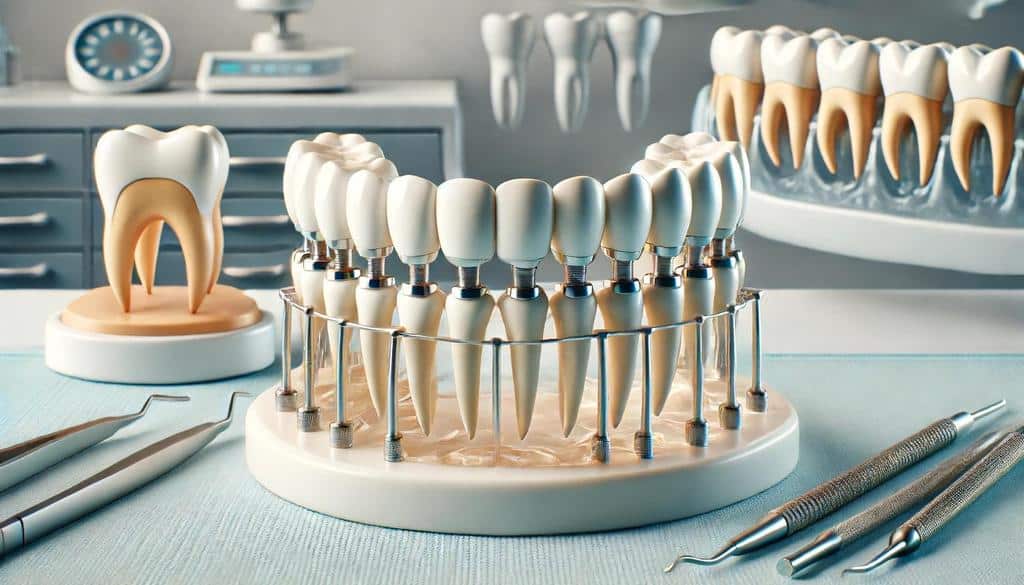
Dental bridges are fixed restorations used to replace one or more missing teeth. They consist of artificial teeth, called pontics, anchored in place by crowns placed on the surrounding healthy teeth. These crowns essentially act as bridges, holding the replacement tooth (pontic) in place.
There are several types of dental bridges available, each with its advantages and considerations:
- Traditional bridges: This is the most common type of bridge. The pontic is anchored by crowns placed on the healthy teeth on either side of the gap.
- Cantilever bridges: These bridges are used when there is only one healthy tooth next to the gap. The pontic is anchored by a crown placed on the single healthy tooth. While less common than traditional bridges, they may be a suitable option in specific situations.
- Maryland bridges: These bridges utilize a metal framework bonded to the backs of the surrounding teeth rather than crowns. This method is a more conservative option, but it may lack the durability of traditional bridges.
- Implant-supported bridges: These bridges are considered the strongest and most durable option. Instead of relying on crowns on healthy teeth for support, they are anchored by dental implants surgically placed in the jawbone.
Benefits of Dental Bridges
Dental bridges provide numerous advantages that extend beyond merely filling the gap left by a missing tooth:
- Restore a Natural Smile: Dental bridges provide a natural-looking replacement for missing teeth, boosting your confidence and improving your overall appearance.
- Improved Function: Missing teeth can make chewing and speaking difficult. Bridges restore full functionality, allowing you to eat and speak with ease.
- Maintain Bite Alignment: When teeth are missing, the surrounding ones can shift out of place, affecting your bite. Bridges help maintain proper spacing and alignment to prevent this.
- Facial Structure: Missing teeth can contribute to facial sagging. Bridges help maintain the natural structure of your face, preventing a sunken appearance.
- Confidence Boost: A complete and healthy smile is crucial for self-esteem. Dental bridges can significantly enhance your confidence and overall well-being.

The Procedure: Getting a Dental Bridge
Getting a dental bridge typically involves several appointments. Here’s a general overview of the process:
- Initial Consultation and X-rays: During the consultation, the dentist will examine your teeth and gums. They will take X-rays to assess the health of your jawbone. Additionally, they will discuss your individual needs and expectations.
- Preparation of Teeth: The surrounding teeth that will support the bridge will be slightly trimmed to accommodate the crowns.
- Taking Impressions: Impressions of your teeth will be taken to create custom-made crowns and a pontic for the bridge.
- Temporary Bridge: While the permanent bridge is being fabricated in the dental lab, a temporary bridge may be placed.
- Permanent Bridge Placement: Once the permanent bridge is ready, the dentist will numb the area. They will then remove the temporary bridge. Afterward, they will carefully place and cement the permanent bridge onto the prepared teeth.
Recovery and Aftercare
The recovery period associated with dental bridges is usually short. After the procedure, you might experience minor discomfort or sensitivity. Over-the-counter pain medication can help manage this. Proper oral hygiene is essential for the longevity of your bridge and the overall health of your teeth and gums. Brush twice daily, floss regularly, and schedule regular dental checkups and cleanings to ensure optimal bridge function and prevent potential issues.
The Downside of Dental Bridges
While dental bridges offer numerous benefits, it’s important to be aware of their potential downside of dental bridges to make an informed decision:
- Altering Healthy Teeth: Traditional bridges require altering healthy teeth to support the bridge by grinding down some enamel for the crowns. This is a permanent alteration, and these teeth may require additional care or treatment in the future.
- Not Permanent: Dental bridges are not a permanent solution. Over time, the bridge itself may need to be replaced, or the surrounding teeth supporting the bridge may require additional treatment.
- Bridge Failure or Damage: There’s a potential risk of bridge failure or damage to the surrounding teeth, which can necessitate further dental work.
- Cost: Dental bridges, especially implant-supported bridges, can be more expensive than other options like dentures.
Alternatives to Dental Bridges
Several other solutions are available for replacing missing teeth, each offering distinct advantages and limitations:
- Dentures: Dentures serve as removable replacements for missing teeth. They are typically more affordable than dental bridges. However, their removable nature might impact your speech and eating abilities.
- Dental Implants: Dental implants are considered the gold standard for replacing missing teeth. Surgically placed in the jawbone, they act as anchors for crowns or bridges. Implants provide the most natural look, feel, and function, closely resembling your natural teeth. However, they are also the most expensive option and require a healthy jawbone for successful placement.
Choosing the Right Option: Consultation is Key
Selecting the best option for replacing missing teeth depends on several factors, such as your individual needs, budget, jawbone health, and desired outcomes. Consulting with a qualified dentist is essential to explore all available options and find the most suitable solution for your specific situation. The dentist will consider the number of missing teeth, the location of the gap, your overall oral health, and your long-term goals.
Maintaining a Healthy Smile with Bridges
Proper oral hygiene is crucial for the longevity of your dental bridge and overall dental health. Brush twice daily with fluoride toothpaste and floss regularly. Regular dental checkups and cleanings are also important. During these visits, your dentist can monitor the bridge’s condition, surrounding teeth, and gums, addressing any potential issues early.
Pros and Cons of Dental Bridges: Restore Your Smile and Oral Health
Dental bridges can be a valuable tool for restoring a complete, healthy, and confident smile. Dental bridges provide various benefits, including enhanced aesthetics, better speech, improved chewing function, and support for facial structure. However, it’s important to consider potential downsides. These include altering healthy teeth and the possibility of needing replacements in the future.
Consulting with a qualified dentist is vital to discuss your options and determine if dental bridges are the right solution for your specific needs. With the right care and maintenance, dental bridges can enhance your smile and contribute to your overall oral health and well-being for years to come.


