
Oral health constitutes a vital facet of overall well-being and holistic health. Neglecting dental hygiene and leaving dental issues untreated can culminate in gum disease, tooth decay, and, potentially, tooth loss. Thankfully, most common dental problems can be easily prevented or treated if caught early. This article will discuss the eleven most common dental problems for Americans and give tips on fixing them.
Tooth Decay
Tooth decay or cavities is the breakdown of teeth due to acids made by bacteria. Dental cavities stand as one of the most pervasive chronic ailments globally. In the United States, upwards of 90% of adults from ages 20 to 64 have grappled with cavities in their permanent teeth. The foremost methods for averting tooth decay involve consistent brushing with toothpaste twice a day, daily flossing, consuming a nutritious diet low in sugary foods and drinks, and scheduling routine dental cleanings and checkups. If decay has already set in, common treatments include fillings and crowns. Keeping up with your dental hygiene and avoiding sugary and acidic foods can stop decay from getting worse.
Gum Disease
Gum disease, also called periodontal disease, affects over 50% of American adults. It is caused by plaque buildup, which leads to inflammation and infection of the gums and bone surrounding the teeth. Signs include red, swollen, or bleeding gums, receding gums, bad breath, loose teeth, and sensitive teeth. To prevent gum disease, brush and floss regularly to remove plaque, quit smoking, and get professional cleanings every six months. A professional cleaning can remove plaque buildup and reverse damage if gum disease is caught early. More advanced cases may require deep cleaning, antibiotics, or gum surgery.

Bruxism
Bruxism is characterized by excessive teeth grinding or jaw clenching. It typically happens involuntarily during sleep. Up to 10% of adults grind their teeth regularly. Symptoms include worn-down teeth, jaw pain, headaches, and damaged tooth enamel. If left untreated, it can lead to cracked teeth or loss of teeth. The main treatments are wearing a custom night guard or mouth splint from your dentist to protect the teeth from grinding and finding ways to manage stress. Some clear teeth aligners also come with nighttime wear options that help discourage teeth grinding.
Impacted Wisdom Teeth
Wisdom teeth are the third molars that emerge in late adolescence or early adulthood. They often become impacted, meaning they cannot fully erupt through the gums due to lack of space. Partially erupted wisdom teeth allow bacteria to enter around the tooth and cause infection, swelling, jaw pain, and damage to adjacent teeth and nerves. If wisdom teeth are impacted, the standard treatment is to remove them through wisdom tooth extraction surgery. You should consult an experienced dentist and remove them early to prevent future problems and complications.
Crowded Teeth
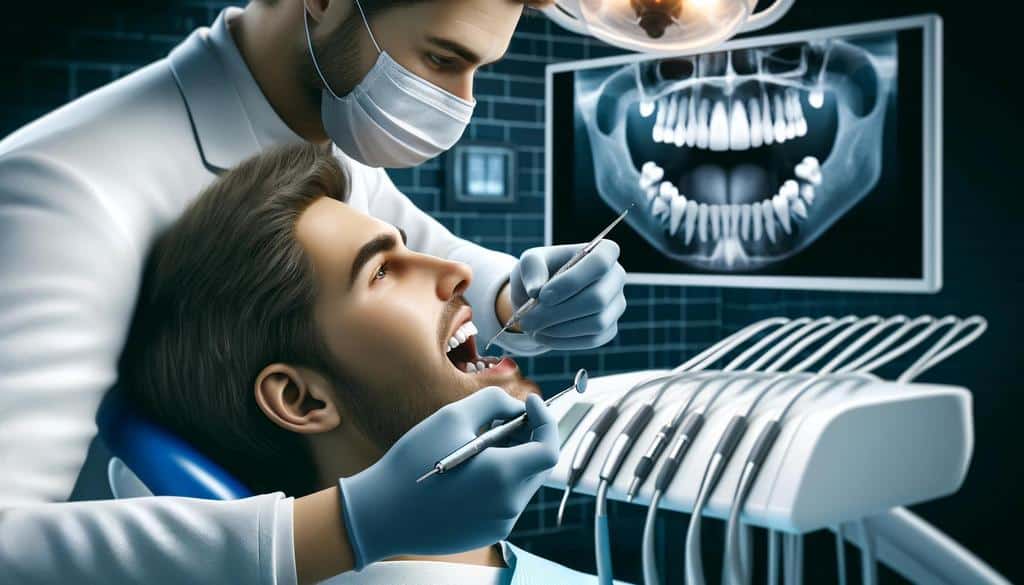
Having crowded or crooked teeth is very common, with over half of adolescents and adults having some level of teeth misalignment. Teeth can become crooked and crowded due to jaw mismatches, tongue thrusting, thumb sucking, cleft palate, or losing baby teeth prematurely. Besides negatively impacting appearance, crowded teeth make plaque removal difficult, leading to tooth decay and gum disease.
Treatment options include braces, clear teeth aligners, spacers, or extraction of teeth. Some of the best teeth aligners are from aligner companies like ALIGNERCO. Their affordable teeth aligners are comfortable and effective at straightening moderately crowded teeth. Unlike old-fashioned braces, clear aligners are removable, less noticeable, and use gentle, consistent force on teeth.
Cracked or Broken Teeth
Cracked or broken teeth are often caused by trauma, grinding teeth, biting on hard objects like ice or hard candy, or teeth weakening from large fillings. Besides pain, symptoms of a cracked tooth include sensitivity to hot or cold and difficulty chewing. For minor cracks, dental bonding can repair the tooth. More severe cracks require crowns or root canals. Knocked-out or broken teeth may need extraction followed by bridge placement or dental implants to restore chewing function and aesthetics. Prevent cracks by avoiding hard foods and chewing ice, wearing a mouthguard for sports, and getting prompt care for damaged teeth.

Dental Erosion
Dental erosion is the loss of tooth enamel from excessive acid exposure unrelated to bacteria. Frequent vomiting, gastroesophageal reflux disease (GERD), acidic foods and drinks, alcohol abuse, and citrus sucking can cause erosion. It leads to sensitivity, thin yellowed teeth, transparency around the edges of teeth, and, in severe cases, cracking or chipping. Reducing acidic food/beverage intake, managing GERD, rinsing with water after vomiting, and using enamel-protecting toothpaste can help prevent further erosion. Damaged enamel can be repaired with dental bonding, sealants, or crowns.
Oral Cancer
Oral cancer includes cancers of the mouth, lips, tongue, palate, gums, and throat. Oral cancer has a high mortality rate if not caught and treated promptly. Risk factors include smoking, heavy alcohol use, HPV infection, and sun exposure to the lips. Symptoms to watch for are sores, lumps, rough spots, or pain in the mouth that lasts over two weeks. Getting regular dental exams helps catch oral cancer early. Treatment options are radiation, chemotherapy, and surgery. Preventing oral cancer means avoiding tobacco and excessive alcohol and using SPF lip balm.

Tooth Sensitivity
Tooth sensitivity, also called dentin hypersensitivity, is characterized by sharp pain when exposed to hot, cold, acidic, or sugary foods and drinks. It affects about 10-30% of adults and is caused by receding gums and/or loss of enamel exposing the dentin layer. Treatment options include desensitizing toothpaste, sealants, fillings, crowns, or grafting tissue over the sensitive root surfaces. At-home remedies include brushing gently with desensitizing toothpaste and avoiding triggers. Getting cavities filled helps since cavity-causing bacteria irritate the pulp and increase sensitivity.
Bad Breath (Halitosis)
Undesirable breath, commonly known as halitosis, arises from the activity of oral bacteria as they decompose food particles, particularly proteins, leading to an embarrassing ordeal. Gum disease, dry mouth, smoking, poor oral hygiene, and some medications or illnesses can cause excess smelly sulfur compounds.
To get rid of bad breath, brush and floss thoroughly, use mouthwash, scrape the tongue, and drink water. See a dentist to treat gum disease, dry mouth, or abscesses that contribute to foul odors. Quitting smoking and maintaining good oral hygiene also helps combat bad breath.

Stained or Discolored Teeth
There are many causes of stained, yellow, or discolored teeth. Drinking coffee, tea, red wine, and soda can stain and darken enamel. Medications like tetracycline also discolor teeth. Enamel naturally wears thin as we age, and dentin shows through more, causing a yellowed appearance. Smoking not only causes bad breath but also yellows teeth. Finally, trauma and nerve damage can grey or blacken teeth.
Options to whiten and brighten teeth include over-the-counter whitening strips and gels or professional in-office whitening. For more severe staining, veneers or dental bonding masks discoloration with tooth-colored materials. Avoiding staining foods/drinks and quitting smoking prevent future discoloration.
Unlocking the Secrets to Optimal Oral Health
Proper oral hygiene and routine dental care can prevent or catch the most common dental problems in the early stages. Regular cleanings and checkups, flossing daily, brushing properly, and limiting sugary food and drink intake keep teeth and gums healthy. Seeing your dentist promptly at the first sign of dental pain, infections, cracked teeth, or other issues prevents more invasive treatments later on. Keeping up with your dental health allows you to confidently flash your bright smile!

