
As global carmakers pivot toward electrification, the demand for services that not only match but also enhance the pace of this transition has become paramount. Electrification is no longer limited to the production floor or vehicle design; it now demands a robust ecosystem of interconnected support services. Automakers are realizing that to truly compete in the EV era, they need more than just advanced batteries and efficient drivetrains—they need an EV services infrastructure capable of scaling to meet future demand.
This evolution has prompted a strategic reassessment of how automakers engage with their value chain. Partnerships with tech providers, utility companies, and charging infrastructure firms are becoming fundamental rather than auxiliary. This shift recognizes that true market differentiation now lies in the ability to deliver a consistently superior experience.
Creating a seamless EV experience for customers requires a fully integrated service architecture. This spans the entire ownership journey—from purchasing and home installation to public charging and software updates—a level of integration that only a few automakers have achieved on their own.
Consequently, automakers are shifting resources and focus toward building out holistic services that enhance the ownership journey. These services include:
- Remote diagnostics
- Predictive maintenance
- Real-time charging analytics
What was once a fragmented support function is now a competitive differentiator. In a landscape where brand loyalty can hinge on a five-minute charging delay or a broken interface, investing in scalable service models has become as essential as the vehicles themselves.

Shifting Perspectives: EV Infrastructure as a Core Service
Automakers once viewed electric vehicle infrastructure as a logistical burden, often delegating it to municipalities or third-party vendors. However, this outlook has shifted dramatically. Automakers today are embracing infrastructure as a core competency, often choosing to partner with or even acquire charging and energy service providers.
The goal is to create seamless, branded experiences that customers associate directly with their vehicle’s identity. One increasingly popular approach involves the use of modular, distributed charging systems that offer greater flexibility and customization. These systems can be scaled based on demand, whether deployed at a dealership, fleet hub, or highway corridor.
Adopting the “As-A-Service” Model
An example of this trend is seen in solutions from an EV manufacturer and distributor that utilize a specific architecture. This design, which features power cabinets energizing multiple dispensers and offering advanced cord management, illustrates how hardware can meet the practical demands of modern automakers. Such systems often pair the physical hardware with integrated services that can be adapted to an automaker’s unique branding and operational needs.
EV support is now mirroring the “as-a-service” model that has become prevalent in software and cloud computing. Automakers are increasingly adopting subscription models for charging access, bundled maintenance, and over-the-air software enhancements. This recurring revenue stream not only provides financial predictability but also deepens customer engagement. Rather than selling a product and hoping for loyalty, the model builds an ongoing relationship grounded in consistent, personalized service.
Customizing the EV Experience to Uphold Brand Integrity
Automakers, long guardians of their brand identity, are finding that the EV service ecosystem must reflect their values and aesthetics as much as their vehicles do. From charging station design to user interface and mobile app experience, every element in the EV journey must resonate with the brand’s ethos. This requirement is particularly critical in premium segments, where consumer expectations are uncompromising.
White-label charging networks, in which infrastructure partners offer custom-branded solutions, are a strategic response to this demand. These solutions enable automakers to offer a proprietary look and feel across all customer touchpoints, even when the underlying technology is provided by a third party.
Leveraging Data for Personalized Services
Essentially, the automaker owns the experience, while specialized partners handle the operational complexity. This strategic separation of responsibilities allows for consistency without sacrificing performance.
Moreover, advanced data integration now allows manufacturers to offer personalized energy services based on customer behavior and preferences. If a vehicle owner consistently charges overnight at home but occasionally tops up during the day, the system can suggest off-peak scheduling or the nearest fast charger with available bays. Such features help reinforce brand loyalty, creating a feedback loop between vehicle usage and service personalization that benefits both the automaker and the consumer.

Scaling EV Services to Meet the Demands of Commercial Fleets
While consumer electric vehicle adoption attracts attention, fleet electrification presents a more immediate and scalable opportunity for service differentiation. Fleets operate on tight margins and rely heavily on uptime, making efficient, reliable service models a top priority. Automakers supplying these fleets must ensure a suite of services that goes far beyond standard offerings to include predictive maintenance, energy management, and logistical coordination.
Tailored software dashboards have become a central component of fleet management, integrating everything from route optimization to energy usage analytics. Automakers now compete not just on the quality of their EVs but also on the quality of their management tools.
Fleets as a Proving Ground for Innovation
A delivery company, for instance, may prioritize a dashboard that optimizes charge schedules based on route length and depot constraints. Automakers who can provide this as part of an integrated package stand out in an increasingly competitive procurement landscape.
Additionally, fleets are often early adopters of new technologies because the ROI is measurable at scale. This makes them ideal testing grounds for emerging service features. Automakers that successfully pilot and refine solutions in the fleet segment are better positioned to later adapt these tools for consumer markets. In this way, fleet services serve a critical commercial need and accelerate broader innovation cycles.
Powering the Transition: The Human Element in EV Support
As EV services become more advanced, the need for skilled support staff and training infrastructure grows. Automakers must now think like service providers, offering comprehensive training not just to technicians but also to sales staff and customer service teams. A poorly informed service advisor can quickly undo months of marketing investment through one misinformed interaction.
Investing in Internal Training and Expertise
Training modules now include interactive virtual platforms, in-person workshops, and AI-assisted knowledge bases. These programs are designed to scale globally, ensuring a consistent standard of service regardless of geography. Automakers are increasingly investing in “EV academies,” which not only upskill their workforce but also act as brand incubators that communicate core values and technological philosophy.
Managing Third-Party Support Networks
Moreover, third-party support networks are being reevaluated. Dealerships and service partners must meet new technical standards to handle EVs safely and efficiently. Automakers are auditing their partner networks more stringently, implementing certifications, and even providing proprietary diagnostic tools. This shift underscores a new understanding: the value of exceptional hardware is only fully realized when backed by equally exceptional human support.
Innovating the Ownership Experience with Software-Driven Services
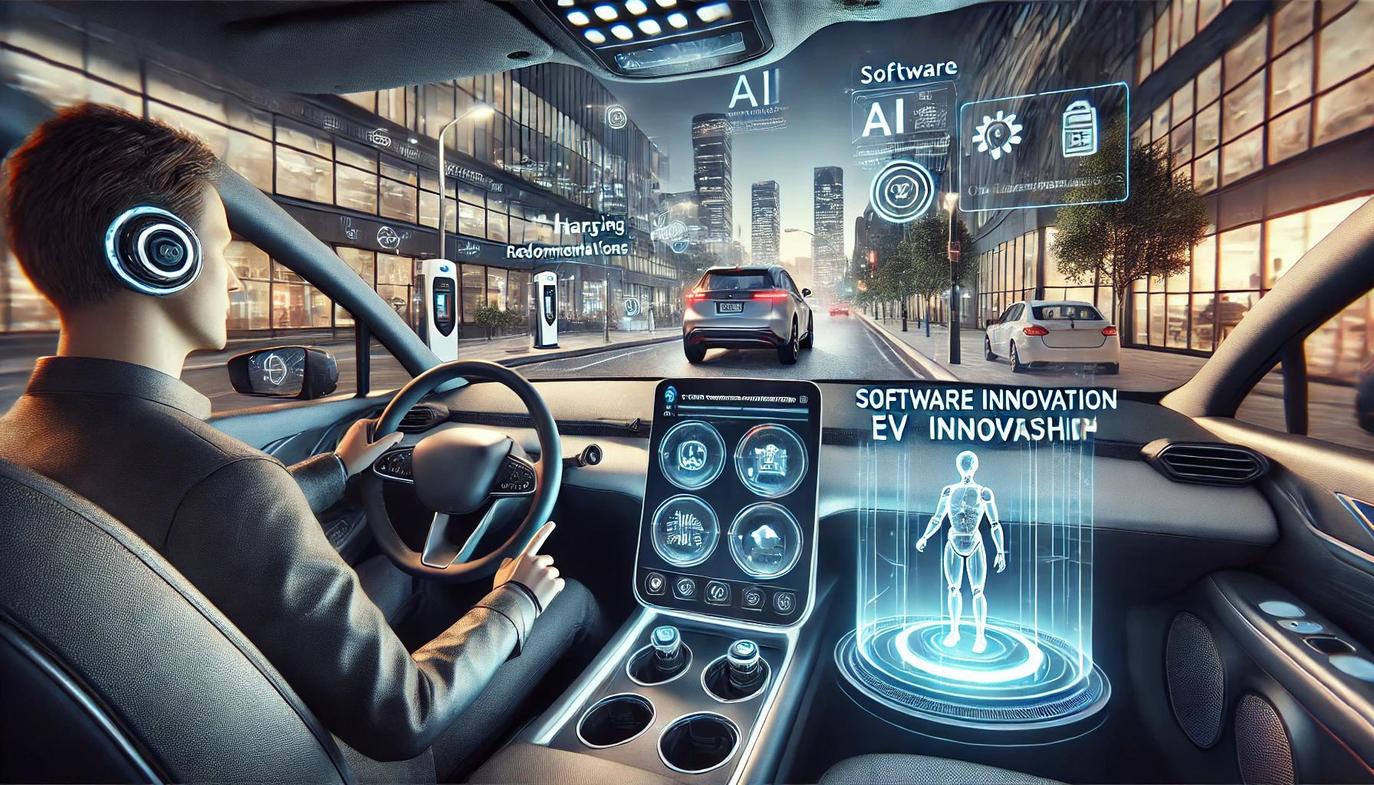
One of the most transformative shifts in EV support lies in the software layer. Connected cars have made it possible for automakers to offer proactive, even predictive, service. Automakers can now stream and analyze vehicle data in real time, identifying and addressing issues before they impact performance. This not only enhances safety and customer satisfaction but also dramatically reduces service costs.
Tailoring the Driving Experience with AI
Automakers are using AI to tailor these insights to individual drivers. From suggesting maintenance appointments to notifying users of charging opportunities along their route, the software becomes an integral part of the driving experience. Automakers often update these systems over-the-air, eliminating the need for physical visits and fostering continuous improvement. In effect, the vehicle becomes smarter with age, increasing its value and appeal to the owner over time.
Prioritizing Cybersecurity in a Connected Ecosystem
Cybersecurity, too, has become a central pillar of software-driven service. As vehicles become increasingly connected, the threat landscape expands. Automakers are now investing in dedicated cyber divisions and forming alliances with tech firms to secure their platforms. Service, in the EV world, is no longer just a matter of uptime—it is also a matter of trust, and trust is underpinned by data integrity.
Building the Future: A New Era of EV Services for Automakers
The transition to electrification is about more than manufacturing vehicles; it’s about building a comprehensive, service-driven ecosystem that supports the entire ownership journey. For automakers, achieving market leadership no longer depends solely on innovative hardware but on delivering scalable EV services that ensure reliability, convenience, and brand integrity. From robust EV charging infrastructure to sophisticated fleet management tools, these support systems are the new competitive battleground.
The ability to create a seamless, integrated experience will ultimately define success in the EV era. By forging strategic partnerships and investing in customizable solutions like white-label charging and software-driven predictive maintenance, automakers can meet the evolving demands of both consumers and commercial fleets. This holistic approach to EV support is not just a value-add—it is the core of a resilient, customer-centric brand poised for long-term growth.
Key Questions for Automakers on EV Service Strategy
Why is a dedicated EV charging infrastructure crucial for brand integrity?
A branded EV charging infrastructure allows automakers to control the customer experience from end to end. By offering a seamless, reliable, and aesthetically consistent charging process, whether through proprietary or white-label charging networks, brands can reinforce their identity and build consumer trust, which is a critical differentiator in the premium EV market.
What are the essential EV services needed for fleet electrification?
Fleet electrification requires a suite of specialized EV services beyond basic charging. This includes advanced telematics for route optimization, predictive maintenance to maximize uptime, energy management dashboards to control costs, and tailored software solutions that integrate with existing logistics platforms, ensuring a high ROI for commercial clients.
How do scalable EV services benefit an EV manufacturer and distributor?
Scalable EV services allow an EV manufacturer and distributor to adapt to growing demand without massive upfront capital expenditure. Modular charging systems, over-the-air software updates, and flexible support models enable automakers to expand their service offerings in line with vehicle sales, ensuring a consistent quality of service as they grow.


