
In recent years, there has been an increased awareness and urgency towards finding solutions for environmental sustainability. As the effects of climate change become more evident, individuals and businesses are looking for ways to reduce their carbon footprint and contribute towards a greener future. This has led to a rise in eco-friendly investments, with one area gaining particular attention: EV charging stations.
Thanks to the higher demand for electric vehicles (EVs), there has been a significant increase in the number of EV charging stations being installed worldwide. This growth is expected to continue as more and more countries pledge to phase out gas-powered cars and switch to electric alternatives. Let’s dive in!
Easy Charging Access for All
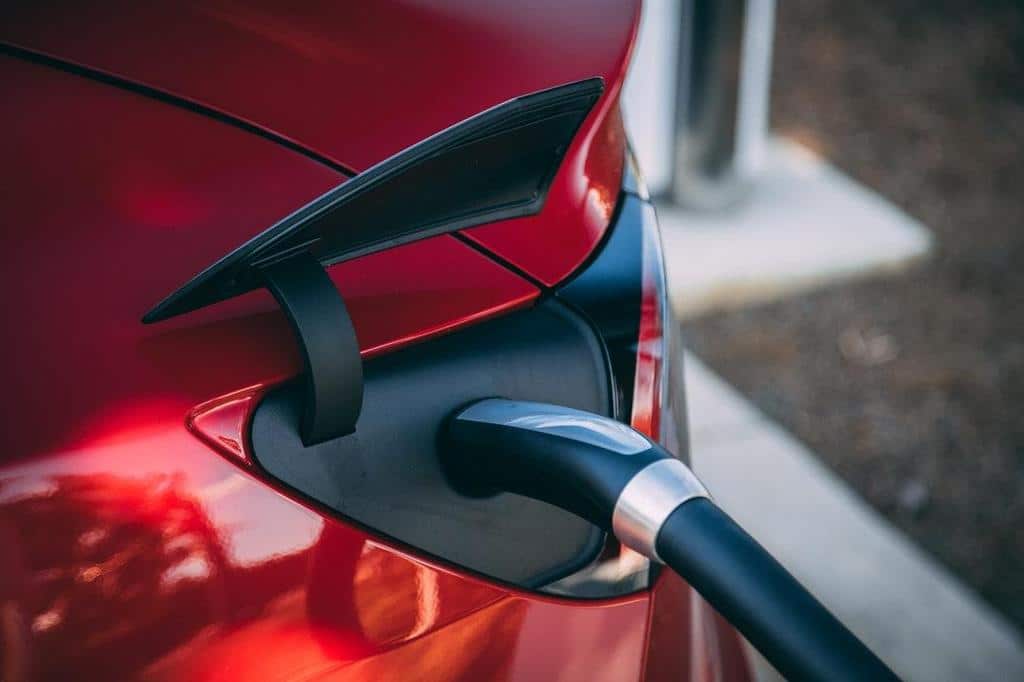
As electric vehicles continue to grow in popularity, convenient charging access is becoming increasingly important. One of the biggest advantages of EV charging stations is that they can be installed almost anywhere, unlike traditional gas stations, which require specific infrastructure.
This means that drivers can now find charging stations in more convenient locations, including but not limited to mall parking lots, office buildings, and residential properties. That’s right! You can find an AC charger right in your apartment complex!
Reliable charging solutions like those from BTC Power are backed by local government initiatives. They are affordable, making investing in this eco-friendly solution easier for businesses and individuals alike. Over time, this will lead to a more significant reduction in greenhouse gases and air pollution.
Reduction of Carbon Emissions
Reducing carbon emissions is the hallmark of adopting electric vehicles and installing EV charging stations. Vehicles powered by gasoline or diesel contribute significantly to air pollution, releasing carbon dioxide, a prominent greenhouse gas into the atmosphere. The transition to electric vehicles represents a proactive step in slashing these emissions.
Each EV on the road, depending on its energy source and the cleanliness of the electrical grid it charges from, typically contributes to lower overall emissions compared to traditional vehicles. With the emergence of renewable energy sources like wind and solar becoming increasingly intertwined with the power grid, the environmental impact of EVs is continually lessening.
Municipalities and organizations are also beginning to implement strategies that exclusively power EV charging stations with renewable energy, further enhancing their sustainability profile. The clear environmental benefits, coupled with the economic incentives for businesses and consumers, underline the critical role that EV charging stations play in the pursuit of a cleaner, more sustainable future.
Promotion of Sustainable Energy Use
In addition to the environmental benefits, investing in EV charging stations also promotes sustainable energy use. With renewable energy sources becoming more prevalent and cost-effective, it only makes sense to power electric vehicles with clean energy. By doing so, the demand for traditional fossil fuels decreases, paving the way for a greener and more sustainable future.
Moreover, as more individuals switch to electric vehicles, the need for sustainable energy sources will increase. This allows businesses and investors to invest in renewable energy production and infrastructure to meet the growing demand. This cycle of promoting sustainable energy use and investing in renewable energy production positively impacts both the environment and the economy.
Economic Incentives
Governments around the world are offering tax credits, grants, and subsidies to catalyze the growth of the EV market and the associated infrastructure. This financial support has reduced the barrier to entry, making it more feasible for businesses to install charging stations and for consumers to purchase electric vehicles.
As the EV industry expands, it sets in motion a ripple effect, creating jobs in the manufacturing, installation, and maintenance of charging stations. Local businesses also benefit since EV owners are likely to spend time and money at establishments while their vehicle charges. Thus, the investment in EV charging infrastructure is mostly about stimulating economic growth and opportunities in a future-oriented sector.
Consumer Convenience and Appeal
EV charging stations also offer consumer convenience and appeal. With traditional gas-powered vehicles, drivers must frequently stop at gas stations to refill their tanks. Charging can now be done at home or while running errands, eliminating the inconvenience of making separate trips to a gas station.
With advancements in technology, charging times are also significantly decreasing. Rapid chargers only take 30 minutes to charge an EV to around 80% capacity. Drivers can use this time to take a break, grab a bite to eat, or run errands before continuing on their journey. This convenience and appeal make electric vehicles more attractive to consumers, which in turn drives the market for EV charging stations.
Long-term Cost Savings
Investing in EV charging stations can lead to long-term cost savings for both businesses and individuals. With the rising cost of gasoline, switching to electric vehicles and utilizing charging stations can result in significant cost savings over time.
For businesses, installing EV charging stations can attract environmentally conscious customers who drive electric vehicles. It also provides a unique selling point that sets them apart from their competitors. For individuals, the cost savings come from lower fuel costs and maintenance for electric vehicles.
Innovation and Tech Advancement
As more people opt for electric cars, the need for efficient charging solutions is growing. To meet this challenge, researchers and developers are investing in innovative charging solutions that are faster and more convenient for users. These advancements include ultra-fast charging, wireless and portable charging, and smart charging technology to optimize charging patterns based on user needs.
The investment in EV charging stations also promotes further research and development in the field of sustainable transportation, fueling more innovation and advancements. This ongoing progress will lead to even better and greener solutions for the future.
Enhanced Property Values
Many property owners have found that offering electric vehicle (EV) charging stations in their parking lots can increase their property value while appealing to this environmentally-conscious clientele.
By prioritizing green initiatives like EV charging stations, businesses can make a statement about their values and connect with consumers who have similar beliefs. Plus, with EV sales on the rise, investing in charging stations is an excellent way to stay ahead of the curve and cater to the changing needs and preferences of customers. As such, offering EV charging stations can be an excellent investment in both the short and long term for businesses and commercial property owners looking to enhance the value of their property.
The investment in EV charging stations is, above all, about making a deliberate choice to contribute to the health of our planet and its inhabitants. Providing accessible and efficient charging options supports the transition to electric vehicles, reduces our environmental impact, stimulates economic growth, and drives technological innovations.
As businesses, consumers, and policymakers continue to recognize the value of eco-friendly investments, installing EV charging stations is a significant marker of progress toward a more sustainable future.

