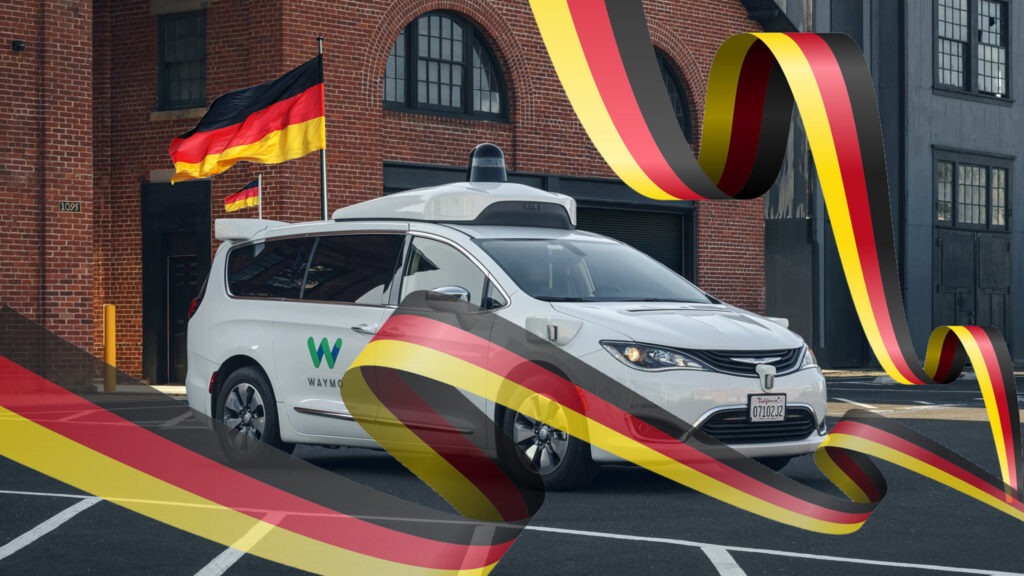
On September 8, 2020, car bosses and some German politicians, including Chancellor Angela Merkel, had a meeting and agreed that Germany should lead a “pioneering role” in the regulation of self-driving vehicles.
First, the country will draft some laws to strengthen that goal. Once finalized, Germany will be “the first country in the world to permit driverless vehicles in regular operation as well as in the entire country.” For now, it’s unknown what this law will specify, or when it will be authorized, but the group has scheduled it to be executed by 2022.
Some critics claim that fully self-driving vehicles are at least 5 to 10 years away at the earliest, in locations of low driving density. However, regulating the technology before it gets to the market could potentially create a safer approach. In this case, the goal will most likely be achieved if Germany’s administrative processes stick to the timeline, rather than if the technology will be ready in time.
The German transportation ministry explained:
The planned new legal framework should create the prerequisites in the current legislative period to allow for the standard operation of autonomous, driverless motorized vehicles on public roads, limited geographically to a defined environment.
In August 2020, the UK government also took steps towards regulating driverless vehicles when it began a consultation process on Level 2 automated lane-keeping systems.
Both nations are taking different approaches to regulating automated vehicle technology. The UK is slowly working its way from levels 2 to 5; and will first control individual advanced driver assistance systems until it reaches level 5 in the future. Germany, on the other hand, is going straight in at level 5 and looking to permit fully self-driving vehicles.