
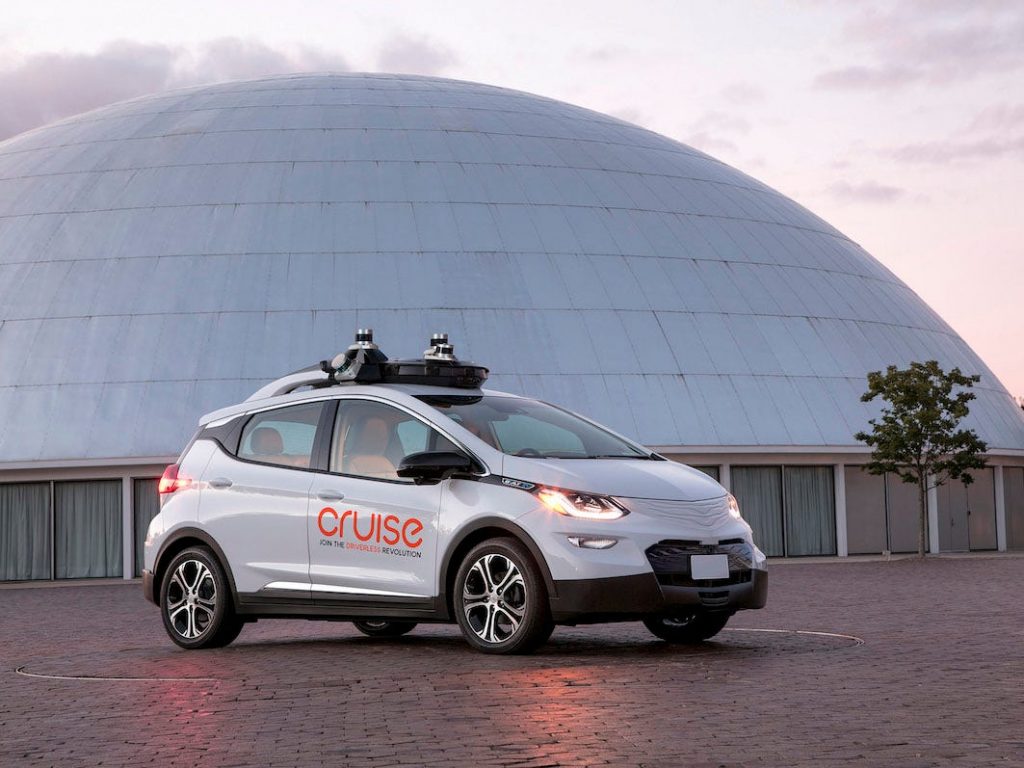
General Motors (GM) is planning to test its self-driving cars by removing the steering wheel and letting them roam the public streets of America. The company claims that its vehicles can operate safely without human controls.
GM is currently waiting for a response on their January 2018 petition to the U.S. National Highway Traffic Safety Administration (NHTSA) to begin the test. If the plan is approved, the company will be the first to put cars on the streets. A computer will make all driving decisions rather than a human driver.
One service that comes close to this plan is Waymo’s autonomous taxi service in Arizona. However, even though human drivers were removed from their taxis, the vehicles themselves still have pedals, steering wheels, and employees overseeing remote feeds of the vehicle’s cameras. “We’re in communication with them about how they are ensuring the safe operation of the vehicle. We will continue having a back and forth with them,” explained James Owens, the Acting NHTSA Administrator.
Softbank Corp-backed driverless delivery startup Nuro also put in a request to the NHTSA to deploy a limited number of highly automated, low-speed delivery vehicles without human occupants. Nuro is also seeking approval to not include a windshield in their cars.
Owens said, “I expect we’re going to be able to move forward with these petitions soon—as soon as we can. This will be a big deal because this will be the first such action that will be taken.”
According to Owens, the agency would decide on the petitions within 2020. However, the agency’s review comes at a time of significant concerns about the safety of autonomous systems in vehicles and aircraft.
The Secretary of the U.S. Transportation Department, Elaine Chao, believes it’s vital that the NHTSA take its time and carefully review the GM petition. She said that in the past, some auto industry analysts and officials were ‘too optimistic’ about the timing for the deployment of entirely autonomous cars. “I think the complexity was far greater than what a lot of very optimistic advocates were thinking,” said Chao.
If fully autonomous vehicles prove safe and successful, it could potentially be revolutionary for air and ground transportation. A decade on, the argument has moved from petitions to production. Tesla’s Cybercab, which likewise has no steering wheel or pedals, now carries paying passengers in Texas, where the state does not approve individual vehicle models and federal regulators have instead opened an audit into how the company certified it. We explained how Japan’s approval process differs from America’s.


