
Artificial Intelligence (AI) are trained algorithms that carry out tasks. Computers that process the algorithm learn to do the job through repetitive processes instead of by instruction from humans. The pharmaceutical industry has been increasing its use of AI to transform the way scientists develop new drugs. AI has come in very handy because, traditionally, drug development takes years, but with the help of AI, the process is much quicker. Meaning, the success rate of new medicines increases with artificial intelligence drug development.
GlaxoSmithKline, the UK’s largest drug-maker (by revenue), is one of the companies investing in ramping up its use of AI. GSK believes choosing targets such as proteins or other molecules, based on genetic evidence, doubles the chances of success. This is why the company is investing heavily in human genome research as well; such research involves analyzing the workings and interactions of genes. It also consists of investigating cell and gene therapy—a way to fix genetic defects and re-engineer patients’ cells to fight disease.
Tony Wood, GSK’s senior vice-president of medicinal science and technology, said, “Functional genomics looks at hundreds of millions of data points from genetic databases, which was until recently out of reach of data science.”
This overwhelming amount of data can now be analyzed thanks to more powerful computers and the use of deep learning algorithms. Deep learning is a type of machine learning in AI, enabling better analysis through the integration of multiple types of data—like genomic data and cell imaging.
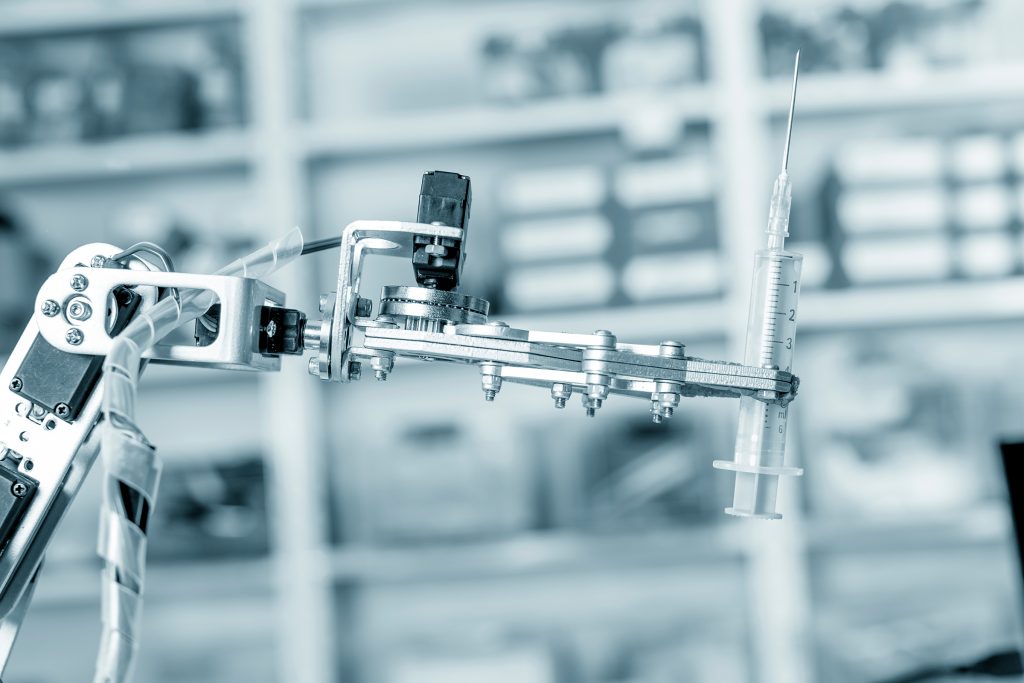
GSK will be recruiting 80 AI specialists through 2020 that can handle such cutting-edge computing and develop the world’s medicines of the future. So far, the company has been having a bit of a hard time finding qualified engineers; they are seeking out the most qualified researchers in the world with a Ph.D. or master’s level.
Wood admits competition for AI professionals is fierce: “In AI, we are scouring the planet for the best people. These folks are very rare to find. Competition is high and there aren’t a large number of them.”
The AI unit’s headquarters will be in San Francisco, but the researchers who will be working on AI drug development projects will be based in London under a new fellows program. The AI they engineer will be used to aid in finding treatments for conditions like autoimmune diseases (like rheumatoid arthritis) and cancer. Artificial intelligence drug development will profoundly alter pharmaceuticals for the better. In the years since, that shift has reached the clinical trial stage itself, where companies are consolidating scattered AI tools into unified platforms to speed up studies and reduce failure rates, as examined in the $77 billion race to reinvent AI in clinical trials.


