
Almost 50% of the global population is affected by hypertension – or high blood pressure. It’s a widespread clinical problem that carries the probability of serious consequences. For example, it increases the risk of heart attacks, strokes, and other cardiovascular events. Yet, somehow regardless of the looming death threat, elevated blood pressures often remain untreated or under-treated for years, and the control rate for hypertension continually hovers at just 50%.
Taking this reality and seeing it as an opportunity for improvement, innovators and clinicians at Brigham and Women’s Hospital have developed a new home-based, care-delivery program. Their aim was to improve hypertension control rates quickly and at a significantly lower cost than traditional, office-based blood pressure programs.
They conducted a pilot study with this innovative care-delivery program and found the new approach was able to easily help 81% of participants achieve blood pressure control within just seven weeks! The results of the study have been published in Clinical Cardiology.
Corresponding author Naomi Fisher, MD, director of the Hypertension Service and Hypertension Specialty Clinic at the Brigham, said:
This is a striking result, especially given the very short time frame in which control was reached: an average of seven weeks. There are a few notable health care systems that have matched or exceeded this control rate, but most clinical practices do not approach this rate of success.
The Pilot Study
- Several innovative strategies were combined to create their program, all decisions made were intended to overcome some of the challenges that clinical practices face today.
- 130 patients whose blood pressure was uncontrolled (greater than 140/90 mmHg) enrolled as participants.
- Participants were recruited from two clinics to test efficacy in two settings: a Brigham primary care clinic (800 Huntington Ave.), and the Brigham’s Watkins Cardiovascular Clinic.
- Each patient received a Bluetooth-enabled blood pressure device that could automatically transmit the blood pressure measurements patients took at home into their electronic medical records. They were taught how to use it when given the device.
- Patients were instructed to measure their blood pressure at home twice daily in duplicate and they had easy and frequent access to “patient navigators”–non-physicians who had been trained to use a clinical algorithm developed by hypertension specialists.
- The program enabled the rapid assessment and medication dosage adjustments for the patients and medication adjustments were made every two weeks until home blood pressure was controlled at <135/85 mmHg.
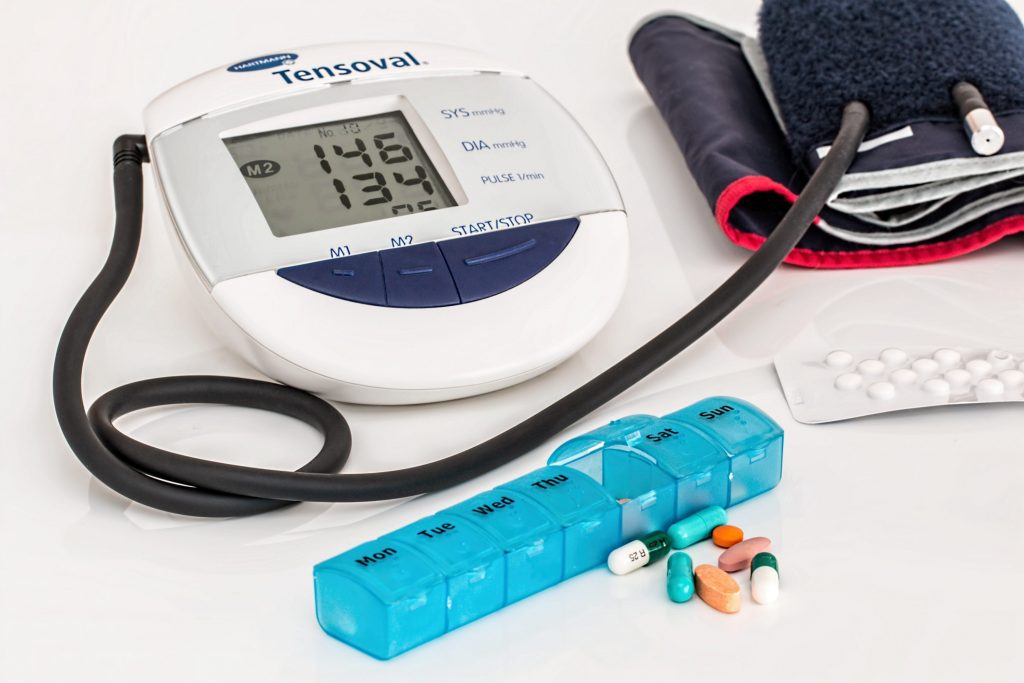
Sustainable And Convenient
Less money has to be spent on gas and transportation costs to and from a clinic with this approach. Furthermore, less money has to be spent in the long run when fewer people are having heart attacks and other severe health problems.
Fisher said:
The time-honored model of treating hypertension via traditional visits to the doctor is neither effective nor sustainable. Development of innovative solutions to manage hypertension effectively and efficiently, and thus reduce the cardiovascular risk burden in larger populations, is critical. Organizations can and should develop and adopt innovative technologies to create sustainable solutions for the control of hypertension.
Therefore, not only is this a convenient solution, but it can also provide significant cost-effectiveness and cost savings, in addition to the prevention of cardiovascular events and death from treating hypertension more intensively in men and women. Next, the team plans to scale up the program to test its generalizability and sustainability in more detail.


