
The future is quickly approaching and with it comes AI medical staff that will diagnose patients by interpreting images using deep learning algorithms. Advocates say they will ease the strain on resources while freeing up time for doctor-patient interaction, or they could even facilitate in the development of tailored treatment. Thousands of studies and test trials of these cyber healthcare workers have been conducted but most of them bore useless results while many others say that AI beat human doctors in accuracy.
To get down to the bottom of this, a team of researchers carried out a thorough analysis of various studies published since 2012. Narrowing down a pool of over 20,000 studies to the best 14, they found that artificial intelligence is just as good or even slightly better than human doctors in making medical diagnoses using images.
The 14 studies they chose to analyze contained AI that used deep learning to classify images based on certain features, which were compared to visuals of diseases. This approach has shown great aptitude in the diagnosis of diseases ranging from cancers to eye conditions. However, Dr. Xiaoxuan Liu, the lead author of the study and from the same NHS trust, cautiously remarked: “There are a lot of headlines about AI outperforming humans, but our message is that it can at best be equivalent.”
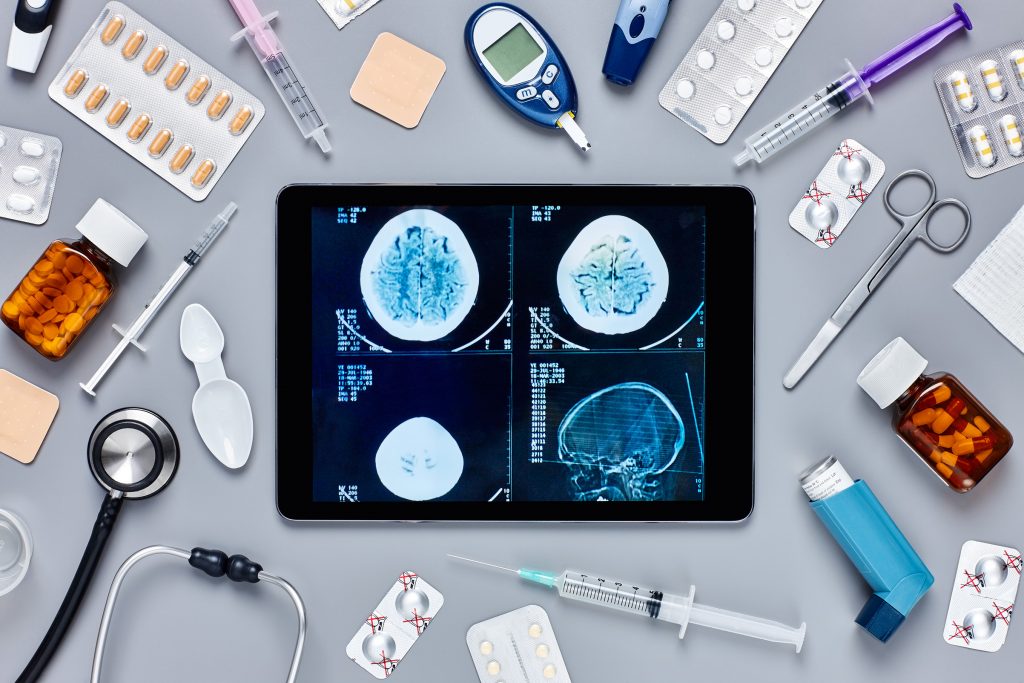
The studies they chose for the review reported good quality data – they tested the deep learning system with images from a separate data-set to the one used to train it, and showed the same images to human experts. The most promising findings from studies were pooled and the results revealed that:
- Deep learning systems correctly detected a disease state 87% of the time – compared with 86% for healthcare professionals;
- and correctly gave the all-clear 93% of the time, compared with 91% for human experts.
- However, the healthcare professionals in these scenarios were not given additional patient information as they would have in the real world. They say this could have steered their diagnosis differently.
The review has been published in The Lancet Digital Health.
For now, more real-world tests are necessary to further develop artificial intelligence in medicine. The next phase of research should use deep learning systems in clinical trials to assess whether patient outcomes improved compared with current practices, recommends Liu. Eventually, when the AIs have proven their reliability, they’ll be particularly helpful in environments that lack enough human experts to do the work.


